


Red Sea’s Shadow Extends: Somali Piracy’s Audacious Return Jolts Global Shipping Lanes Anew
POLICY WIRE — London, UK — The ghosts of maritime peril, long thought exorcised from the Horn of Africa, are proving stubbornly corporeal. No longer content with merely menacing the turbulent Red...

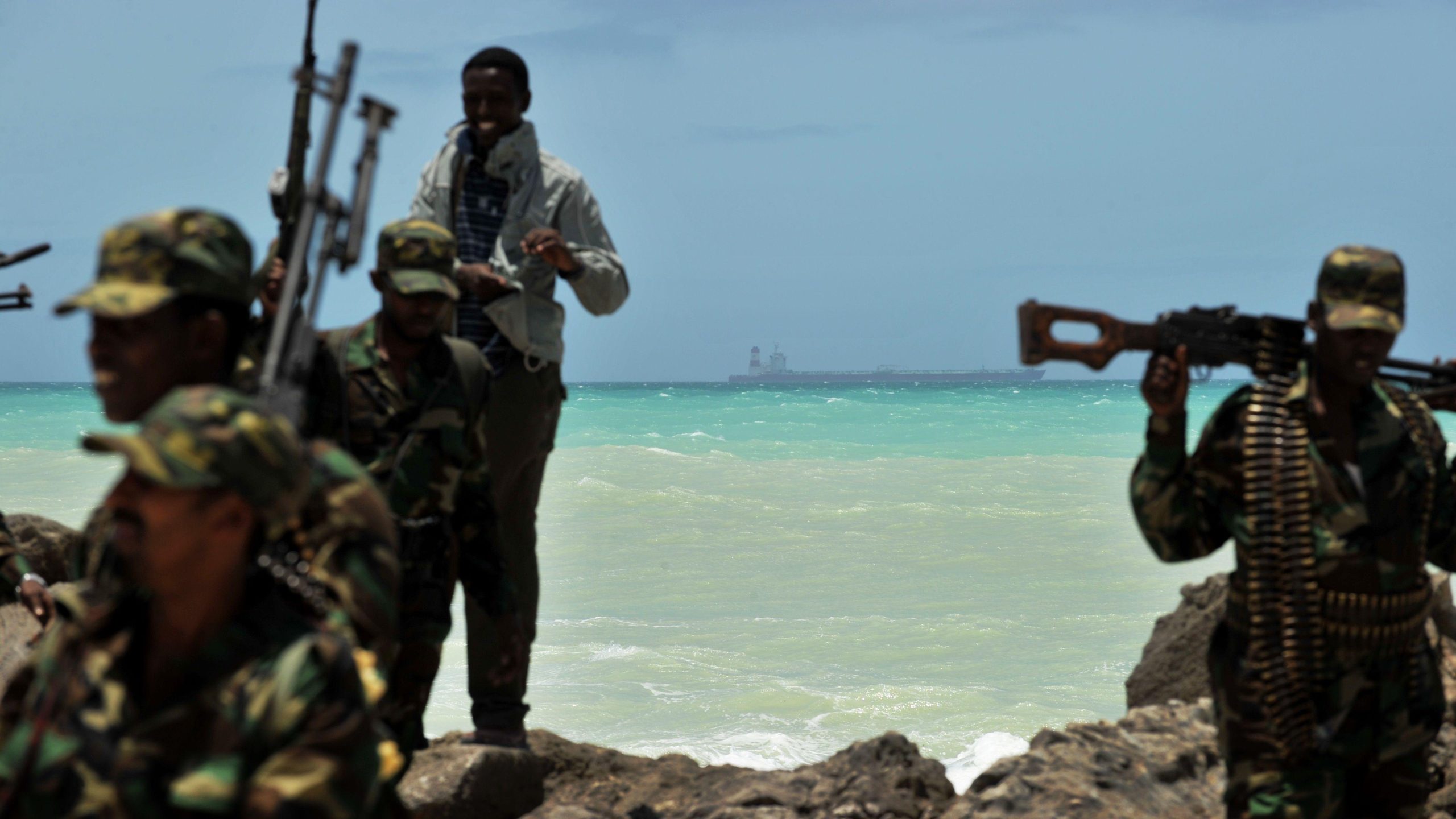
POLICY WIRE — London, UK — The ghosts of maritime peril, long thought exorcised from the Horn of Africa, are proving stubbornly corporeal. No longer content with merely menacing the turbulent Red Sea, they’ve now cast a longer, unsettling shadow deep into the Gulf of Aden, with the recent commandeering of yet another commercial vessel off the Somali coast. This isn’t merely an isolated incident; it’s a stark, audacious proclamation: the era of relative calm for international shipping in these historically treacherous waters may well be over.
Behind the headlines of Houthi missile barrages and drone attacks, a more familiar, though equally vexing, menace has been quietly, then not so quietly, rebuilding its operational tempo. Years of concerted international naval patrols had largely suppressed Somali piracy, pushing annual incidents from a peak of 237 in 2011 down to single digits by the mid-2010s, according to the International Maritime Bureau’s Piracy Reporting Centre (IMB PRC). But complacency, it seems, is a luxury the global shipping industry couldn’t afford. This latest seizure — the specifics of the vessel remain under wraps, a testament to the heightened, clandestine threat — signifies a potent, worrisome escalation.
It’s an unnerving confluence of crises, really. The concerted focus on securing the Bab al-Mandab Strait against Yemen-based aggressors has, inadvertently, created a vacuum further south. Naval assets, stretched thin and diverted northward, have left the broader Somali basin less heavily patrolled, providing a lucrative opening for opportunistic brigands. “We’d invested a decade’s worth of international cooperation, local capacity building, and immense financial resources into stamping out this scourge,” shot back Ahmed Hassan, Somalia’s Minister of Ports and Marine Transport, in a terse virtual briefing. “This relapse is a bitter pill, yes, but it’s also a clarion call for renewed, vigorous international engagement, not a retreat.”
Still, the geopolitical calculus has become far more complex since piracy’s zenith. Then, it was largely an isolated criminal enterprise. Today, it operates in the shadow of broader regional destabilization — conflict in Yemen, persistent instability in Somalia itself, and the simmering great-power competition for influence over critical maritime chokepoints. And let’s not forget the environmental degradation, the overfishing by foreign trawlers (often state-subsidized), that continues to erode the livelihoods of coastal communities, pushing desperate young men towards the illusory promise of quick riches on the high seas.
The impact reverberates far beyond the immediate point of capture. For nations like Pakistan, Bangladesh, and India, whose economic lifelines are inextricably tied to secure passage through the Arabian Sea and Gulf of Aden, this resurgence is particularly alarming. Their vessels, carrying vital energy imports — and exporting goods to Europe and beyond, traverse these very waters. Many seafarers working on international merchant fleets also hail from these South Asian nations, placing their lives and livelihoods in immediate jeopardy. It’s a direct hit on their strategic interests — and their citizens.
“Complacency, it seems, is a luxury we simply can’t afford. The high seas remain a wild frontier, and these pirates, they’re agile, they’re brutal,” observed Rear Admiral Eleanor Vance, commanding officer of EU NAVFOR Atalanta, during a recent security summit in Bahrain. Her exasperation was palpable. Vance underscored the immense strain on naval assets that are now attempting to simultaneously counter Houthi attacks, deter Somali pirates, and — in some cases — conduct counter-narcotics operations across a vast, unforgiving expanse of ocean.
At its core, this isn’t just about ransoms; it’s about the erosion of international order. It’s about how local instability, when left unchecked, inevitably metastasizes into a global threat. And what’s particularly galling is that we’ve seen this play out before. The lessons, it seems, were absorbed but not permanently etched into policy directives. Global shipping rates will undoubtedly climb, insurance premiums will spike, and the entire supply chain — already fragile from pandemic-era disruptions and geopolitical realignments — will once again groan under the weight of heightened risk.
But the long-term ramifications are perhaps more insidious. A protracted resurgence risks empowering other non-state actors in unstable littoral regions, creating a blueprint for lucrative illicit activities that directly challenge state sovereignty and international law. We’re witnessing a precarious unraveling, aren’t we?
What This Means
The re-emergence of Somali piracy, alongside the ongoing Red Sea crisis, presents a dual strategic dilemma for global maritime security. Economically, expect a significant upward pressure on shipping costs and insurance premiums, which will inevitably be passed onto consumers. Vessels may increasingly opt for longer, more expensive routes around the Cape of Good Hope, exacerbating transit times and supply chain inefficiencies — particularly impacting the flow of goods and energy to and from South Asia and the Gulf states. For developing nations like Bangladesh, grappling with climate-induced economic vulnerabilities, these added shipping costs represent a tangible blow to their competitive edge and import-export balances.
Politically, this situation stretches an already overcommitted international naval presence to its breaking point. It raises pointed questions about the efficacy and sustainability of current security doctrines, echoing sentiments of crumbling security certainties in other volatile theaters. Regional powers, including Pakistan and India, may feel compelled to increase their own naval deployments, potentially leading to new alliances or, conversely, increased naval friction in an already congested maritime space. The return of piracy also underscores the enduring challenges of state-building in Somalia; without a strong, legitimate central authority capable of securing its vast coastline and providing economic alternatives, the roots of piracy will continue to regenerate, regardless of international intervention. It’s a cyclical, depressing narrative, unfortunately.