


Policy Wire Dispatch: Teasley’s Second Crown – A New Standard for Collegiate Sporting Futures
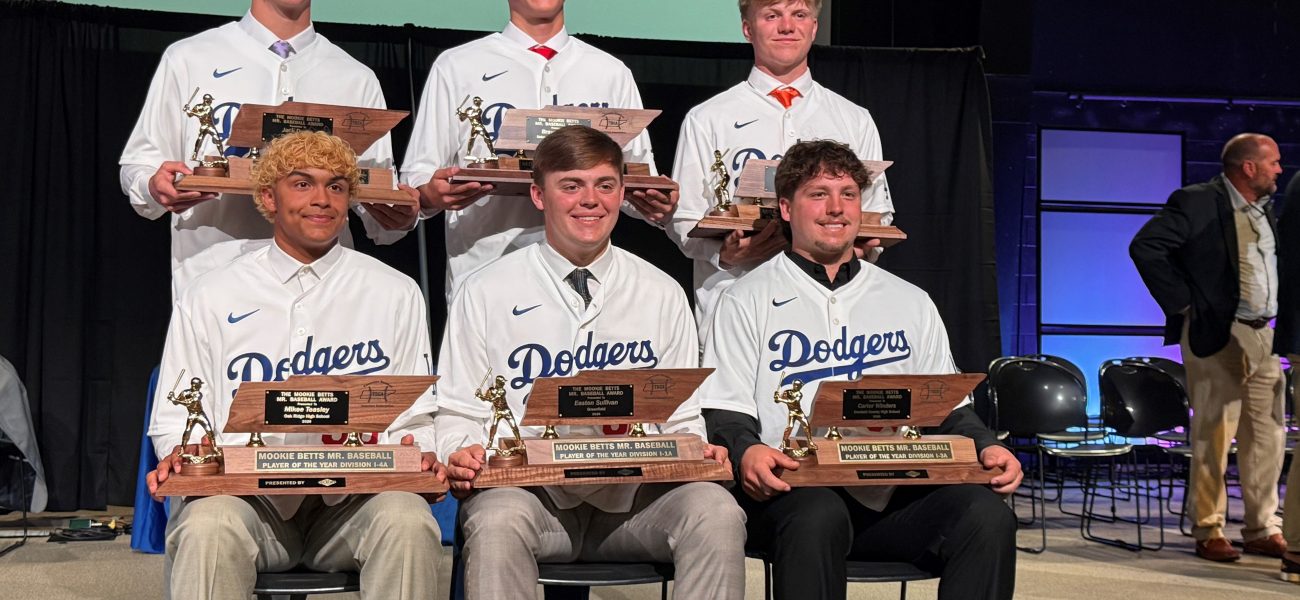
POLICY WIRE — Oak Ridge, TN — The coronation was predictable. Mikee Teasley, fresh out of Oak Ridge High, stood center stage again, clutching his second straight Mr. Baseball award for Class 4A. Not...

POLICY WIRE — Oak Ridge, TN — The coronation was predictable. Mikee Teasley, fresh out of Oak Ridge High, stood center stage again, clutching his second straight Mr. Baseball award for Class 4A. Not exactly a nail-biter, was it? But beneath the veneer of hometown heroism and prodigious talent, there’s a sharper, more intriguing narrative playing out: the professionalization of youth sports and the subtle — yet profound — implications for higher education and local economies.
It’s no longer just about raw skill. It’s about pipeline; about a finely-tuned engine identifying, refining, and then branding adolescent athleticism into a valuable commodity long before the first college pitch is thrown. Teasley isn’t just a high school phenom heading to the University of Tennessee; he’s a highly anticipated asset, pre-ordained by accolades and metrics, entering an increasingly cutthroat collegiate ecosystem where the lines between amateur and professional blur with each lucrative NIL deal.
“It’s more than just about me, it’s about Oak Ridge,” Teasley declared, perhaps already schooled in the delicate art of communal appreciation, even as his individual prowess – a .396 batting average, nine doubles, four homers, 27 RBIs, and 24 stolen bases – speaks volumes louder than any single sentiment. And don’t forget the pitching numbers: 47 innings pitched, a sterling 7-0 record, and an infinitesimal 0.79 ERA, according to official TSSAA records. That’s an athlete who doesn’t just play; he dominates, shaping the field as much with his bat as with his arm. You simply don’t see those stats by accident.
The system, it appears, is working precisely as intended for institutions like the University of Tennessee, which also snagged fellow winner Jack Dugan. Because let’s be frank, these awards aren’t simply pats on the back; they’re marketing collateral. They signal to boosters, to rivals, and to the ever-present churn of young talent that this particular university is where excellence finds its zenith. It’s a message honed to a razor’s edge in the new era of college sports.
“When a talent like Mikee comes along, it’s not just a win for our program; it’s an economic multiplier for the region’s sports narrative,” said Dr. Evelyn Hayes, Director of Athletics at a prominent SEC university, speaking generally on elite athlete recruitment. “He’s setting a new benchmark for what’s possible, inspiring future generations while also bringing a certain cachet, a kind of halo effect, that translates into broader institutional appeal. It’s an investment.”
And investment it’s. We’re witnessing a dynamic that, while distinctly American in its presentation, echoes across continents in different forms. Think of the intense scouting networks in South Asia, where young cricket hopefuls are groomed from an early age in academies from Karachi to Kolkata, often seen as carrying the hopes—and economic prospects—of entire families, even villages. The intensity might vary, but the early identification and cultivation of talent, often with significant pressure and future reward hanging in the balance, is a shared global phenomenon. The path isn’t just for individual glory, but also about the tangible benefits that trickle down – revenue, reputation, future prospects for a sport that has, after all, become a business.
It’s also about the commodification of dreams. Mookie Betts, now a Los Angeles Dodger — and the award’s namesake, represents the apex of this journey. His name on the award connects a generation of burgeoning stars to the millionaire elite, subtly implying that their trajectory, if properly managed, is mapped. It’s an aspirational brand, delivered directly to the aspiring talent.
What This Means
Mikee Teasley’s repeat performance isn’t just a feel-good local story; it’s a policy litmus test. This is about more than baseball; it’s about the evolving architecture of American sports at the intersection of education, commerce, and public expectation. For institutions, a ‘Mr. Baseball’ isn’t just an athlete; it’s a premium brand ambassador, someone who legitimizes their recruitment prowess and signals future wins. That reputation attracts further talent, generates higher donations, and inflates media rights, ultimately creating a robust, if self-serving, ecosystem.
Politically, the continuous elevation of individual achievement in this manner reflects a broader cultural embrace of meritocracy, albeit one often bolstered by significant (and unequal) resource allocation in youth athletics. Economic implications are stark: these young athletes, through their collegiate affiliations, are increasingly direct revenue drivers, not just students playing a game. Their talent pool impacts everything from university enrollment to local retail and tourism – Murfreesboro, for instance, gets a boost from hosting such championships. It’s a microcosm of the price of pragmatism in a competitive world, where allegiances are often to the highest bidder, even in the ostensibly amateur arena. We’re watching the early innings of how collegiate sports reshapes American labor — and cultural value.