

The Ghost in the Garage: China Drives Deep into Europe’s Electric Heart
POLICY WIRE — Paris, France — The old industrial giants, they don’t quite rust away. Not anymore. Now, they partner. But sometimes, these new alliances—they feel less like collaboration and...

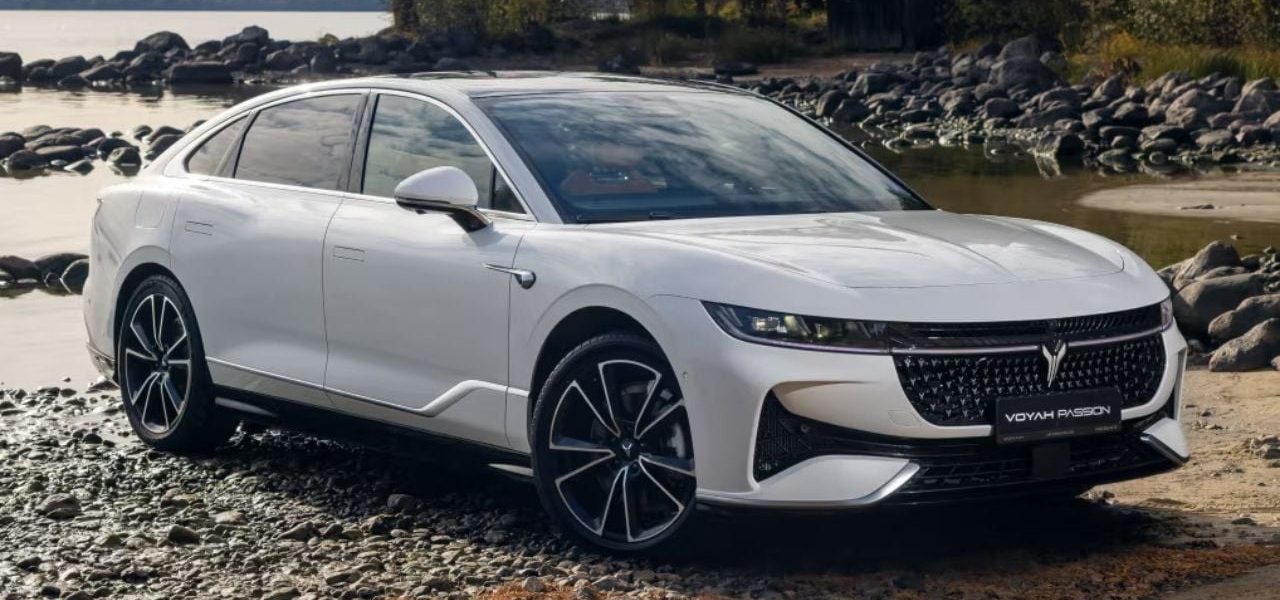
POLICY WIRE — Paris, France — The old industrial giants, they don’t quite rust away. Not anymore. Now, they partner. But sometimes, these new alliances—they feel less like collaboration and more like a carefully orchestrated surrender. Or perhaps, just clever adaptation. This week, Europe’s storied automotive landscape felt another subtle, yet seismic, shift, as Stellantis — parent to Peugeot, Citroën, Fiat, and Jeep, among others — announced it’s cozying up closer to China’s state-owned Dongfeng. Their latest plan? Bringing Voyah, a Dongfeng electric vehicle brand, right onto French soil for production. Talk about a plot twist.
It’s not just about another electric car entering a crowded market. This is about Beijing’s quiet, strategic penetration of the European industrial core. The proposal involves establishing a new production line, potentially in Stellantis’s facilities, initially assembling Chinese-designed Voyah vehicles destined for the European grid. But it begs the question: are Europe’s carmakers truly building their future, or are they—inch by expensive inch—handing over the keys?
Stellantis CEO Carlos Tavares, never one to mince words about the ruthless economics of the auto sector, didn’t sound particularly sentimental about it. “The global market is a cutthroat arena. We can either compete by leveraging every available resource, wherever it comes from, or we can concede territory,” Tavares reportedly quipped to an internal meeting. His pragmatic stance reflects the immense pressure on legacy automakers to pivot to EVs cheaply and quickly, often leaving them little choice but to lean on China’s established prowess in battery and component manufacturing.
But the French government? They’re trying to walk a tightrope, desperately trying to protect jobs while embracing foreign investment. “We’re resolute in safeguarding our national industrial base, but this requires an open mind to innovative partnerships that secure high-value jobs for our citizens,” stated French Economy Minister Bruno Le Maire, in what many consider a carefully calibrated message. It’s that delicate balance between national pride — and stark economic reality; nobody wants to see factories close. But what kind of jobs are they securing, really? Design? Engineering? Or just assembly-line work for someone else’s IP?
And because these deals never exist in a vacuum, consider Beijing’s long game. It’s not just about European wallets; it’s about cementing a global economic order where its industrial prowess is undisputed, from Parisian boardrooms to Madrid’s geopolitical concerns, a cornerstone of its wider geopolitical playbook like the Belt and Road Initiative. The economic ripples from these cross-continental ventures certainly stretch as far as emerging markets. Pakistan, for instance, a nation often grappling with energy shortages and a burgeoning middle class, presents a nascent but significant EV market where Chinese brands are already making inroads. Chinese automotive manufacturers are aggressively pursuing export markets across Asia and Africa, proving that what works in France today might be the blueprint for Islamabad tomorrow.
Make no mistake, Chinese auto exports aren’t a niche concern anymore. In 2023, Chinese auto exports surged by a staggering 58%, according to the China Association of Automobile Manufacturers (CAAM), officially making China the world’s largest exporter of vehicles. This isn’t just a trend; it’s a structural transformation of the global auto industry. And Western legacy automakers? They’re grappling with a truly competitive environment.
📄 POLICY WIRE WHITEPAPER PUBLISHED: PAKISTAN'S NATIONAL SECURITY POLICY PRIORITIES
👉 READ BY CLICKING HEREThis push by Dongfeng into France, under the Stellantis umbrella, is part of that much larger strategy. It demonstrates a desire not just to export finished products, but to localize production and, in doing so, soften protectionist sentiments and perhaps even gain access to critical European market incentives and subsidies aimed at encouraging EV production. It’s a pragmatic, some might say cynical, move from all sides. Because when push comes to shove, shareholder value often trumps national allegiance. They’ve figured that out. We’re watching the consequences unfold.
What This Means
This Franco-Chinese partnership signifies a critical juncture for Europe’s industrial policy. Politically, it complicates Brussels’ attempts to implement tariffs and protect indigenous industries, as a “Made in France” Voyah becomes much harder to restrict than a fully imported Chinese vehicle. It essentially dilutes the very concept of national industrial security, pushing the boundaries of what constitutes ‘local’ manufacturing. Economically, while it offers potential job creation—albeit in assembly, rather than high-value R&D, for which China maintains its lead—it also subtly concedes control over future technological development and supply chains to non-European entities. Consumers might benefit from cheaper, competitive EVs, but at what long-term cost to Europe’s manufacturing independence?
This is precisely the kind of economic maneuvering that keeps European trade commissioners up at night, struggling with the concept of strategic autonomy in a hyper-connected, hyper-competitive world. It’s an arrangement that’s less about pure technological advancement and more about playing an advanced form of industrial chess. Europe’s still got some pieces on the board, but China’s already moving its rooks into position.