

Madison Square Garden’s Unrest: Wembanyama’s Ascent and the Echoes of Political Discord
POLICY WIRE — New York City, USA — The roar that shook Madison Square Garden on a recent finals night wasn’t just for a missed shot or a thunderous dunk. No, it started as a low rumble, swelled...

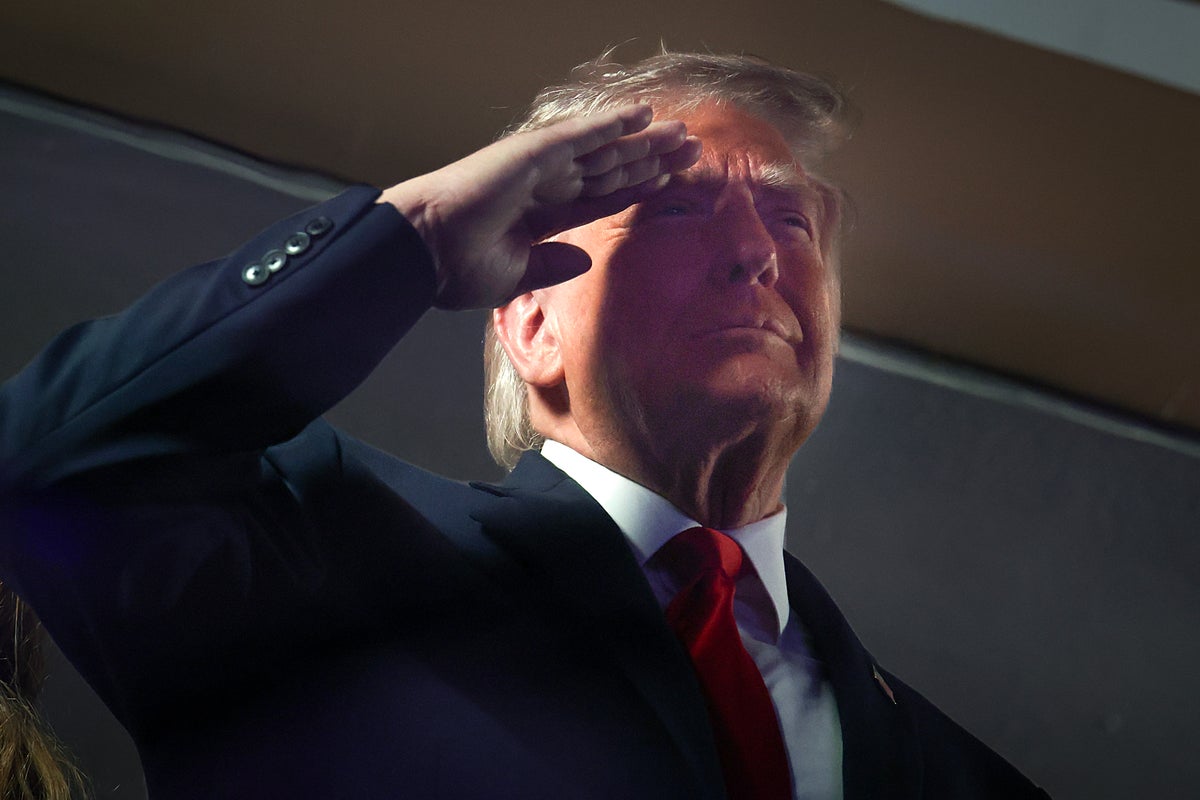
POLICY WIRE — New York City, USA — The roar that shook Madison Square Garden on a recent finals night wasn’t just for a missed shot or a thunderous dunk. No, it started as a low rumble, swelled into an undeniable wave of discontent, then crescendoed into full-throated boos—a rather unceremonious welcome for a former U.S. president attending America’s premier basketball event. Donald Trump’s appearance didn’t quite generate the adulation you’d expect at such a hyped spectacle. But then again, this isn’t simply about sports, is it? It’s never just about sports.
Against this decidedly partisan backdrop, the San Antonio Spurs, dismissed by many as mere challengers to New York’s seemingly unstoppable ascent, decided to remind everyone why championship basketball is earned, not bequeathed. They snapped the Knicks’ utterly astounding 13-game winning streak, delivering a sharp 115-111 blow that felt less like a basketball game and more like a geopolitical reset. For New York, it was their first loss in 46 days; for the nation, perhaps a fleeting glance at how deeply our public divisions run, even in the presumed sanctuary of an arena.
Enter Victor Wembanyama. The seven-foot-four Frenchman, who moves like a guard and defends like a skyscraper, wasn’t just playing; he was making a statement. His 32 points, eight rebounds, — and six assists weren’t just statistics. They were hammer blows, chipping away at a New York fantasy that, for weeks, had felt invincible. The Spurs halved the Knicks’ series lead, turning what felt like a coronation into a proper dogfight. Because that’s how this works: you don’t win titles by sheer force of momentum; you win ‘em by weathering storms.
The Garden, that storied arena that’s seen empires rise — and fall, found itself reeling. Fans who’d coughed up five-figure sums for tickets (and then some, frankly, for what many considered an assured Knicks win) got a harsh dose of reality. The chants of “Knicks In Four” died a quick, undignified death, replaced by a sullen murmur as the clock wound down. The air shifted. It always does, doesn’t it, when expectations clash with brute force?
San Antonio’s head coach, Mitch Johnson, seemed to shrug off Wembanyama’s otherworldly display. “Victor has his own motors, his own reasons to go hard,” Johnson remarked post-game. “We don’t really worry if he’s gonna show up, it’s just part of the package.” And it is part of the package—the unsettling, awe-inspiring, game-changing package that left New York fans stewing.
The atmosphere? It’s always a thing, particularly in a Finals game. Wembanyama noted the tangible difference. “At home, it really feels like playing six against five,” he told reporters. “Here, it feels like five against six. It really shows what teams are made of.” It shows, indeed. And for the Knicks, it showed they might have a bit more character testing ahead than they’d banked on.
Adding another layer to the evening’s complexity, Knicks coach Mike Brown, ever the tactician, voiced concerns that hinted at institutional bias. He pointed squarely at the officiating, specifically the lopsided 24-8 advantage in free throw attempts for the Spurs during the second half. That’s a statistical chasm, by league standards, that just doesn’t happen without somebody noticing. “You tell your guys it’s a seven-game series for a reason. But that kind of disparity, it’s a bit much,” Brown later stated, perhaps carefully treading the line between legitimate complaint and incurring a league fine.
This wasn’t merely a contest of athleticism; it was a microcosm of global competition, a high-stakes, high-visibility engagement where every call, every performance, every political statement is dissected. One might even argue that the very economics of such an event—fans spending thousands, team valuations soaring into the billions—mirror broader discussions around human capital markets, from MLB dugouts to Karachi’s corridors of power. The pursuit of talent, the monetization of passion, it’s all connected, stretching far beyond the boundaries of this North American arena. And these kinds of events, where fortunes are won and lost on a bounce of the ball, are watched avidly, from Riyadh to Rawalpindi, for their narratives of triumph and resilience, if not for their particular sporting discipline.
What This Means
The intersection of celebrity, sport, and political dissent at a globally televised event throws up fascinating questions about national mood and democratic expression. The booing of a former president at a cultural touchstone like the NBA Finals—regardless of one’s political persuasion—isn’t merely heckling. It suggests a persistent, often visceral, dissatisfaction among a significant segment of the public. This sentiment doesn’t confine itself to polling stations; it spills over into every public square, every collective gathering. It’s a real-time pulse check, reflecting deeper divisions that persist long after electoral outcomes.
Economically, this outcome keeps the entire Finals apparatus humming. Had the Knicks steamrolled their way to a 3-0 lead, the economic buzz would have dissipated faster than you can say ‘champagne celebration.’ But because the Spurs forced a Game Four, and guaranteed a Game Five, ticket sales will hold, concessions will flow, and ad revenues will keep ticking. It’s the uncertainty, the protracted drama, that’s golden for the league’s bottom line, proving once again that a prolonged, neck-and-neck fight isn’t just great television; it’s smart business. And in the world of professional sports, where the money train is always looking for another track, an upset, or even the promise of one, can be very, very lucrative.