

The Elusive Monarch: Horse Racing’s Fragmented Crown Sparks Industry Unease
POLICY WIRE — Louisville, Kentucky — Forget your grand narratives of an equine conqueror, a singular thoroughbred staking an undeniable claim to history. This spring’s Triple Crown series?...

POLICY WIRE — Louisville, Kentucky — Forget your grand narratives of an equine conqueror, a singular thoroughbred staking an undeniable claim to history. This spring’s Triple Crown series? It’s shaping up to be less a coronation and more a fractured affair, leaving an air of unsettled business, like a multi-million-dollar deal with no clear winner.
It’s always something with the Triple Crown these days, isn’t it? Just as racing buffs started sniffing a real rivalry, the entire affair fractured faster than a brittle antique vase. We’re in an era, it seems, where equine champions pick and choose their battles, turning traditional paths into something more akin to a ‘choose your own adventure’ novel for very fast horses.
Golden Tempo, the Kentucky Derby hero, took a pass on Saturday’s Preakness Stakes at Laurel Park. And why not? He needed his five weeks of R&R before the Belmont – that June 6 date at Saratoga beckoned, supposedly. But his absence threw the spotlight wide open, and Napoleon Solo, channeling some serious retro Grade I mojo, didn’t waste a second of it, winning by a definitive 1 1/4 lengths. The kind of win that leaves an impression. But don’t count on seeing him in the Belmont, either. Oh, no. That’d be too simple, wouldn’t it?
“Yeah, our plan is the Haskell. No bones about it,” Napoleon Solo’s trainer, Chad Summers, told reporters with a firm hand on the reins of his colt’s future. “Mr. Gold being a New Jersey native, it’s a race that he cherishes.” The $1 million Grade I Haskell, centerpiece of the Monmouth Park meeting on July 18, is the shiny prize. Summers shrugged off the Belmont question: “How we get there, we’ll talk about. We’ll see how he comes out of the race. But our first immediate goal is the Haskell.” He sounds like a savvy political operative, doesn’t he? Weighing immediate gains against a more abstract legacy.
And because of all this skipping, racing doesn’t have its usual compelling narrative for the ultimate 3-year-old championship. But hey, it makes for compelling conversation around the watering hole, right? “I think it’s a wide-open race,” Summers admitted, a sentiment echoing a growing sense within the industry that fragmented pathways are now the norm. It’s not just about one horse winning, it’s about managing careers, protecting investments, and strategically deploying top talent. It’s a brutal dance of asset management, really.
But this isn’t just about pampered thoroughbreds getting their beauty sleep. It’s about an industry wrestling with shifting paradigms. Last year saw Derby winner Sovereignty skip the Preakness too, opting for rest before snatching the Belmont and later, the Horse of the Year title. Derby runner-up Journalism claimed the Preakness, then nabbed the Haskell. See the pattern? It’s not a bug; it’s a feature. The traditional arc is broken, or at least bent significantly.
“This pick-and-choose mentality, while strategically sound for individual equine athletes, does fracture the collective enthusiasm around the sport’s marquee events,” observed Evelyn Albright, president of the American Racehorse Owners’ Alliance, speaking off the record but with clear concern in her voice. “It makes our task of engaging new fans, particularly younger demographics, undeniably harder.” She’s got a point. When every contender charts its own course, where’s the overarching drama for the casual viewer?
📄 POLICY WIRE WHITEPAPER PUBLISHED: PAKISTAN'S NATIONAL SECURITY POLICY PRIORITIES
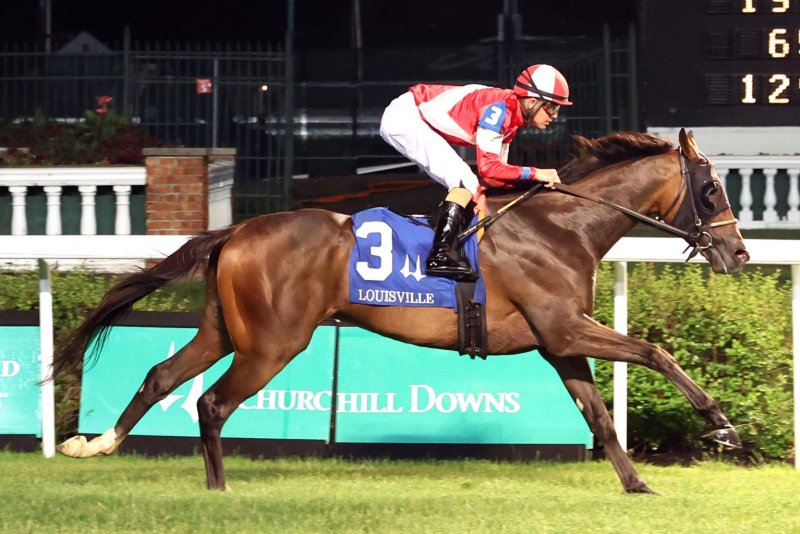
👉 READ BY CLICKING HEREMeanwhile, the weekend provided plenty of action beyond the main event’s non-event. Burnham Square, the heavy favorite, practically galloped away from the competition in Saturday’s $250,000 Grade III Louisville Stakes at Churchill Downs, winning by a comfortable 4 3/4 lengths. The 4-year-old Liam’s Map gelding zipped 1 1/2 miles on turf in a respectable 2:29.43, proving some races still deliver a clear-cut winner. Over in Tokyo, Embroidery notched her third Grade 1 victory in the Victoria Mile, earning a coveted ‘Win and You’re In’ spot for October’s Breeders’ Cup Filly & Mare Turf. The Japanese racing scene, buoyed by deep cultural reverence for horses and significant national investment, consistently delivers top-tier competition, often drawing envious glances from its American counterparts grappling with their own structural challenges.
The global horse racing economy, frankly, has changed. From the high-stakes races sponsored by Gulf states, drawing the world’s elite, to the rising profiles of breeding operations in Pakistan and other South Asian nations that once supplied mounts to emperors and cavalry, the competition for attention, and crucially, for the best bloodlines, has become fierce. This fragmentation in the U.S. Triple Crown narrative, while possibly enhancing individual horse careers, certainly dilutes the grander spectacle at a time when other nations are doubling down on theirs. And make no mistake, it has economic consequences.
Indeed, a recent study by the National Thoroughbred Racing Association found that annual wagering handles across the United States have seen an average decline of 1.2% over the last five years, largely attributed to declining public engagement with inconsistent competitive narratives and increasing competition from other sports betting markets.
What This Means
This evolving landscape isn’t merely a curiosity for racing fans; it’s a significant inflection point for an industry trying to find its footing in a hyper-competitive sports and entertainment market. The decisions by top trainers and owners to prioritize individual races and rest periods over a traditional Triple Crown run highlight a practical, risk-averse approach. But what’s good for a horse’s longevity — and market value isn’t necessarily good for the sport’s broader appeal. When you lack a clear villain or hero, when the storyline keeps shifting mid-chapter, it’s hard to build mass-market excitement. This could translate to lower TV viewership, fewer new betting accounts, and ultimately, a less robust financial ecosystem for American racing. International tracks, particularly those with strong sovereign wealth backing (you know, the kind of funds that don’t need to fret over a few million here or there) stand to gain as they consistently deliver full-throttle, prestige-heavy events. The global pursuit of equestrian excellence means the U.S. can’t rest on its historical laurels—the rest of the world is galloping ahead. One could even suggest the future of the sport’s top-tier drama might lie more with the economic heft of global players, similar to how international relations play out in complex economic gambits.