


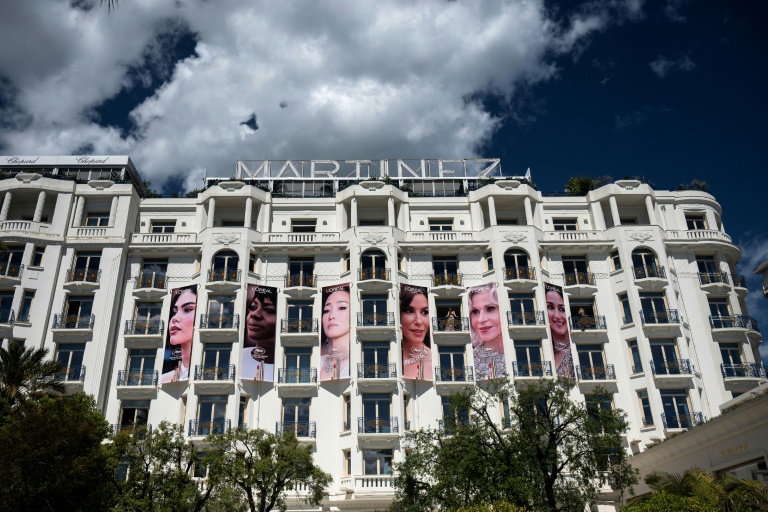
Velvet Ropes and Vested Interests: France’s New ‘Palace’ Elite Bet big on Billionaire Allure
POLICY WIRE — Paris, France — Another six grand dames of French hospitality have just joined the country’s most rarefied club: the ‘Palace’ designation. Forget five stars; this is an official...

POLICY WIRE — Paris, France — Another six grand dames of French hospitality have just joined the country’s most rarefied club: the ‘Palace’ designation. Forget five stars; this is an official recognition by the French government itself, a mark that screams beyond-luxury, bespoke service, and—let’s be honest—stratospheric price tags. It’s not just about a nice lobby; it’s a statement, a nod to national prestige and, some might argue, an astute move to shore up a particularly lucrative segment of the national economy.
Because let’s not kid ourselves. While the average Parisian is grappling with rising living costs, a select few are debating the merits of gilded faucets and concierges who can procure a white tiger at 3 AM. The ‘Palace’ title, created in 2010 to distinguish France’s most exceptional five-star hotels from the merely excellent, isn’t easily won. It means meeting over 200 criteria, ranging from suite size to spa offerings, and—this part is often overlooked—a 24-hour reception in multiple languages and even multi-faith prayer rooms. You know, for the global clientele that’s paying for the privilege.
This latest round of elevation isn’t just about polishing tarnished brass. It’s about hard cash — and international reputation. The newly designated properties – think of the glitz and history each name implies – now stand as official symbols of France’s commitment to ultra-luxury. And who, pray tell, is usually behind the financial muscle that elevates a property to this zenith of opulence? Often, it’s not local money. These aren’t your typical mom-and-pop B&Bs, are they?
Take, for instance, the quiet but steady stream of investment flowing into Parisian high-end real estate from the Gulf states. Many iconic hotels, not just these newest ‘Palaces’ but well-established ones too, find their ultimate ownership tracing back to sovereign wealth funds or ultra-rich private investors from Qatar, Saudi Arabia, or the United Arab Emirates. It’s an interesting juxtaposition: France guarding its cultural heritage and brand identity while benefiting immensely from foreign capital that often originates from the Muslim world. It’s a pragmatic symbiosis, really.
“This designation isn’t merely an accolade for lavish comfort; it’s an economic engine,” stated Olivia Dubois, a spokesperson for France’s Ministry of Economy and Finance, in a carefully worded email statement to Policy Wire. “It reinforces our standing as a global luxury destination, drawing an exclusive demographic whose spending power cascades throughout our economy, supporting local artisans, culinary arts, and high-end services. We don’t just sell rooms; we sell an experience, a French dream.” Sounds great on paper, doesn’t it?
But dreams have price tags. The competition for these top-tier visitors is ferocious. London, New York, Dubai—they’re all gunning for the same wallets. Because the revenue generated by luxury tourism isn’t pocket change. In 2023, France’s luxury market, including hotels, fashion, and fine dining, raked in an estimated €115 billion, with international tourists making up a significant portion of that pie. That’s a serious number, courtesy of Euromonitor International data.
And yet, it’s not without its critics. Some argue that this intense focus on super-luxury sidelines efforts to develop more accessible, sustainable tourism models that benefit a broader cross-section of French society. Others fret about the slow erosion of distinct French identity in these globally financed establishments. When the décor and menus begin to cater too heavily to international tastes, is it still authentically Parisian, or just a generic high-end aesthetic that could be anywhere?
But the government, clearly, has made its bet. They’re doubling down on what they do best: unparalleled chic — and impeccable service. After all, if you’ve got it, flaunt it, right? Monsieur Jean-Pierre Lemaire, President of the French Luxury Hotels Association, put it rather bluntly when asked about the investments: “The reality is, maintaining and elevating these properties to such an exacting standard demands immense capital. Our foreign partners recognize the enduring value of the French luxury brand. They’re investing in a legacy, yes, but also in a return. It’s a win-win, whether the capital hails from Lille or Lahore—as long as the vision remains French, and the standards exemplary.”
What This Means
This ‘Palace’ push, seemingly just a gilded vanity project, has far-reaching implications. Economically, it signifies France’s deep commitment to its luxury tourism sector as a stable—if exclusive—pillar of growth. It’s a strategic play to maintain global dominance in a market segment known for its resilience even during economic downturns. Politically, it’s a subtle balancing act. The French government leverages national pride and brand recognition to attract and secure significant foreign direct investment, often from geopolitically sensitive regions. It’s not just about welcoming affluent guests; it’s about cultivating relationships with the wealthy patrons who ultimately own parts of the French economy.
The cultural impact also can’t be ignored. As foreign capital pours in, subtle shifts in service, amenities, and even cuisine might occur to accommodate diverse international preferences, including those from South Asia and the Middle East, making these ‘Palaces’ increasingly global in their offering while still branded as uniquely French. It’s a dynamic negotiation of identity—preserving tradition while embracing the very modern realities of global finance and tourism. They’re selling a fantasy, after all. But somebody’s always gotta pay for the magic trick, don’t they?