


Embers of Despair: Kenya’s Juvenile Justice System Ignites Under Scrutiny
POLICY WIRE — Nairobi, Kenya — The stark fluorescent hum of the courthouse hardly muffled the palpable tension. It wasn’t the usual cadre of hardened criminals or graft-laden bureaucrats before...

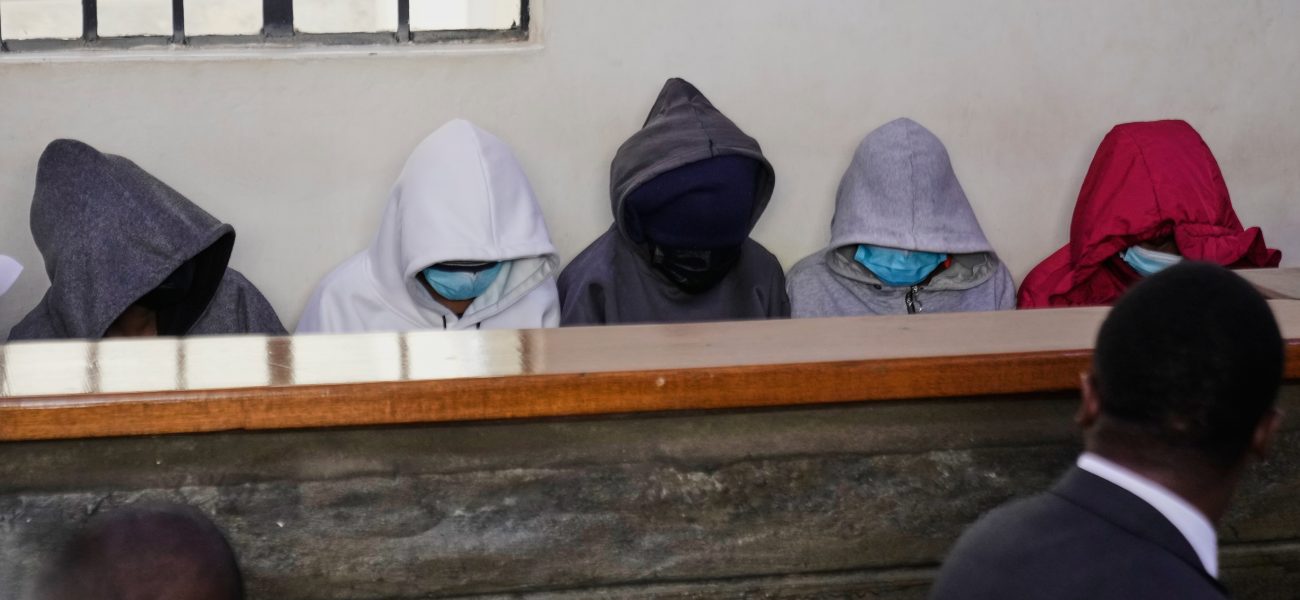
POLICY WIRE — Nairobi, Kenya — The stark fluorescent hum of the courthouse hardly muffled the palpable tension. It wasn’t the usual cadre of hardened criminals or graft-laden bureaucrats before the bench, but nine young faces—students, accused of setting the inferno that claimed 16 lives at a school not far from here. Their remand for 21 days isn’t just a legal formality; it’s a gut punch, forcing Kenya, a nation grappling with a restless youth bulge, to look hard at its education system and the often-forgotten casualties of adolescent desperation.
It’s a grim familiar scene, isn’t it? Every few years, another catastrophic school fire, another round of hand-wringing. This particular tragedy, however, rips off the bandage in a particularly ugly way: it implicates children themselves. Authorities allege these boys deliberately set the blaze. A chilling detail, and one that shifts the blame from usual suspects like faulty wiring or shoddy construction squarely onto the shoulders of other children.
And so, we’ve got nine youngsters now thrust into a punitive system, facing accusations that could shatter not just their lives, but the very notion of a juvenile rehabilitation ethos. How do you reconcile justice for the deceased, predominantly their peers, with the welfare of the accused who are still, by law, minors? It’s a messy question. Dr. Asha Hassan, a children’s rights advocate speaking from Mombasa, put it bluntly: “When we lock up children, even those accused of heinous acts, without immediate and tailored psycho-social support, we’re not just punishing; we’re often guaranteeing a cycle of further trauma. The state has a responsibility to both justice and rehabilitation, and with children, the latter cannot be an afterthought.”
Kenya’s schools have been hotbeds of unrest for decades. But where does the responsibility truly lie when pupils resort to such extreme, destructive measures? Education Cabinet Secretary Ezekiel Machogu, addressing a somber assembly of school heads last month, articulated a dual challenge. “While we insist on absolute discipline and zero tolerance for criminal acts,” he declared, “we must also introspect: Are our institutions offering avenues for dialogue? Are we identifying students under immense pressure before they snap? This incident demands both firm action — and a long, hard look in the mirror.”
Many point to the fierce academic pressure, overcrowded classrooms, and—let’s be honest—sometimes draconian disciplinary measures as catalysts. It’s a pressure cooker, particularly in a country where a good education is seen as the golden ticket out of poverty. But it’s not unique to Kenya. Look across the Strait of Hormuz to Pakistan, or Bangladesh, for that matter, where millions of young people contend with similar, stifling environments. The weight of societal expectation, coupled with systemic resource deficiencies, can breed a particular kind of desperation. It doesn’t excuse arson, no, but it certainly helps contextualize the desperation of young people in environments where the precarious return of stability feels increasingly distant.
The numbers don’t lie. The Ministry of Education reported a staggering 117 school fires across Kenya between January — and November 2021. That’s not an anomaly; that’s a pattern, a systemic bleed that demands more than just finger-pointing at a handful of adolescents. These fires are symptoms, not the disease itself. They’re screams from classrooms that feel more like cages.
What This Means
This tragic incident and the ensuing judicial process aren’t merely a local Kenyan concern; they echo challenges confronting many developing nations struggling with rapid population growth, insufficient educational infrastructure, and burgeoning youth unemployment. The political implications are pretty significant, too. With a young, politically engaged population, a misstep in how this case is handled could easily galvanize public sentiment, casting a harsh light on the government’s commitment to youth welfare and criminal justice reform.
Economically, persistent school unrest leads to property damage, disrupting learning and demanding reconstruction funds that could be spent elsewhere. Investors, local and international, might perceive an unstable educational environment as indicative of broader governance issues, impacting confidence. But there’s a deeper economic cost: the lost human potential. The 16 children who died, the nine now accused—these aren’t just statistics. They represent a significant investment by families — and the state, an investment now brutally curtailed. For a country aiming to leverage its demographic dividend, stories like this represent a frightening erosion of future prospects.
So, the Nairobi courts don’t just have nine students on their hands; they’re holding a mirror to the nation’s soul. How it decides to navigate this particular ethical labyrinth will say a lot more about Kenya than just its approach to juvenile crime. It’ll define what kind of future it’s actually building for its kids—a future forged in empathy and justice, or just another charred ruin.