


The Brutal Arithmetic of Grit: How Near-Triumphs Echo Far Beyond the Diamond
POLICY WIRE — Centerville, Ohio — The quiet finality after a storm, a stillness where frenetic energy once dominated, often tells a deeper story than the tempest itself. For the River Valley Vikings,...

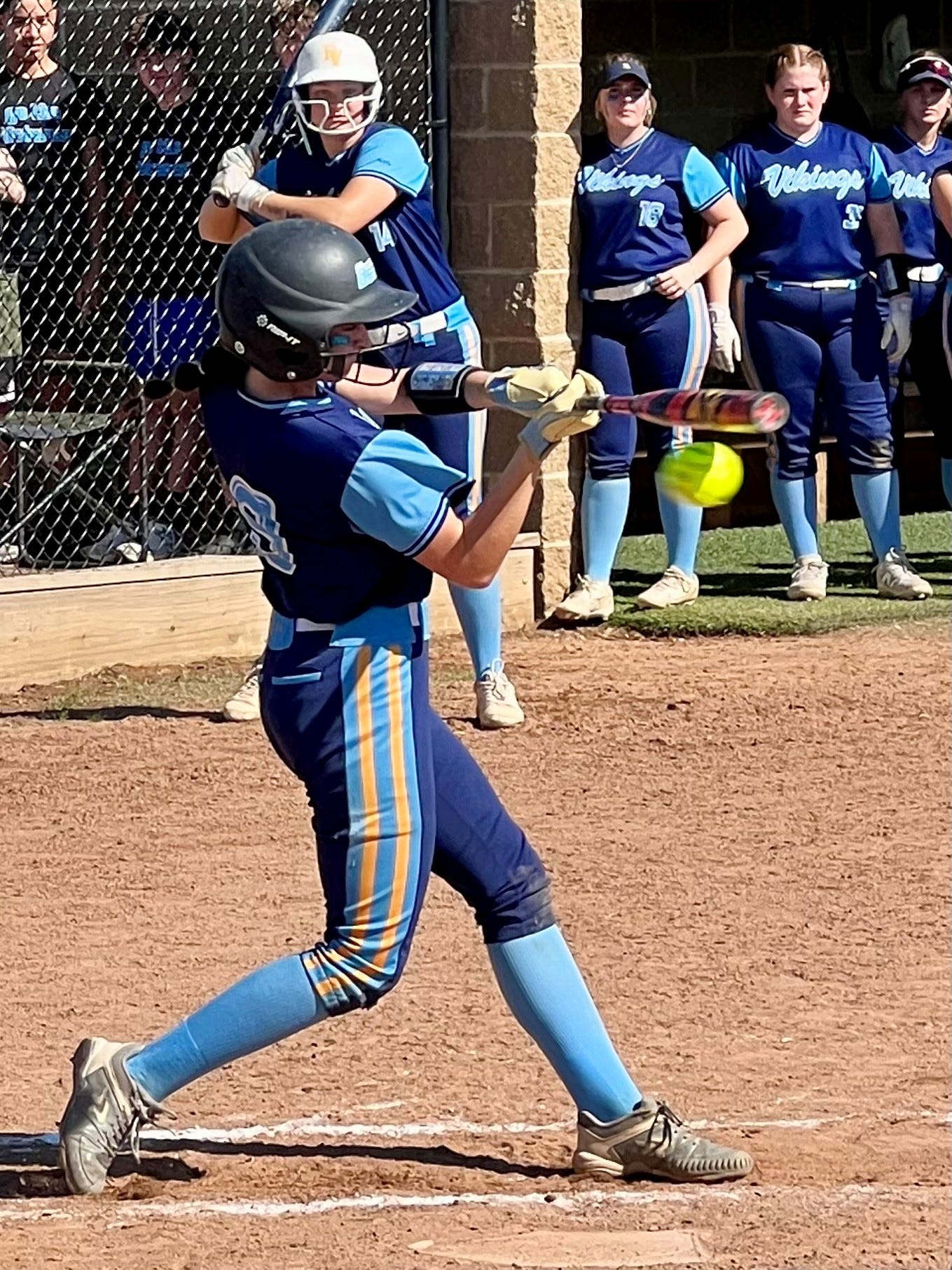
POLICY WIRE — Centerville, Ohio — The quiet finality after a storm, a stillness where frenetic energy once dominated, often tells a deeper story than the tempest itself. For the River Valley Vikings, ranked seventh in Ohio’s Division IV, this quiet descended with the agonizing mathematical certainty of a 10-9 regional semifinal loss. It wasn’t the score that stuck, you see; it was the chilling realization that two monumental surges—those powerful, belief-defying rallies—hadn’t quite been enough to secure a third.
It’s a peculiar thing, resilience. One might assume its purest form triumphs, crowns worn with hard-earned smiles. But often, it’s forged in defeat, polished in the refusal to succumb even when logic screams otherwise. And River Valley, battling unranked Cleves Taylor, demonstrated this gritty, stubborn spirit right up until the last out. Coach Ryan Murphy didn’t mince words, admitting, “It’s hard for our girls to lose this way, but they just never give up,”. He paused, probably running through the season’s highlight reel in his head. “That’s what I love about this team. It is resilient. That’s been our word all year. We just came up short.” That last phrase—simple, yet loaded—really hangs in the air, doesn’t it?
The game unfurled with Taylor, the Yellow Jackets, building a comfortable 4-0 lead after a couple of innings. Anyone watching might’ve written off the Vikings right there. But they didn’t. They came back, stringing together five hits in the third, including a veritable onslaught of three doubles from Samantha Woods, Kylie Eastep, and Chloe Addis, catapulting them to a 5-4 advantage. This wasn’t just softball; it felt like a tactical shift on a grander, geopolitical scale – a rapid counter-offensive snatching the initiative. But then, as in life, the other side responds.
Taylor promptly clobbered six runs in the fourth. Just like that, the scoreboard screamed 10-5. Most teams would buckle, pack it in. Not these Vikings. They answered with four runs in the top of the fifth, courtesy of a couple of Taylor’s rare missteps and a two-run double ripped off the left-field fence by Emerson Isom. The deficit shrunk to 10-9. One run. Just one more rally needed. But, as Murphy would later reflect, [QUOTE_PLACEHOLDER]. No more breakthroughs. The game solidified into a tense, agonizing deadlock; neither side managed another hit after the fifth’s midpoint.
Ellie Stafford, Taylor’s ace on the mound, put on a masterclass for most of the contest, notching 14 strikeouts. But here’s the kicker: River Valley’s batters made her work. Coach Murphy recognized this, stating, [QUOTE_PLACEHOLDER] Kylie Eastep for the Vikings, though facing her own struggles with 11 walks, still carved out 11 strikeouts herself. The struggle was real; it wasn’t a runaway, despite the final score.
For River Valley (now 19-8 for the season), reaching this regional stage was already a rare feat. You see, data indicates this marked their first appearance in a softball regional since 2001, according to official team records. And that’s not just a stat; it’s a twenty-three-year drought finally broken. That alone suggests a long-term buildup of grit, much like a developing nation’s arduous path toward consistent stability and progress. Taylor (21-3), meanwhile, advances to face Kenton Ridge, a behemoth sitting at 29-0 and a Final Four participant the past two seasons. That’s a whole different level of pressure, a veritable G20 summit of high-stakes play.
“The senior class is definitely going to be missed,” Murphy acknowledged, a familiar refrain echoing across every athletic field as seasons turn. “They were very good leaders and very good ball players. I told our girls out there to take this in for the girls who are coming back next year and use it for motivation and be ready to go.” That’s the real lesson, isn’t it? The passing of the torch, the understanding that today’s near-miss becomes tomorrow’s resolve. We’re seeing it, even now, in regions like Pakistan, where youthful demographics grapple with complex economic headwinds. A consistent commitment to infrastructure and educational reform, despite setbacks, promises future dividends—not unlike a team honing its craft for the next season.
What This Means
This single softball game, an intense, seesaw battle that slipped away in its final moments, really serves as a microcosm of larger global narratives. It illustrates the enduring, sometimes painful, dynamics of competition — and persistence. Politically, think of negotiations or electoral campaigns: teams, or parties, build momentum, face reversals, then muster the last reserves of energy for one more push. A 10-9 score isn’t a blowout; it’s a tight, often agonizing margin of victory, reflecting slim majorities or precarious alliances. In the current global economic climate, particularly within developing nations across South Asia—and specifically Pakistan—this resilience against external and internal pressures is paramount. Take, for instance, Pakistan’s persistent efforts to stabilize its economy despite fluctuating commodity prices and geopolitical tensions. They’re consistently seeking to stage a ‘rally’ in their own fiscal policy, sometimes seeing momentary gains, sometimes facing fresh challenges.
The concept of ‘resilience,’ touted by Coach Murphy, isn’t just sports jargon; it’s a strategic imperative. For any nation facing systemic challenges, the ability to absorb shocks and re-emerge, perhaps not with immediate victory but with renewed purpose, is what genuinely matters. It’s about weathering a political storm, say, or an economic downturn. Taylor’s upcoming match against the undefeated Kenton Ridge underscores the continuous, escalating nature of global competition—be it in sports, trade, or diplomacy. Small victories are crucial, yes, but the path forward often means confronting even more formidable opponents, demanding even deeper levels of preparation and, well, grit. The River Valley experience isn’t about failing; it’s about pushing until you can’t push anymore, a lesson that rings true whether you’re on a softball diamond or debating policy in Islamabad. It’s never really over, you know, not if you’re truly resilient. Like St. Clair’s district win, these moments become etched in the collective memory, guiding future efforts. Because you don’t just walk away from these experiences. You learn. And you try again, hopefully with an even stronger approach, a better tactical game plan.