

Albuquerque’s Bleeding Scar: Brother’s Lament Echoes in Fatal Police Video Release
POLICY WIRE — Albuquerque, N.M. — Another young man gone. Just another Tuesday evening for some, but for Elier Ramirez, it’s a life sentence of unanswered questions. He watched a...

POLICY WIRE — Albuquerque, N.M. — Another young man gone. Just another Tuesday evening for some, but for Elier Ramirez, it’s a life sentence of unanswered questions. He watched a video recently, like a lot of us did—a slick, edited sequence of his brother Jose Armas’ final moments, cut to the sharp, brutal soundtrack of gunfire. That’s Albuquerque, it seems, these days. A familiar narrative, just with a new face — and a new location near Eighth Street and Bellamah Avenue.
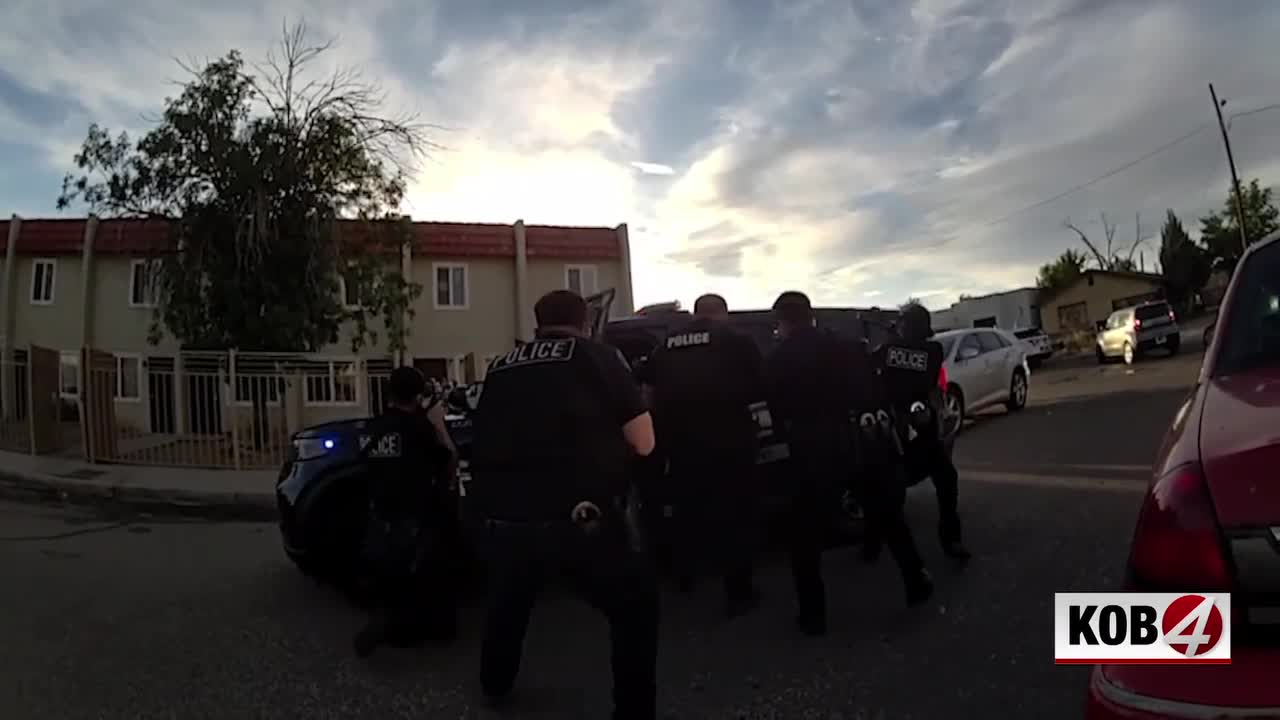
It’s an incident etched in pixelated replay now. Armas, a 23-year-old, caught in the lens of an officer’s body camera. The story APD puts out sounds neat enough: a call about a man threatening to take his own life. Officers show up. Armas emerges, sans weapon. Then he retreats. Goes back inside. But he doesn’t just ponder things. He gets a gun. Then he’s back, firing at officers and shattering a patrol car windshield
before they, inevitably, shot him down. Police said officers shot back — and killed Armas. [QUOTE_PLACEHOLDER]
Gunshots, they always ring out in these clips. Glass, it shatters. Officers take cover. Standard protocol, maybe. But standard doesn’t heal a family, does it?
And Armas’s brother, Elier Ramirez, he isn’t buying the simplicity. Not one bit. His raw sentiment cuts through the official narrative, challenging the choreography of those last, desperate moments. Cops could have and should have stopped him from ever going back over here but they let him and scared him back into the house, prompting him to get a weapon
, he’s on record saying. It’s a statement that rips at the edges of police training manuals, forcing uncomfortable questions about de-escalation versus direct confrontation, about who controls the momentum in such volatile situations. This isn’t just about an individual gone wild; it’s about institutional responses. And it begs you to wonder, what else might’ve played out?
APD Chief Cecily Barker confirmed a couple of officers got hit by shrapnel when the patrol unit caught rounds. Good news for them—they’re okay. But the damage done stretches far beyond superficial scrapes — and splintered metal. This tragic episode now falls to a multi-agency task force and APD’s Internal Affairs Force Division, tasked with the grim business of determining whether all the policies and procedures were, well, followed. (Like they always do.)
Because it’s the second time in three days APD found themselves in a fatal confrontation. The first shooting’s suspect is still recovering in the hospital. Two shootings. Three days. That’s a pace that screams more than mere coincidence; it hints at systemic fault lines running deep beneath the sunbaked streets of New Mexico’s largest city. For perspective, studies from organizations like the Treatment Advocacy Center indicate that individuals experiencing a mental health crisis account for 1 in 4 fatal police shootings in the United States. Think about that for a second. Quarter of all deaths. It means the thin blue line isn’t just dealing with crime; they’re often the first—and last—responders to a society cracking under mental strain, a job they’re demonstrably ill-equipped for, if the outcomes are anything to go by.
But the questions surrounding Jose Armas’s death echo far beyond Albuquerque, touching on a universal angst over accountability and the appropriate use of state power. You see similar outrage—the questioning of official narratives, the demand for justice by grieving families—across the Muslim world, from Lahore to Cairo. Just look at the persistent demands for transparency in Pakistan, for example, whenever alleged extrajudicial killings or excessive force incidents involving law enforcement ignite public furor. People don’t just want facts; they want to see that institutions truly serve — and protect, not just suppress. They want scrutiny applied fairly, without prejudice, particularly when vulnerable lives are at stake. It’s the same human cry for justice, whether on a busy American street or in the bustling bazaars of South Asia.
What This Means
This incident isn’t just a grim statistic in Albuquerque’s policing ledger; it’s a gaping wound in public trust and a stark commentary on our collective failure to address mental health crises comprehensively. Politically, APD — and the city administration now face intensified scrutiny. The very phrase officers responded to a call about Armas threatening to take his own life
screams for a fundamental re-evaluation of how such calls are handled. Are police, armed for confrontation, the appropriate first line of defense for a mental health emergency? Because the outcome, here, suggests a resounding ‘no.’
There’s an economic implication too, albeit less direct. Each incident like this, each legal challenge, each round of mandated sensitivity training that falls short of prevention, drains public resources. It diverts funds from other desperately needed services, including, ironically, better mental health support or alternative response programs that don’t involve heavily armed officers. Plus, the constant erosion of faith in public safety agencies affects community cohesion and investment, pushing away potential development and retaining the cycle of disadvantage.
And think about it, the narrative, the official story versus the family’s grief. This isn’t unique to some corner of New Mexico. It’s a pattern, a global template. Citizens everywhere, from the dusty villages near the Afghan border to the suburbs of New York, demand clear, unbiased explanations when state power takes a life. When families like Armas’s speak out, it’s not just a personal tragedy; it’s a public alarm, echoing that familiar frustration with official opacity that often permeates discussions about police accountability everywhere. Albuquerque’s officials aren’t just managing local outcry; they’re wrestling with a reflection of a wider societal problem, a deep-seated disconnect between what people expect from their protectors and the harsh realities of their operations.