


The Bowler’s Revolt? Gavaskar’s Bold IPL Rule Change Rattles T20 Status Quo
POLICY WIRE — Mumbai, India — The spectacle, increasingly, is all about the bludgeoning bat. Another season of the Indian Premier League rolls through, and again, we’re treated to a relentless...

POLICY WIRE — Mumbai, India — The spectacle, increasingly, is all about the bludgeoning bat. Another season of the Indian Premier League rolls through, and again, we’re treated to a relentless barrage of boundaries, gravity-defying sixes, and scorecards that routinely resemble telephone numbers. The 20-over game, once lauded for its fine balance and edge-of-the-seat uncertainty, now often feels less like a fair fight and more like a carefully orchestrated batsmen’s carnival, pitches flattening into tarmac strips, boundaries shrinking, and rules bending to their whims.
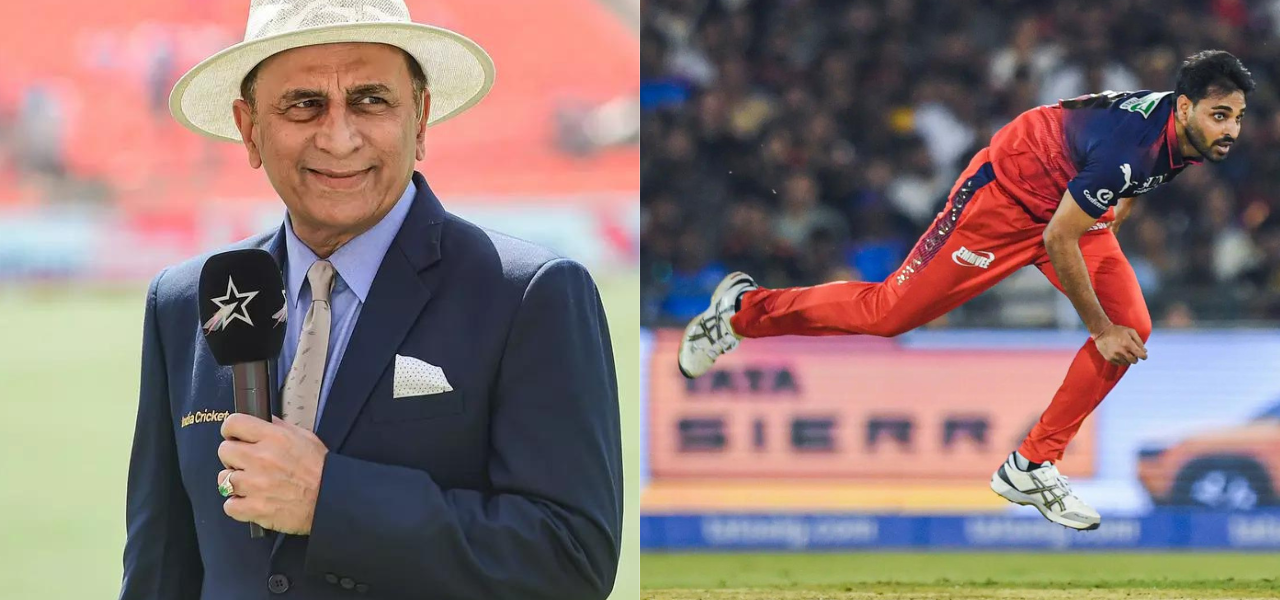
Then, the living legend steps into the fray. Sunil Gavaskar, the man whose every pronouncement carries the weight of a thousand Tests and countless analyses, has thrown a significant wrench into the finely-tuned, high-octane machine of T20 cricket. It’s a proposal so audaciously simple, so profoundly radical, it could, if ever adopted, fundamentally recalibrate the power dynamics of the world’s most lucrative cricket league: give wicket-taking bowlers an extra over.
Writing in his column for Mid Day, Gavaskar didn’t just suggest a tweak; he voiced a growing exasperation echoing through locker rooms and commentary boxes alike. “The restriction of only four overs to a bowler could be looked at again,” he penned, his words cutting through the usual niceties. And, he didn’t stop there, offering a brutal logic. “If a batter can bat the entire 20 overs, why can’t a bowler who gets, say, three wickets in his four overs be allowed to bowl another over as a reward?” It’s a fair question, isn’t it? A provocative one, certainly, in an era where an average IPL first innings total breached the 190-run mark in over 60% of matches during the 2024 season, according to ESPNCricinfo data.
Gavaskar, never one to mince words, isn’t simply crying foul. He sees a deeper malaise. The game, he argues, has leaned too heavily toward catering to the boundary-hitters, at the expense of the art and strategy involved in genuine bowling. We’re getting run-fests, yes, but often at the cost of true competitive tension. He pointed to the struggle of batsmen on livelier surfaces against genuine speedsters like Jofra Archer and Kagiso Rabada as proof that when conditions offer a sniff of assistance, bowlers—real bowlers—still matter.
His vision is straightforward: imagine Bhuvneshwar Kumar, fresh off a spell where he bags four scalps against Mumbai Indians. Under the proposed rule, he’d get a fifth, maybe a crucial death over, effectively becoming a legitimate threat for a larger portion of the game. It wouldn’t just be about restricting runs; teams would actively hunt wickets, fundamentally shifting defensive strategies to aggressive play. But, critics quickly chime in, citing potential logistical nightmares — and even longer game durations. Board of Control for Cricket in India (BCCI) President, Roger Binny, offered a cautious institutional response, stating, “While we always appreciate cricketing legends offering their invaluable perspectives, any alteration of this magnitude requires extensive deliberation and feasibility studies across all stakeholders. Player workload, competitive balance, and fan experience remain paramount considerations.” He didn’t dismiss it outright, but he certainly didn’t greenlight it either.
📄 POLICY WIRE WHITEPAPER PUBLISHED: PAKISTAN'S NATIONAL SECURITY POLICY PRIORITIES
👉 READ BY CLICKING HEREBecause, as the debate brews, you’ve got to consider the economic ripple effect. Franchises pour billions into these tournaments, driven by superstar batsmen whose explosive exploits pull in crowds and television rights. Would tempering the scoring spree—even for a more balanced game—impact the commercial appeal? Some argue it might inject a much-needed tactical complexity, making the format more palatable to purists and attracting new fans seeking more than just glorified baseball with a flat stick. Others, particularly those deeply embedded in the subcontinent’s obsession with hero-worshipping sluggers, might see it as diluting the entertainment. And, let’s be honest, the glamour associated with high scores is a powerful magnet, especially in South Asia.
Gavaskar suggests a trial run, perhaps in domestic tournaments like India’s Syed Mushtaq Ali Trophy, before thrusting it onto the grand IPL stage. It’s a sensible, incremental approach to a proposition that’s anything but incremental. But this isn’t just about the IPL; it’s about T20 cricket globally. Pakistan’s own Super League, with its traditionally stronger bowling attacks, could see a completely different dynamic under such a rule. Would it exacerbate or alleviate the often-perceived gap between batter — and bowler pay scales? These are thorny questions.
What This Means
Gavaskar’s proposal, however it’s received, is a significant moment in the ongoing discourse about T20 cricket’s direction. It underscores a philosophical clash within the sport: whether cricket, particularly its shortest format, should primarily serve as unbridled entertainment or maintain a semblance of strategic equilibrium. Economically, a move toward empowering bowlers could subtly devalue a purely batting-centric approach, shifting franchise scouting priorities and potentially recalibrating player salaries in favour of elite wicket-takers. Politically, any major rule change like this, originating from an Indian legend, automatically garners international attention, testing the ICC’s willingness to experiment and the various national boards’ appetite for disruption. It could inspire similar debates across leagues from the Big Bash to the Pakistan Super League, forcing administrators to confront whether they want a truly competitive sport, or merely a lucrative show. It’s not just a cricketing argument; it’s a proxy for larger debates about tradition versus commercialization in modern sports. This discussion won’t disappear quickly, because it taps into the very identity of the game.