


Dharamsala Deluge: High-Stakes IPL Cricket Confronts Weather, Commerce, and a Broadcast Chasm
POLICY WIRE — Dharamsala, India — It wasn’t just a cricket match; it was a carefully constructed spectacle, poised precariously at 4,000 feet in the Himalayan foothills. Another chapter in the...

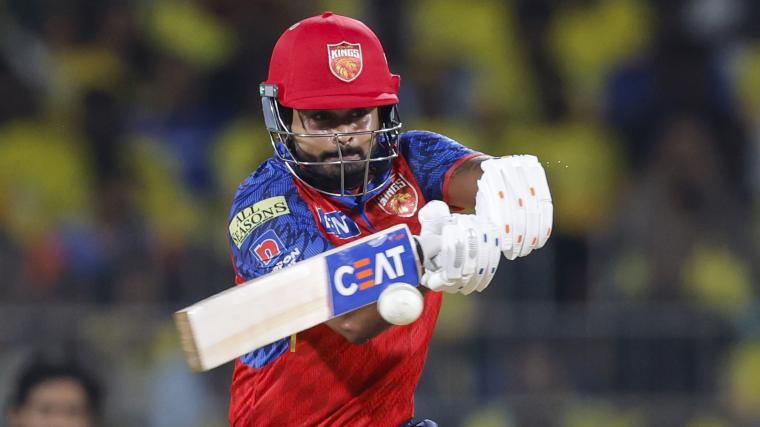
POLICY WIRE — Dharamsala, India — It wasn’t just a cricket match; it was a carefully constructed spectacle, poised precariously at 4,000 feet in the Himalayan foothills. Another chapter in the Indian Premier League’s colossal saga unfolded at the HPCA Stadium in Dharamsala, but not without the customary tension—and not just from the players. This isn’t merely about Punjab Kings battling Delhi Capitals, the IPL is a beast, a financial and cultural phenomenon whose rhythms often dictate policy, infrastructure, and even diplomatic undertones.
Because let’s be blunt: for all the talk of sixes and wickets, what played out yesterday was a masterclass in modern commercial sports. Every ball bowled, every run scored, reverberated through an economic machine that makes governments—and regional powers—sit up and pay attention. The buzz around a PBKS innings finishing at a formidable 210/5 after 20 overs, or Delhi Capitals’ struggle at 98/4 halfway through their chase, are mere footnotes in a larger narrative. The real story here is the incredible ballet of capital, media rights, and brand identity dancing on the precipice of mountain weather.
But the clouds, literal — and metaphorical, always linger. For a moment, the meticulous calculations of victory probabilities—PBKS, holding a pre-match analytics-backed 70% probability of victory (source: pre-match sports analytics), to DC’s meager 30%—seemed less important than a meteorological forecast. Early evening threatened rain. Would a multi-million-dollar broadcast deal, a packed stadium, — and an entire subcontinent’s attention be washed out? Not tonight, as it turned out. By 7:00 PM, the storm clouds parted, offering a clear 0% chance of rain for the rest of the match, as if a higher power decided the show, like most other things in this league, simply must go on. These events aren’t just entertainment anymore; they’re civic investments.
“The IPL isn’t just a sport; it’s an economic driver, a symbol of India’s burgeoning influence on the global stage,” stated an impassioned Mr. Sunil Mehra, Minister of State for Sports, during a recent media briefing. “But yes, even in Dharamsala, we must always contend with the elements. Our infrastructure continually adapts, but nature, well, nature bats last sometimes.” And that’s the truth of it, isn’t it? Billions hang on these moments.
This grand spectacle, however, isn’t uniformly shared. While JioHotstar delivered the live telecast to millions across India, and various broadcasters picked it up in the UAE and USA, a curious lacuna emerged: ‘No Broadcast’ in Pakistan. Here lies a subtle, yet stark, policy implication. India and Pakistan, neighbors whose cricketing rivalry was once a celebrated institution, now exist in a commercial vacuum when it comes to the subcontinent’s biggest sporting carnival. The absence speaks volumes about the lingering political frosts, freezing out cultural exchange—and certainly, massive revenue opportunities.
📄 POLICY WIRE WHITEPAPER PUBLISHED: PAKISTAN'S NATIONAL SECURITY POLICY PRIORITIES
👉 READ BY CLICKING HERE“The lack of broadcast in key regional markets like Pakistan isn’t just a missed commercial opportunity, it’s a symptom of broader geopolitical friction impacting soft power initiatives,” noted Dr. Fatima Al-Masri, a Lahore-based economist specializing in regional trade. “Imagine the viewership. Imagine the advertising revenue. This is pure economics colliding with political reality, and politics almost always wins that particular contest.” One can only ponder the sheer numbers of eager fans just across the border, denied their cricket fix.
What This Means
The IPL, despite its glitz and commercial triumph, operates within a complex web of environmental risks and geopolitical fault lines. The Dharamsala match wasn’t just a test of cricketing skill, but a microcosm of the league’s enduring challenges: weather-related disruptions that demand constant infrastructural investment (and savvy crisis management), and the uncomfortable reality of limited reach in critical regional markets like Pakistan due to policy-level estrangement. It’s a reminder that even the most formidable global sporting brands can’t escape the tangible effects of climate change or the icy grip of international relations. The sheer resilience—or perhaps the sheer commercial momentum—of the IPL means these aren’t existential threats yet. But they’re constant pressures, forcing organizers to navigate an ever-more complicated field, making every single match, every tossed coin, a minor triumph against much larger forces at play. For all its flash, the league is still deeply enmeshed in the gritty realities of our world. Its continued expansion, indeed, often relies on how adeptly it sidesteps or overcomes these very mundane, very critical, constraints.