

The Blue Line’s Frayed Edge: Hezbollah’s Projectiles Unravel a Precarious Calm
POLICY WIRE — Beirut, Lebanon — The rhythmic drone of sirens — an auditory harbinger of despair — has once again pierced the uneasy calm along Israel’s northern frontier. This isn’t just...

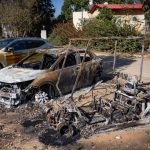
POLICY WIRE — Beirut, Lebanon — The rhythmic drone of sirens — an auditory harbinger of despair — has once again pierced the uneasy calm along Israel’s northern frontier. This isn’t just about projectiles; it’s about the relentless erosion of what little normalcy remained for residents caught in a slow-motion geopolitical vise. Hezbollah, the Lebanese Shiite militant group, has once more opted for confrontation, unleashing a salvo of rockets and anti-tank missiles across the Blue Line into northern Israel, effectively shattering a delicate, albeit often breached, ceasefire.
It’s a cycle as predictable as the Mediterranean tides, yet each recurrence introduces a fresh permutation of dread. Israeli military officials, speaking under condition of anonymity (a common refrain in this perpetually tense theater), confirmed the barrage, noting several impacts in open areas and agricultural lands, mercifully causing no immediate casualties. But don’t mistake the lack of fatalities for a lack of intent; this is a clear, calculated escalation, a test of will and red lines.
And what’s the official word? Brigadier General (Res.) Avi Dichter, a prominent Israeli security analyst and former minister, shot back with typical Israeli resolve. “We’ve seen this playbook before. Every projectile launched from Lebanese soil is an act of war, and we will respond with the full force necessary to protect our citizens. This isn’t a game of tit-for-tat; it’s about deterrence, plain and simple.” His words, delivered with a weary confidence, underscored the nation’s entrenched stance.
Across the border, the narrative shifts, as it always does. Sheikh Naim Qassem, Hezbollah’s Deputy Secretary-General, retorted during a televised address, “Our resistance is a legitimate response to ongoing Zionist aggression and occupation. The enemy understands only the language of force. We won’t stand idly by while our people endure injustice.” It’s a familiar script, isn’t it? One side’s defense is the other’s provocation, endlessly spiraling.
Behind the headlines of exchanged fire lies a grimmer, less dramatic reality: the silent exodus. Over 80,000 Israelis from northern communities, according to figures released by the Israel Ministry of Defense, have been displaced from their homes since the current regional flare-up began last October, living in temporary accommodations further south. Meanwhile, the United Nations estimates that over 90,000 Lebanese have also been forced from their homes in the south, painting a bleak picture of human cost far from the geopolitical chess board.
Still, the reverberations of such localized conflicts aren’t contained by arbitrary borders. The spectacle of renewed hostilities along the Israel-Lebanon border sends ripples throughout the broader Muslim world, often fueling a potent narrative of solidarity and resistance. For many, from the bustling markets of Cairo to the political salons of Lahore, Hezbollah’s actions are viewed not as aggression but as a bulwark against perceived Western and Israeli dominance. It’s a dynamic that forces governments in distant capitals to tread carefully, balancing domestic public opinion with complex international relations.
At its core, this isn’t merely a border skirmish; it’s a strategic maneuver by Hezbollah, likely aimed at demonstrating resolve, relieving pressure elsewhere, and perhaps signaling to both regional and international players that it remains a formidable, unyielding force. The group, after all, is a key component of the ‘Axis of Resistance’ – a fact that Western policymakers often overlook in their immediate damage assessments. So, for all the diplomatic hand-wringing, we’re left watching another predictable, yet profoundly dangerous, act in an interminable drama.
What This Means
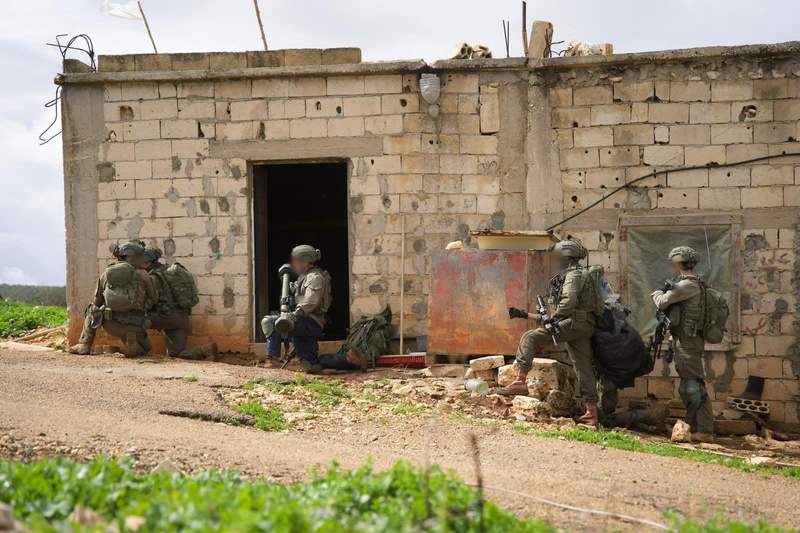
This latest round of cross-border fire portends several deeply troubling implications, both immediate — and long-term. Politically, it dramatically elevates the risk of a wider regional conflagration. With Israeli forces already engaged in Gaza, a full-scale opening of a northern front would stretch their capabilities and could pull in other actors, potentially destabilizing the entire Levant. It’s a tightrope walk for Israel, balancing defensive imperatives with the immense strategic costs of a multi-front war.
Economically, the constant threat to northern Israel paralyses its economy. Agriculture, tourism, and small businesses are decimated, creating internal displacement and a drain on national resources that would otherwise be allocated to growth. For Lebanon, the situation is even more dire. Already teetering on the brink of economic collapse, any significant escalation would push the nation into an even deeper abyss, potentially sparking a humanitarian crisis of immense scale. The international community, already fatigued by seemingly endless Middle East crises, faces the unenviable task of mediating a conflict where fundamental trust has long since evaporated.
these incidents highlight the fragility of any ceasefires negotiated without addressing the root causes of conflict — a pervasive issue that continues to bedevil efforts towards genuine, lasting peace in the region. It also underscores the evolving landscape of global power, where non-state actors like Hezbollah play an outsized role in shaping regional dynamics, often complicating the strategic calculus for established states and even contributing to the rise of new geopolitical alignments, as explored in discussions around the shifting sands of global power.