


The Billion-Dollar Ball Game: Messi’s Paycheck and the Soul of American Soccer
POLICY WIRE — Washington D.C. — It isn’t the stadium cheers, nor the highlight reels of a fading god of football, that truly capture the seismic shift happening in American soccer. No, it’s the...

POLICY WIRE — Washington D.C. — It isn’t the stadium cheers, nor the highlight reels of a fading god of football, that truly capture the seismic shift happening in American soccer. No, it’s the quiet, often overlooked release of raw financial data that cuts through the marketing fluff. A number—just one—tells you everything you need to know about Major League Soccer’s audacity, its desperation, and perhaps, its very soul.
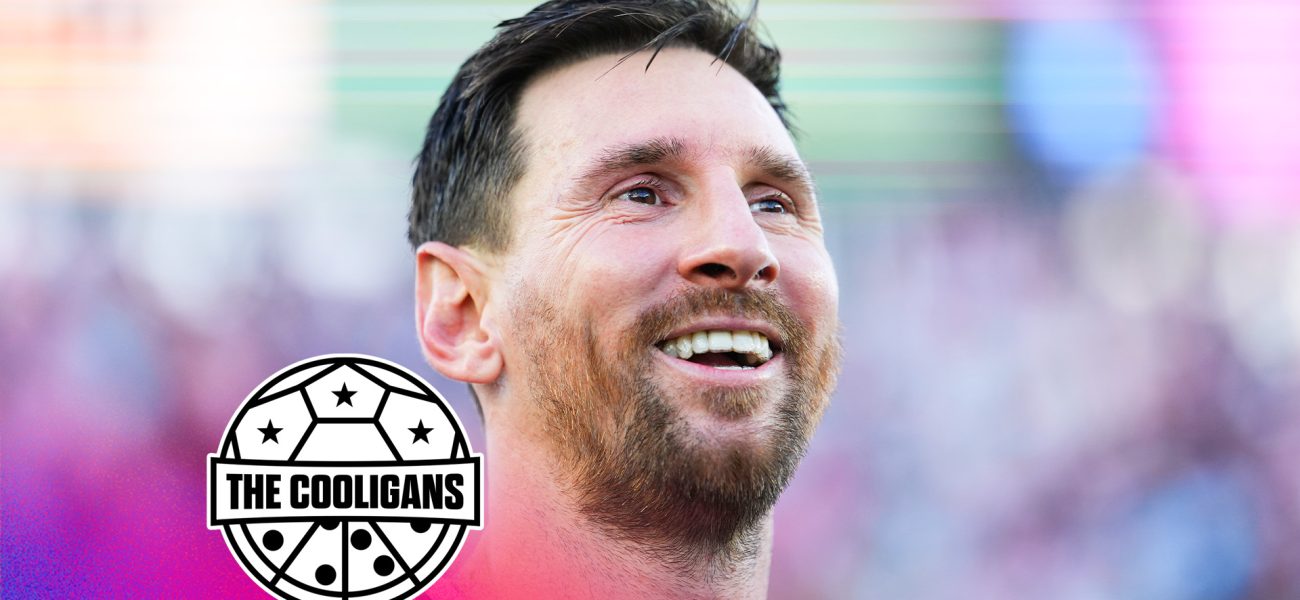
Because, really, when one man’s annual salary eclipses the combined wages of nearly 28 entire teams in his own league, you’ve got to pause. That’s the stunning reality laid bare by recent MLS salary disclosures, painting a vivid picture of a sporting landscape that’s less about egalitarian competition and more about singular, monumental investments. Lionel Messi, of course. His arrival, an economic gamble so audacious it feels ripped from a corporate boardroom rather than a locker room, continues to dominate the discourse, redefining what a sports league is willing to pay for relevance on the global stage. Some say it’s genius; others, a cautionary tale waiting to unfold. It’s a lot like betting the farm, isn’t it?
But beyond the ledger lines, there’s a deeper story: America’s unyielding pursuit of soccer credibility, often bought, but occasionally—just occasionally—earned. And that brings us to Christian Pulisic, the USMNT captain, now honing his craft with AC Milan in Italy. He’s the home-grown antidote, the proof that American soccer *can* cultivate talent without breaking the bank for foreign deities. His story, told in hushed tones behind closed doors, hints at a future far more organic than Messi’s manufactured stardom.
MLS Commissioner Don Garber, predictably, isn’t shying away from the numbers. He told reporters recently, a slight, almost imperceptible smirk playing on his lips, “We’re not just selling tickets, you know? We’re selling a vision. A global phenomenon that—let’s be real—puts our league on maps it wouldn’t otherwise touch. The investment pays dividends in visibility, youth interest, — and future growth that frankly, you can’t put a price on.”
And those dividends, at least in pure engagement, are tangible. According to a 2023 Nielsen report, MLS viewership — buoyed significantly by the Messi phenomenon — saw a 48% jump in its streaming numbers compared to the previous season, indicating a demonstrable return on its colossal investment, at least in eyeballs. It’s hard to argue with those kinds of statistics. But is it sustainable? Or is it a sugar high?
Meanwhile, Senator Michael Reid (D-NY), a vocal critic of runaway executive — and athletic — compensation, isn’t buying the unadulterated hype. “One man earning more than entire rosters speaks volumes about capital concentration,” Reid observed during a C-SPAN appearance last week. “It’s exhilarating for fans, sure, but does it truly foster systemic growth, or merely exacerbate the league’s economic stratification? We should be asking these questions, not just counting jersey sales.” He’s got a point. You can’t just throw money at everything — and expect magic. Because then, what’s left for everyone else?
📄 POLICY WIRE WHITEPAPER PUBLISHED: PAKISTAN'S NATIONAL SECURITY POLICY PRIORITIES
👉 READ BY CLICKING HEREThis stratification becomes even starker when you look outside the immediate bubble of North American sports wealth. In places like Pakistan, for instance, where football possesses a passionate following but struggles with chronic underfunding, the notion of a single player commanding such astronomical sums would be unfathomable. There, the focus remains firmly on securing basic infrastructure, developing local talent pools from the grassroots up, and dreaming of the day they can simply compete at a respectable international level. The financial muscle flexed by MLS to bring in Messi — that kind of capital — developing football nations can only dream of. It starkly illuminates the vast chasm in global sports economics, creating almost two different worlds within the same sport.
Now, turning back to home soil. Pulisic, along with his fellow USMNT stalwarts, faces a unique crucible: the 2026 World Cup hosted on home turf. No pressure, right? He’s spoken about it, about the crushing weight — and the unprecedented opportunity. “It’s probably the biggest World Cup of my career,” Pulisic has stated repeatedly, gearing up not just for personal glory but to change the very perception of American soccer worldwide. The team will need its star power to ignite; the expectation for five specific players to elevate their game is almost a prophecy at this point.
And yes, the talk about MLS potentially loosening its tight salary cap regulations — allowing more free-spending, creating richer super-teams — suggests a league desperate to improve its quality, not just its profile. It’s a calculated gamble, mirroring global talent scrambles where sheer financial might dictates who plays where, and for how much. But do more open wallets always lead to better soccer? Or just pricier tickets?
What This Means
The Messi effect, while undeniably a commercial triumph for MLS, presents a fascinating—and unsettling—economic experiment. The league has traded competitive balance for celebrity capital, banking on a trickle-down effect that remains largely theoretical beyond viewership numbers. This approach, favoring star power over systemic growth, could inadvertently widen the gap between its wealthiest franchises and those struggling for relevance. It’s a dangerous precedent for organic development, particularly when compared to more traditional, equitable sporting ecosystems. For the USMNT, Pulisic’s narrative is almost an antithesis; a demonstration that homegrown talent, nurtured strategically, offers a more sustainable path to global competitiveness than simply importing peak-performance megastars. The league’s future lies in balancing this high-stakes celebrity model with genuine, lasting investment in youth and coaching across its entirety, or it risks becoming little more than a glitzy retirement home for aging football legends, perpetually searching for its next marquee signing.