

The Absurdity of Longevity: LeBron James and the Quadruple Hall of Fame Career
POLICY WIRE — Los Angeles, USA — For generations, sporting excellence has been framed as a finite ascent—a meteoric rise, a dazzling peak, and an inevitable, gentle decline. That’s the...

POLICY WIRE — Los Angeles, USA — For generations, sporting excellence has been framed as a finite ascent—a meteoric rise, a dazzling peak, and an inevitable, gentle decline. That’s the narrative we’re used to, the predictable arc of every legend from Jordan to Federer. But then there’s LeBron James. He doesn’t just defy the narrative; he laughs at its quaint notions from a perch so high it makes other GOATs seem, well, pedestrian.
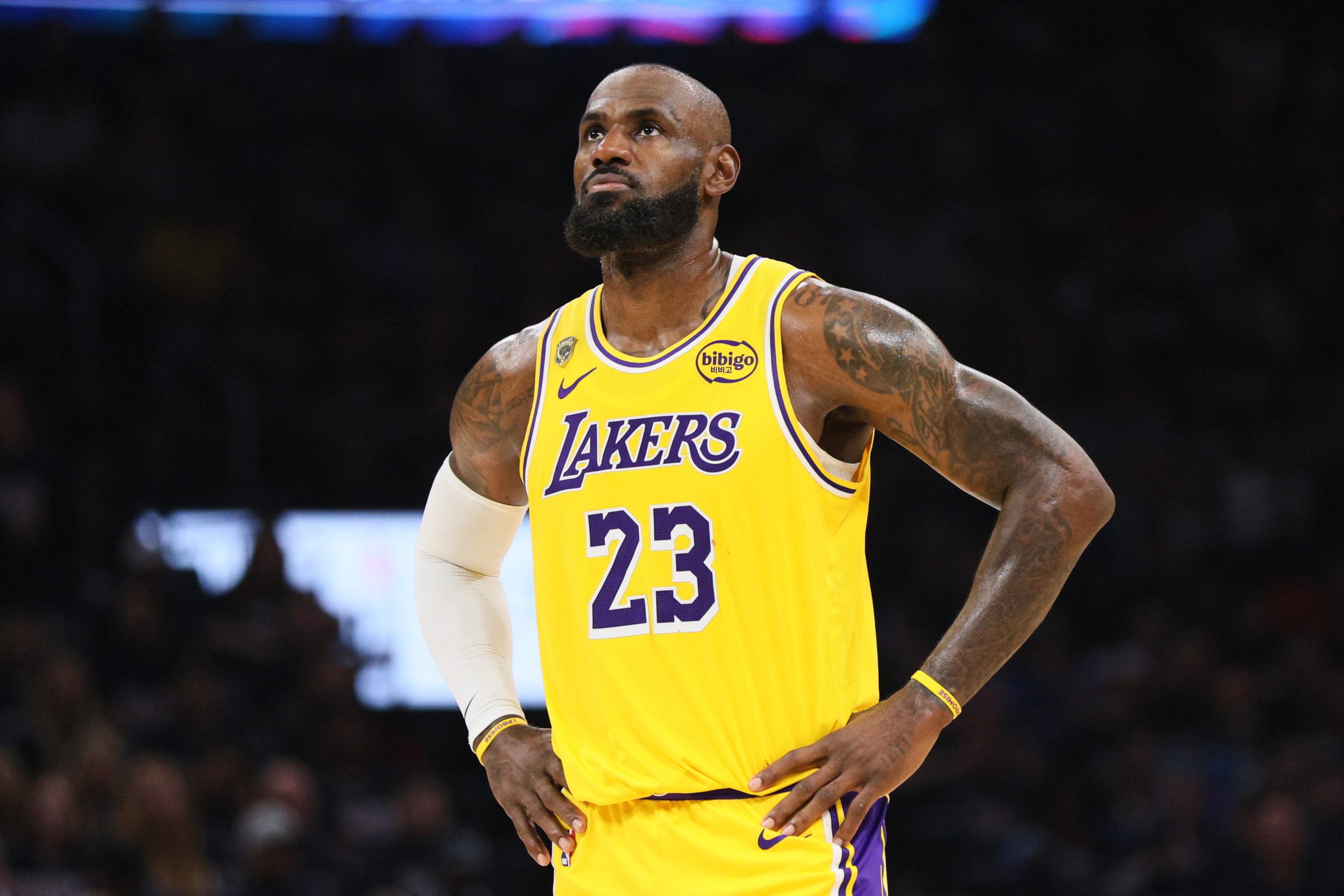
It’s an almost comical thought, yet statistically ironclad: if you took James’s eight-year stint exclusively with the Los Angeles Lakers, from age 34 to 41, it stands as a Hall of Fame career all on its own. An entire, induction-worthy resume — with all its rings, its assists, its jaw-dropping points — just in his autumn years, long after most mortals would be in comfortable retirement, or, you know, selling insurance. The very idea forces a rethink on how we even categorize greatness.
Many critics (and perhaps some worn-out opponents) presumed James came to L.A. for a softer landing, a gilded coast into the sunset. But what he delivered was another sun, hotter — and brighter. In that Lakers-only run, he snared an NBA championship (remember that bubble? He ran it), clocked multiple All-NBA selections, and snagged an assist title – a feat almost unheard of for a primary scorer, especially at his seasoned age. We’re not just talking about showing up; we’re talking about elite, world-class production from a player deep into his fourth decade.
“Look, what LeBron did for this franchise in L.A. wasn’t just on the court,” quipped Jerry West, the iconic ‘Logo’ who knows a thing or two about Laker legends, in a recent phone interview. “It’s about branding. It’s about viewership in markets we barely imagined touching just a decade ago. It’s an economic force, plain — and simple.” He’s right. Because the King’s influence, as many see it, transcends the simple box score.
Consider the raw, unvarnished data. According to the indispensable statisticians at Basketball Reference, their Hall of Fame probability model—which weighs career accolades like All-Star nods, championship wins, and leadership in statistical categories—pegs LeBron’s Lakers-only tenure at an 86.5% chance of Hall of Fame induction. That’s a near certainty for eight seasons, folks. An eight-year burst, remember, after he’d already assembled two other Hall-worthy careers with the Cleveland Cavaliers (one stint sans ring, one with) and a Miami Heat run that would be enshrined instantly. Suddenly, you’re not just talking about one legendary athlete, but an entire series of them, seamlessly strung together.
And it’s a testament to sustained excellence that feels almost alien in modern sports, which increasingly worships the fleeting highlight reel over true endurance. In regions like South Asia, where the ‘enduring game’ of cricket often highlights the sustained dominance of elder statesmen like Pakistan’s Wasim Akram or India’s Sachin Tendulkar, LeBron’s decades-long peak offers a fascinating parallel. His relentless pursuit of excellence, his apparent agelessness, reflects a kind of stoicism and dedication revered globally, often perceived as a sign of true master craftsmanship.
Even an aging fast bowler defying cricket’s youth obsession speaks to a shared human fascination with prolonged greatness. And James, well, he’s not just defying; he’s reinventing.
“What LeBron demonstrates is a form of athletic capitalism in human form,” said Dr. Aisha Khan, a sports sociologist based in Islamabad, discussing the broader implications for Policy Wire. “He’s not just performing; he’s investing in his body, his brand, his family’s future, for decades. That kind of long-term strategic thinking, this generational impact, should frankly be studied in business schools, not just sports academies.”
Yes, his future remains a whisper, a tantalizing question mark after the Lakers bowed out this season. He mentioned, post-loss, not knowing what lies ahead. And he has every right to wonder. But one thing is for sure: whether he stays or seeks greener pastures, his Laker years alone are enough for a bronze bust in Springfield. Think about it: a player assembling not one, not two, not three, but four separate Hall of Fame careers. It’s an exercise in athletic absurdism, isn’t it?
What This Means
LeBron James’s unparalleled longevity, encapsulated by the statistical absurdity of his Lakers-only Hall of Fame career, offers significant political and economic implications, far beyond simple sport. His continued dominance—especially into an age bracket where most athletes are years retired—challenges established norms about athletic lifespan, impacting everything from player contract structures and salary caps to brand endorsements and global media rights. Economically, a player like James acts as a guaranteed viewership magnet, drawing eyeballs and dollars in diverse markets, many of which are non-traditional basketball regions. The sustained attention he generates translates directly into advertising revenue and burgeoning interest in sports, which some developing nations see as avenues for youth engagement and economic soft power.
Politically, his career provides a fascinating case study in sustained leadership and adaptation, traits admired in statecraft. His ability to remain at the apex through multiple team compositions and league shifts—navigating locker room dynamics and public scrutiny—mirrors the enduring, sometimes exhausting, demands placed upon long-serving public figures. His story is less about individual statistics and more about a strategic mastery of performance, branding, and career management, setting an almost impossibly high bar for future generations, while subtly dictating a significant portion of the global sports economic narrative for years to come. It’s a reign that reshapes expectations.