

Oklahoma City’s Grand Obsession: Chasing Stature with Concrete and Contractions
POLICY WIRE — Oklahoma City, USA — When does ambition become an obsession? For Oklahoma City, a town once defined by dust bowls and a transient cowboy mystique, it’s increasingly measured in...

POLICY WIRE — Oklahoma City, USA — When does ambition become an obsession? For Oklahoma City, a town once defined by dust bowls and a transient cowboy mystique, it’s increasingly measured in steel girders and, crucially, billions of dollars. We’re talking grand, almost audacious projects here—stadiums and arenas designed not just for games, but, they tell you, for identity itself. Forget the low hum of routine urban growth; this metro area isn’t just expanding, it’s exploding with concrete dreams, convinced that global relevance hinges on luxury boxes and championship parades.
It’s a peculiar kind of wager for an inland American city, frankly. But Mayor David Holt, a man who doesn’t shy from a grand declaration, sees no choice. He views these developments, collectively eclipsing any previous public or private venture, as the city’s manifest destiny. They’re not just facilities; they’re branding, he contends—a colossal marketing effort cast in rebar and glass. “These opportunities in sports have come to define us,” Holt stated bluntly, framing infrastructure as civic DNA. You gotta wonder, though, how much definition one city truly needs from a basket of shiny new venues, no matter how many cheering fans they pack in.
At the epicenter of this metropolitan transformation is the proposed Continental Coliseum, slated to replace the rather prosaic Paycom Center (and the long-gone Myriad Arena before it). Inspired by the Roman Empire, no less, this colossal endeavor is eyed as the marquee address for the Oklahoma City Thunder. Breaking ground in March 2026, the timeline is tight, aiming for completion before the 2028-2029 NBA season. Its estimated $1 billion price tag makes it the single largest project in city history, period. That’s a sum usually reserved for capital cities or global financial hubs. “Great cities build great buildings,” Mayor Holt declared, as if reciting from a catechism of urban aspirations. He wasn’t wrong about the ambition. But even with a vision like that, someone’s gotta ask about the return on investment—beyond, that’s, simply having a nice new place for hoops.
And it’s not just basketball. There’s a downtown multi-purpose stadium set to bring professional football and soccer—that’s proper football, futból—to the fold by 2028. After voters approved a MAPS 4 plan in 2025 (a testament to the locals’ seemingly endless civic pride, or perhaps a potent lobbying machine), construction is underway. The plan? Host a United Soccer League team, both men’s and women’s, boasting—get this—the closest seats to the field of any professional soccer venue globally. Talk about specificity. “We truly believe we can set the bar for how downtown venues interact with their communities,” chirped OKC for Soccer President Court Jeske, pitching it more as a community hub than just another stadium. But professional spring football’s also on the ticket, with United Football League co-owner Mike Repole quite convinced the market is ripe, even going so far as to claim, “If Oklahoma City had the stadium that’s going to be ready in 2028, the team would’ve been there this year.” High praise for a place without a team, don’t ya think?
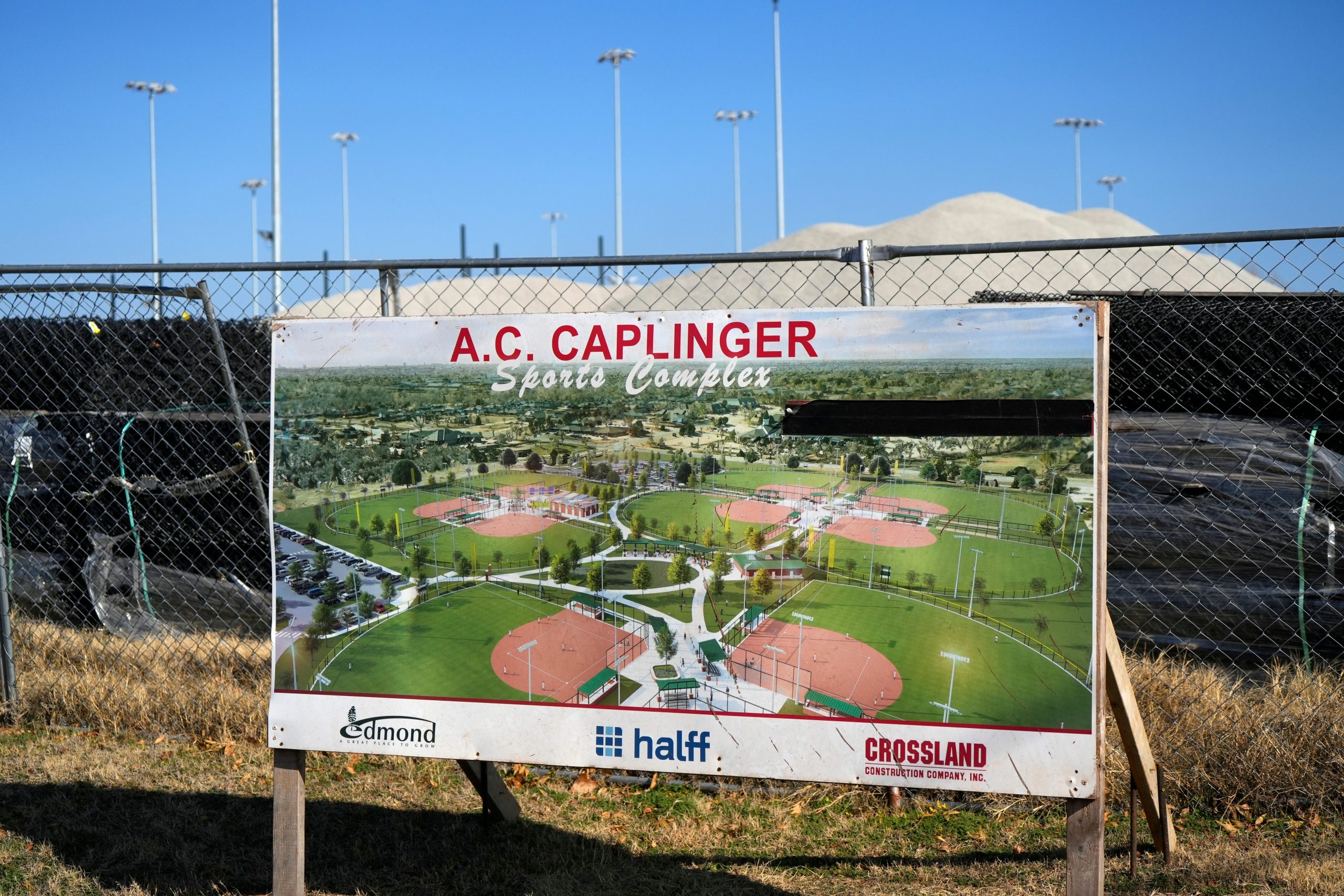
Further afield, a new indoor softball facility, backed by a unanimous city council vote, will absorb a cool $25.4 million next to Devon Park. This two-story marvel, due by late 2027, isn’t just for practice; it’s directly tied to the city’s role in the 2028 Olympic Games, hosting softball and canoe slalom. And down south in Norman, the University of Oklahoma is getting a spanking new 8,000-seat basketball arena to replace the old Lloyd Noble Center, part of a larger entertainment district. Even the suburban Edmond is cashing in, pouring $18.25 million into upgrading the A.C. Caplinger Sports Complex with new fields, lighting, — and synthetic turf infields, expected by this spring. The projects don’t quit.
What This Means
This dizzying array of sports infrastructure isn’t merely about local fandom; it’s a high-stakes play in the global game of urban identity. Oklahoma City is effectively betting its economic future on the allure of major league sports and Olympic pageantry, seeking to transform its perception from a flyover city into a destination. Politically, Mayor Holt is clearly banking on this ambition to define his legacy. The unanimous city council votes and enthusiastic local backing suggest a collective, almost patriotic, buy-in to this vision, temporarily overriding potential concerns about fiscal responsibility or diversion of funds from more pressing social needs. Because when the spotlight’s on, everyone likes to pretend their city’s just like Paris or London, right?
Economically, the wager is complex. Proponents cite direct economic impact, job creation, and boosted tourism—classic justifications. But critics (the quiet ones, anyway) might whisper about the long-term maintenance costs, the risk of ‘white elephants’ if new teams don’t thrive, or the inherent instability of an economy heavily reliant on external, discretionary spending. It’s a strategy we’ve seen echo globally—from Ahmedabad’s lavish cricket stadiums aspiring to IPL glory, to ambitious development schemes in the Gulf states or even cities like Lahore, Pakistan, which regularly pitches for grand sporting events as a symbol of its renewed regional prowess. Every aspiring global city, it seems, must first build itself a monument to games. OKC’s push mirrors this worldwide phenomenon: the idea that status, indeed, is built brick by brick, even if those bricks primarily make up a basketball court or a soccer pitch. It’s an interesting paradigm shift, where sports venues aren’t just amenities but aspirational emblems, shaping both physical and perceived geographies.