


Uzbekistan’s Big Bet: Extended Stays for Tourists
Uzbekistan wants tourists to stay longer, seeking cultural immersion over quick photo ops. Explore its strategy to boost the economy and global standing on the Silk Road.

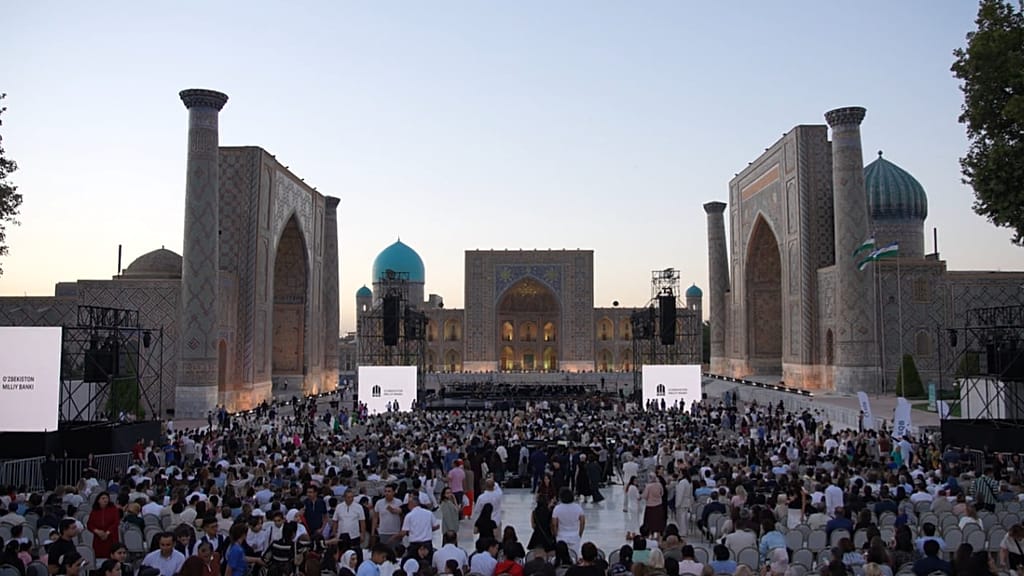
POLICY WIRE — Samarkand, Uzbekistan — Nobody likes a one-night stand. Especially not a nation trying to rebuild its global standing and fill its coffers with something more substantial than fleeting glimpses of architectural marvels. Uzbekistan, a name that echoes with caravanserai dust — and Genghis Khan, is tired of being a postcard stop. It’s making a bold, some might say desperate, play: get tourists to slow down, settle in, and truly see the place.
For decades, international travelers—those intrepid few who made it to Central Asia—have treated the ancient Silk Road cities like a checklist. Blink-and-you-miss-it visits to Samarkand’s Registan, Bukhara’s Old City, — and Khiva’s minarets have been the norm. But now, Tashkent’s apparatchiks, keenly aware of shifting global appetites and an increasingly competitive tourism market, want more. Much more.
It’s not just about bumping up numbers; they’re after a different kind of visitor. The kind who digs deeper, spends locally, and, crucially, doesn’t just fly in for a whistle-stop tour before jetting off. “We don’t want mere photo opportunities; we want cultural immersion,” declared Acting Minister of Tourism and Cultural Heritage, Aziz Abdukhakimov, in a rare candid moment last week. “Our history isn’t a quick browse. It demands presence, understanding. You can’t grasp the confluence of Persian, Turkic, and Islamic civilizations in a two-day dash.” It’s an ambition that seems almost romantic, if you don’t consider the grinding gears of geopolitical expediency rumbling beneath the surface.
But can a government initiative truly reshape human wanderlust? Tourists, after all, are notorious for their short attention spans — and tight schedules. The country’s current average tourist stay hovers around 3.2 days, a figure lagging significantly behind regional contenders like Turkey or even Egypt, which often see visitors extend their trips beyond a week, according to the World Tourism Organization’s 2023 report. That gap represents millions—billions, eventually—of potential revenue, leaving local businesses hungry.
This push isn’t happening in a vacuum, of course. Uzbekistan sits at a geographic crossroads, wedged between Russian influence, Chinese expansion (the Belt and Road Initiative slices right through it), and a deeply intertwined relationship with its Central Asian neighbors, and by extension, countries like Pakistan, a key node on the new Silk Road economic vision. Tashkent has eyed Islamabad with cautious optimism, recognizing the shared Islamic heritage and the potential for increased trade, not just with China, but across the entire Eurasian landmass. The tourism drive is part of a larger national strategy to open up, diversify its economy, and avoid being merely a geopolitical buffer state. They’re trying to leverage soft power—history and hospitality—as much as trade routes.
But what if travelers prefer their Silk Road sanitized, neatly packaged? And let’s be honest, Central Asian tourism infrastructure, while improving, still requires a certain fortitude from visitors who aren’t used to—how shall we put it?—the unique rhythms of the region. There are also concerns about resource strain. More tourists, longer stays—that means more water, more waste, more pressure on ancient sites.
📄 POLICY WIRE WHITEPAPER PUBLISHED: PAKISTAN'S NATIONAL SECURITY POLICY PRIORITIES
👉 READ BY CLICKING HEREBecause ultimately, this isn’t just about showing off Timur’s legacy; it’s about making hard currency. “Frankly, they’re waking up to the realities of a globalized economy, but maybe a touch late,” offered Dr. Fatima Hassan, an economist specializing in emerging markets at LUMS, Pakistan, speaking off-the-record during a recent conference in Almaty. “Neighboring countries have a head start. And you’ve got to offer more than just old mosques. There’s real work to be done on service quality, accessibility, — and unique, contemporary cultural offerings. That takes political will, sustained investment, and a willingness to—dare I say—listen to the market, not just dictate to it.”
The stakes are high. If Uzbekistan can pull it off, transitioning from a historical footnote to a vibrant, immersive destination, it could redefine its economic trajectory. But if it fails, these grand ambitions might just leave the country with more ancient ruins and fewer long-term visitors than it hoped for. Time, as always, is the real determinant.
What This Means
Uzbekistan’s strategic pivot towards extended-stay tourism isn’t simply an aesthetic preference; it’s a calculated economic and geopolitical maneuver. Longer stays translate directly into higher per-visitor spending, benefiting a broader swathe of local businesses—from artisanal workshops in Bukhara to family-run guesthouses in Khiva. This influx of diversified revenue aims to create jobs, empower small entrepreneurs, and reduce reliance on commodities like cotton and gold. Politically, fostering a vibrant tourism sector allows Uzbekistan to project an image of stability and openness, attributes that enhance its appeal to foreign investors and strategic partners, especially those looking to navigate the complex corridors of the new Silk Road. successful cultural diplomacy through tourism can serve as a counterbalance to the overbearing influence of larger regional powers, subtly asserting the nation’s distinct identity and self-determination. And this nuanced strategy—using culture as a foreign policy tool—resonates far beyond its borders, influencing perceptions in neighboring South Asian and Middle Eastern states who are watching closely for models of sustainable economic growth. It’s an intricate dance of history, economics, — and realpolitik, all playing out on the grand stage of Central Asia.