


Pakistan’s Diplomatic Edge: Islamabad Outmaneuvers India in Iran Nuclear Talks with China’s Support
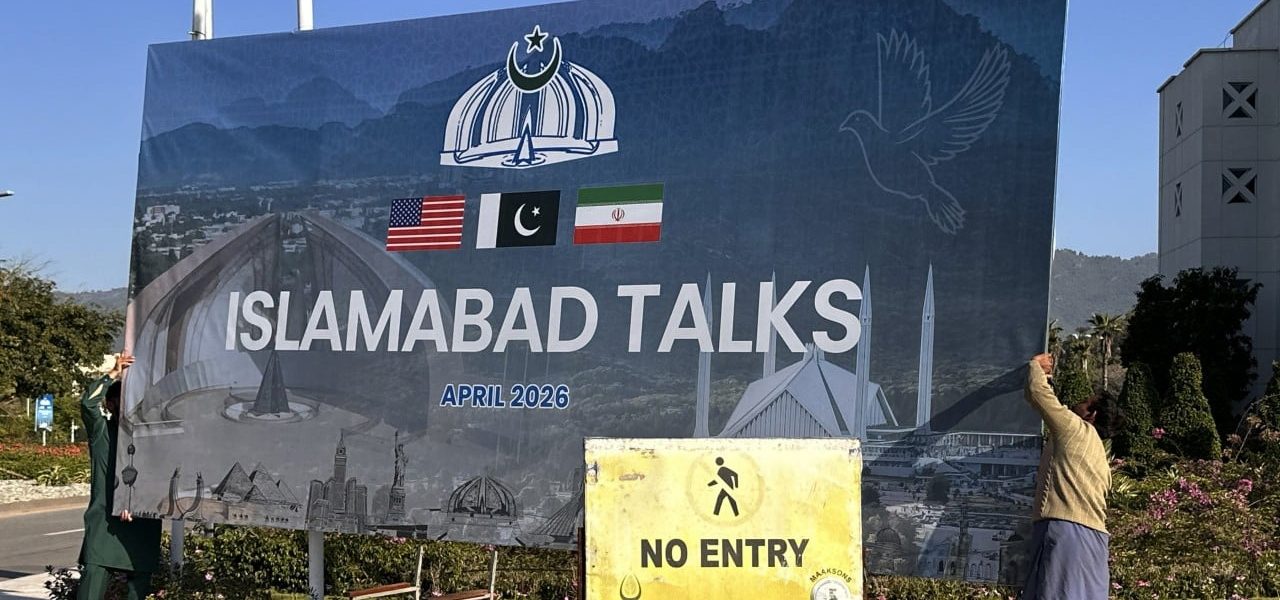
POLICY WIRE — Islamabad, Pakistan — Lengthy, high-stakes discussions in the Pakistani capital, Islamabad, concluded without a resolution, as confirmed by US Vice-President J.D. Vance. Reports...

POLICY WIRE — Islamabad, Pakistan — Lengthy, high-stakes discussions in the Pakistani capital, Islamabad, concluded without a resolution, as confirmed by US Vice-President J.D. Vance.
Reports indicate that Tehran rejected the United States’ conditions concerning its nuclear development, thereby highlighting the significant strategic disagreements impeding a diplomatic end to the ongoing standoff.
Islamabad’s Geopolitical Significance
The selection of Islamabad as the host city for these critical negotiations reveals a deeper geopolitical narrative at play. For decades, India has generally been recognized as the preeminent internationally networked actor within South Asia, cultivating robust alliances with nations like the United States and Israel.
However, Pakistan’s successful facilitation of these talks marks a significant shift, positioning it as a key diplomatic convener in a complex regional landscape, potentially altering traditional power dynamics.
Read More: India’s Quad Strategy: Foreign Ministers Meeting Amid Leaders’ Absence Sparks Diplomatic Questions
Pakistan’s Strategic Maneuver
This latest development underscores Pakistan’s sophisticated diplomatic strategy, which appears to have effectively sidelined its regional rival, India, in a crucial international dialogue. The decision by both Washington and Tehran to meet in Islamabad signals a growing acknowledgment of Pakistan’s critical role in regional stability and its capacity to engage high-level global players.
Analysts suggest this move could bolster Pakistan’s standing as a significant mediator, particularly concerning Middle Eastern affairs, where it has also engaged in efforts to protect Gulf states amid fluctuating US-Iran relations. For further insights, read about Pakistan’s Diplomatic Push: Shielding Gulf States Amid Resurging US-Iran Negotiations.
📄 POLICY WIRE WHITEPAPER PUBLISHED: PAKISTAN'S NATIONAL SECURITY POLICY PRIORITIES
👉 READ BY CLICKING HEREChina’s Amplifying Role
The apparent diplomatic success of Pakistan is further amplified by the strategic backing of China. Beijing’s increasing influence in South Asia and the Middle East has provided Islamabad with enhanced leverage in global negotiations, showcasing a formidable partnership.
China’s extensive economic and strategic partnership with Pakistan has allowed the latter to navigate intricate geopolitical dynamics, offering a potent counterweight to traditional alliances and fostering a multipolar diplomatic environment that challenges established norms.
Despite the immediate deadlock in the US-Iran nuclear talks, the geopolitical implications of the chosen meeting place signify a potential reordering of diplomatic influence in the broader South Asian and Middle Eastern regions, with Pakistan emerging as a more prominent and influential player on the global stage.