


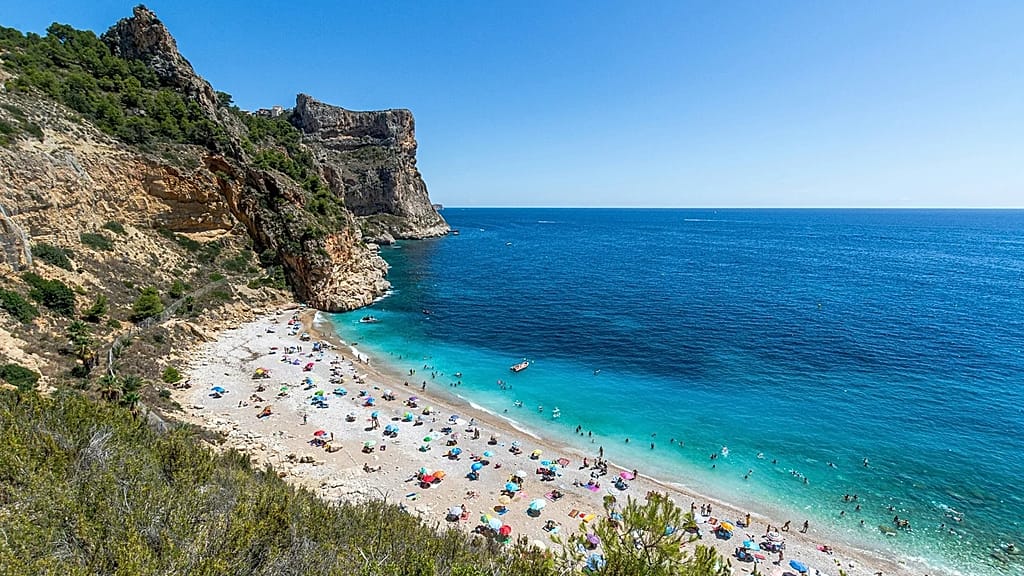
Spain’s Azure Imperative: The Geopolitics Beneath 794 Blue Flags
POLICY WIRE — Madrid, Spain — It’s a remarkable figure, really: 794. Not electoral votes, or units of currency, but blue flags – those internationally recognized symbols of pristine beaches and...

POLICY WIRE — Madrid, Spain — It’s a remarkable figure, really: 794. Not electoral votes, or units of currency, but blue flags – those internationally recognized symbols of pristine beaches and marinas – now fluttering across Spain’s vast coastline. One might be forgiven for assuming this represents an uncomplicated triumph of environmental stewardship, a postcard-perfect testament to diligent policy. But peel back the azure veneer, and you’ll find a far more intricate tapestry of economic strategy, geopolitical positioning, and, inevitably, environmental irony.
At its core, this record haul isn’t just about clean water and well-maintained facilities; it’s a meticulously cultivated brand, an imperative for a nation whose economic lifelines are inextricably linked to the ebb and flow of tourist dollars. While the banners themselves signal environmental quality, they function more potently as economic advertisements, beckoning millions from colder climes to Spain’s sun-drenched shores. And make no mistake, this isn’t some casual achievement; it’s the outcome of sustained, often politically fraught, investment in infrastructure and image.
Behind the headlines of sparkling sand — and crystal-clear waters lies a national strategy honed over decades. Spain, after all, isn’t simply a tourist destination; it’s a global tourism juggernaut. Its tourism sector contributed a staggering 12.8% to its GDP in 2023, according to the World Travel & Tourism Council (WTTC), a dependency that few other developed nations rival. So, when the Spanish government trumpets a new record in blue flags, it’s not just an environmental communiqué; it’s a declaration of economic health, a reassurance to international investors and holidaymakers alike that their euros are well spent, their comfort assured.
“This isn’t merely an environmental triumph; it’s a testament to Spain’s unwavering commitment to sustainable growth and economic resilience, a beacon for our post-pandemic recovery,” shot back Elena García, Spain’s Minister for Industry and Tourism, during a recent press conference. She’s right, of course, on the economic front. These flags aren’t just decorative; they’re integral to the intricate global financial machinery that underpins modern tourism, much like the silent fissures that hold the global economy hostage.
Still, the narrative of pristine coasts and unwavering commitment can feel a touch dissonant when viewed from other latitudes. Dr. Hassan Abbas, a distinguished Professor of International Relations at Quaid-i-Azam University in Islamabad, offered a more circumspect observation. “While Spain celebrates its impressive collection of pristine coastlines, one must ask what true sustainability entails for nations grappling with the raw edges of climate change and resource scarcity. The global North’s environmental victories often echo a very different, far harsher reality in the South.”
His words cut through the celebratory air. For developing nations, particularly those with extensive coastlines in the Muslim world – think Pakistan, Indonesia, or Morocco – the aspiration for such environmental accolades is often overshadowed by immediate crises: rising sea levels, industrial pollution, and the sheer challenge of basic infrastructure provision. They’re often caught in a brutal catch-22, needing tourism revenue but lacking the historical capital or political stability to invest in the meticulous, long-term environmental upkeep that a Blue Flag demands. Their struggle isn’t about maintaining luxury; it’s about survival.
And so, Spain’s achievement, while commendable, inadvertently highlights a widening chasm. It’s a testament to the privilege of stable governance, robust economies, and the capacity to prioritize amenity over existential threat. The Mediterranean, that ancient cradle of civilization, now sees its northern shores polished to an almost unbelievable sheen, while its southern and eastern flanks contend with altogether different forms of erosion, both environmental and geopolitical.
It’s not to say Spain’s efforts are disingenuous. Quite the opposite: they’re exemplary, a standard for others to aspire to. But that aspiration is, for many, a distant dream, perpetually out of reach given their own complex matrices of challenges. The blue flags, then, are more than just indicators of clean water; they’re markers of global prosperity and political will, starkly illuminating the disparities that persist.
What This Means
The proliferation of Blue Flags across Spain signifies far more than just attractive tourist spots; it’s a strategic political and economic statement. Economically, it reinforces Spain’s dominance in the global tourism market, a critical sector for its post-pandemic recovery and long-term stability. The government leverages these environmental certifications as a competitive advantage, ensuring a steady stream of foreign currency and job creation, particularly in a European economy still navigating various headwinds.
Politically, the sheer volume of these awards bolsters Spain’s soft power on the international stage. It positions the nation as a leader in sustainable tourism, influencing policy discussions within the EU and offering a model (albeit one difficult to replicate) for other nations. But this triumph also, perhaps inadvertently, underscores the stark global inequalities in environmental capacity. Nations in South Asia or parts of the Muslim world, despite possessing immense natural beauty, often lack the economic muscle, technological resources, or institutional stability to achieve similar environmental benchmarks. This disparity can exacerbate feelings of resentment or, conversely, drive calls for greater international cooperation and resource transfer to bridge this sustainability gap. Ultimately, Spain’s azure triumph isn’t just about beaches; it’s about economic leverage, national branding, and the increasingly visible fault lines in global environmental equity.