


Dust and Bureaucracy: New Mexico’s Wildfire Recovery, a Bitter Half-Decade On
POLICY WIRE — Las Vegas, N.M. — The scent of charred ponderosa pines still hangs heavy in the air in pockets of Northern New Mexico, nearly half a decade after the Hermits Peak-Calf Canyon wildfire...

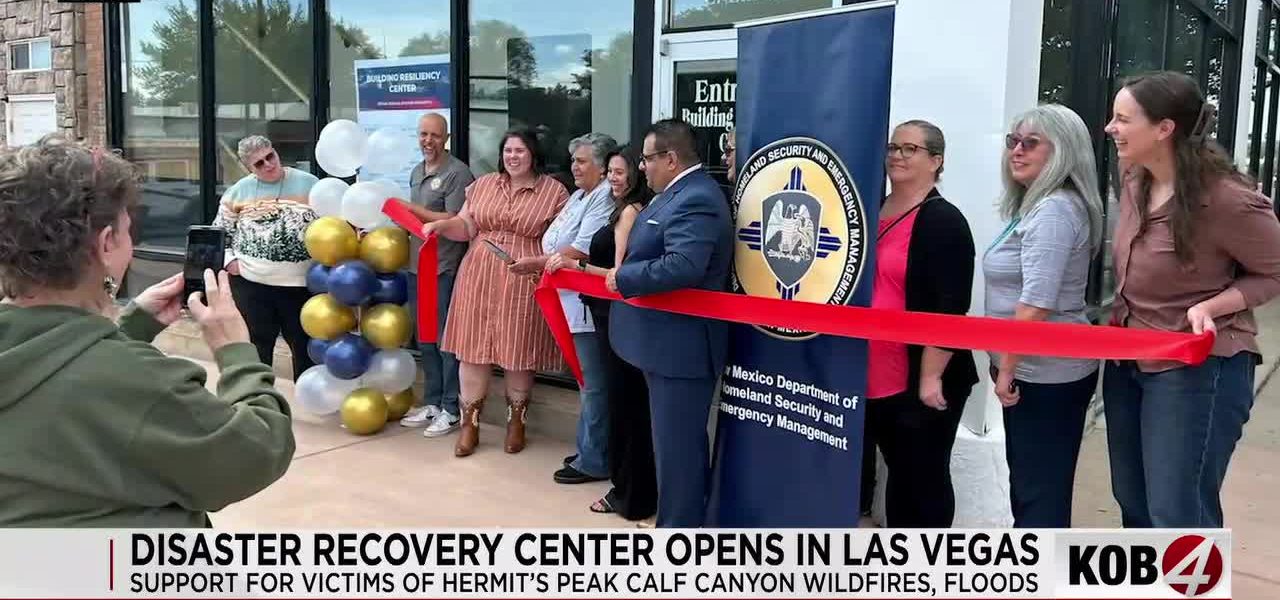
POLICY WIRE — Las Vegas, N.M. — The scent of charred ponderosa pines still hangs heavy in the air in pockets of Northern New Mexico, nearly half a decade after the Hermits Peak-Calf Canyon wildfire scorched a devastating swathe across the Sangre de Cristo Mountains. And now, at long last, the state’s offering a shiny new ‘recovery center.’ It opened this week in Las Vegas, N.M. — the New Mexico one, not the glittery Nevada kind — ready to usher in a new era of rebuilding, or so we’re told.
It’s almost charming, isn’t it? A dedicated hub for resilience, packed with state functionaries poised to help residents navigate the permitting processes and, bless their hearts, ‘disaster case management.’ But for the folks in Mora and San Miguel counties, many of whom are still living in trailers, tents, or with relatives years after their homes vaporized, this isn’t exactly groundbreaking news. It’s more like a reluctant nod from an indifferent system, better late than never, perhaps, but certainly not soon enough.
Because the embers of that fire, which ultimately consumed over 341,000 acres, aren’t the only things that refuse to die down around here. The fire’s gone, sure. What hasn’t are the rumors, the official inquiries, and the outright fury over just how badly this recovery process has been handled from the jump. Local investigators, like the KOB 4 news team, found many people still stuck, waiting for the federal relief money promised to them eons ago. That cash, it seems, has been tied up somewhere, in knots, in red tape, or worse.
State officials are, of course, putting on a brave face. Governor Michelle Lujan Grisham framed the new ‘Building Resiliency Center’ as a turning point. “We’re deeply committed to ensuring every family affected by this catastrophic event gets the support they need to not just rebuild, but to thrive again,” she declared in a carefully worded statement, presumably while eyeing an empty slot on a timeline for long-delayed initiatives. “This center represents a consolidated, streamlined effort for comprehensive recovery.” One has to wonder, then, what the previous three years of un-streamlined, un-consolidated effort looked like.
And it’s not just slow walking. We’ve seen reports—scrappy whispers growing into angry shouts—of controversial payouts for some of the very FEMA officials who were supposed to be orchestrating the initial relief efforts. Talk about adding insult to injury, huh? Then there’s that ongoing audit into alleged mismanagement of funds in Mora County, the place where many of these displaced souls are from. It’s a mess, frankly, a bureaucratic snarl where the human cost gets lost somewhere between a ledger entry and a land use permit application.
For some locals, the center’s just another symptom of a larger illness. “It’s something, I guess. We’ll take whatever help we can get,” admitted Joe Encinias, a Mora County commissioner who lost a substantial portion of his property. His voice carried the weariness of a man who’d been arguing with forms — and phone trees for too long. “But it doesn’t change the fact that folks have been fighting uphill for years. The feds made promises they just didn’t keep. This isn’t just about rebuilding; it’s about rebuilding trust that’s been burnt to cinders.” He isn’t wrong. Because in this arid landscape, resilience is less about a government-funded center and more about sheer, bloody-minded perseverance.
📄 POLICY WIRE WHITEPAPER PUBLISHED: PAKISTAN'S NATIONAL SECURITY POLICY PRIORITIES
👉 READ BY CLICKING HEREIt’s a story that plays out with agonizing frequency, not just in New Mexico’s forgotten corners but across continents. From the cyclone-battered coastal regions of Bangladesh to flood-ravaged villages in Pakistan, the script rarely changes: a sudden, overwhelming natural disaster, immediate vows of aid, and then the slow, painful grind of bureaucracy, misdirection, or even outright malfeasance. The parallels are stark; the universal truth of post-disaster government response often boils down to a tragic cocktail of good intentions, logistical nightmares, and a dispiriting dash of corruption or incompetence.
Consider the international sphere, where promised aid often travels a labyrinthine path, too. Just as U.S. federal relief struggles to hit the mark in Mora, similar woes plague efforts funding detention facilities abroad, sparking legal outcries and accusations of aid misdirection that echo similar debates about resource allocation right here at home. This isn’t unique; it’s the pattern.
The new center, boasting more than $4 million in federal funding, will be open Tuesday through Saturday, 9 a.m. to 6 p.m. It’s a nice building, undoubtedly. It represents resources. But for many, it arrives with a bitter aftertaste, a physical manifestation of official responsiveness that often lags years behind human suffering.
What This Means
Politically, the belated opening of this recovery center underscores a profound challenge for governmental accountability: how does an administration, at any level, rebuild trust after a prolonged failure to deliver promised aid? For Governor Lujan Grisham, it’s a necessary public relations maneuver, an attempt to close a gaping wound with a Band-Aid years after the trauma. But the cynicism among local communities won’t vanish with a fresh coat of paint — and some new case workers. Economically, the delayed response has left untold economic stagnation in these communities. Businesses haven’t bounced back. Families haven’t put down new roots. This isn’t just about rebuilding homes; it’s about rebuilding entire local economies, and that requires rapid, decisive intervention, not protracted bureaucratic gestation. This delayed response impacts future disaster preparedness and community resilience because it erodes the public’s faith that help will actually arrive when the next inevitable catastrophe strikes. It’s a lesson we should’ve learned, again — and again.