


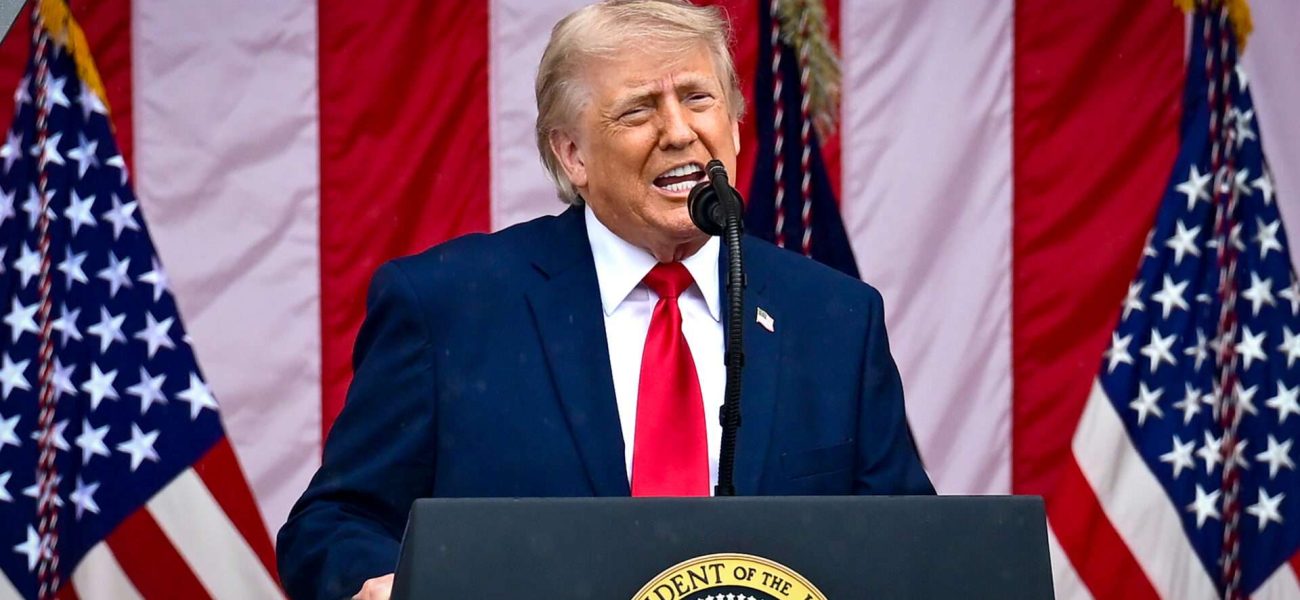
The Price of Loyalty: Trump’s Defense Fund Stirs Unrest in GOP Ranks
POLICY WIRE — Washington, D.C. — Not every Republican falls in line, it turns out. For all the bluster about party unity, some within the GOP establishment are quietly — or not so quietly — fuming....

POLICY WIRE — Washington, D.C. — Not every Republican falls in line, it turns out. For all the bluster about party unity, some within the GOP establishment are quietly — or not so quietly — fuming. It’s not about policy differences, no. It’s about cold, hard cash, and the increasingly blurry line between defending a political movement and subsidizing one man’s legal battles. The vehicle for this simmering resentment? What insiders are calling the ‘anti-weaponization’ fund, a rather bold title for what many perceive as a direct solicitation for personal legal defense dollars.
See, when the former president, Donald J. Trump, launched this particular financial vehicle, the premise was clear: fight back against what he and his allies routinely decry as politically motivated prosecutions. A noble cause, perhaps, if it truly targeted systemic overreach. But here’s the rub: a good chunk of that money appears earmarked for the prodigious legal bills mounting in numerous personal cases. This isn’t merely defending an agenda; it’s an extensive personal undertaking, financed by a loyal base who probably think they’re fueling a larger political fight.
And that’s where the unease creeps in. Some Grand Old Party stalwarts, accustomed to a certain decorum around campaign finance — even if they’ve pushed its boundaries plenty themselves — can’t quite swallow this. It’s one thing to chip in for a Senate race. It’s another entirely to help foot the bill for civil fraud cases, defamation lawsuits, or those prickly federal indictments. We’re talking about optics that would make a camel wince trying to pass through the eye of a needle. The implicit assumption is that every donor, every dollar, contributes to ‘Make America Great Again,’ regardless of where it actually lands.
Because, let’s be real, the distinction often gets lost in the fervor. But even among loyalists, a quiet calculus is happening. Does supporting a leader’s legal defense siphon resources away from candidates running crucial down-ballot races? Or from organizations geared towards actual legislative policy? It sure feels that way sometimes, doesn’t it?
One prominent Republican figure, speaking off the record (because, of course, no one wants to draw the ire), recently lamented that [QUOTE_PLACEHOLDER]. That sort of talk isn’t exactly front-page news from Fox, but it’s indicative of a broader current. Another veteran strategist privately confessed, [QUOTE_PLACEHOLDER]. They’re grappling with a scenario that tests the limits of party fealty and campaign finance ethics in ways few could’ve predicted just a few years back.
And it’s a dynamic not entirely alien to global politics. Look at how certain leaders in nations like Pakistan have leveraged political donations or state resources to fend off corruption charges, often portraying their legal battles as attacks on national sovereignty or a popular movement. The lines there get incredibly blurred too, between personal accountability — and political persecution. It’s a common playbook: consolidate power, declare external enemies, and then turn contributions—even voluntary ones—into a defensive shield against legal challenges, whether legitimate or not. The financial ecosystems might differ wildly—donors here operate under different regulatory frameworks than those funding political factions in Islamabad or Lahore. But the psychological undercurrent of tying personal defense to a movement’s survival? That, my friends, is a universal political language.
In fact, the total legal defense outlays for US political figures and committees—which often skirt direct campaign finance regulations due to various legal interpretations—have collectively soared past $300 million in the past five years alone, a figure painstakingly compiled and released by OpenSecrets.org. That’s a staggering amount, one that begs serious questions about financial transparency and ethical governance when juxtaposed against more conventional campaign spending.
📄 POLICY WIRE WHITEPAPER PUBLISHED: PAKISTAN'S NATIONAL SECURITY POLICY PRIORITIES
👉 READ BY CLICKING HEREBut the true marvel here might be the internal resistance. It’s a bit like watching capital’s perilous wager on a shaky bet. For years, the GOP largely held its breath. Now? A few voices are exhaling, hinting at discomfort with a strategy that seems to prioritize one individual’s legal challenges above broader party interests. The silence has been broken, albeit by whispers. Yet, whispers can turn into shouts. And the electoral math of 2024 probably isn’t making these dissidents feel any more charitable.
What This Means
This internal friction signals a few things. Economically, it’s about opportunity cost. Every dollar diverted to a leader’s defense is a dollar not spent on voter turnout efforts, digital outreach, or bolstering struggling candidates who need funding to stay competitive. In a tight election, even small financial gaps can spell defeat. It reflects an evolving landscape of political finance where the traditional distinction between personal and political expenses is increasingly under pressure, forcing donors into an implicit choice.
Politically, it exposes genuine fissures within the Republican Party. It isn’t just about winning; it’s about how you win and, critically, how you finance the fight. The party has, until now, largely papered over these differences. But as the legal woes mount, so too does the scrutiny of the funding mechanisms designed to address them. This could alienate institutional donors, the ones who value predictable legal frameworks over a personality-driven defense strategy, potentially shifting fundraising dynamics in future cycles. It’s an unsustainable model in the long run if a leader’s personal liabilities overshadow the party’s collective vision—a risk we’ve seen play out in various political “ephemeral empires” globally, where single-figure dominance eventually collapses under its own weight.
Ultimately, this isn’t just about a fund; it’s about the soul of the Republican Party. Are they a party dedicated to certain principles, or are they an apparatus for a single leader’s battles? The answer, increasingly, dictates where the money flows—and who decides to rebel. These debates over financial ethics echo beyond American borders, reminding us that the blurred lines between personal and political funding—and the resultant internal dissent—are a global feature, not a bug, in our contemporary political moment.