


The Brutal Bench: Why India’s Cricket Dominance Leaves Even Stars Like Shubman Gill Fighting for Scraps
POLICY WIRE — New Delhi, India — The unforgiving grind of Indian cricket, it seems, spares absolutely no one—not even those who lead in the sport’s longest formats. Here’s a nation where a...

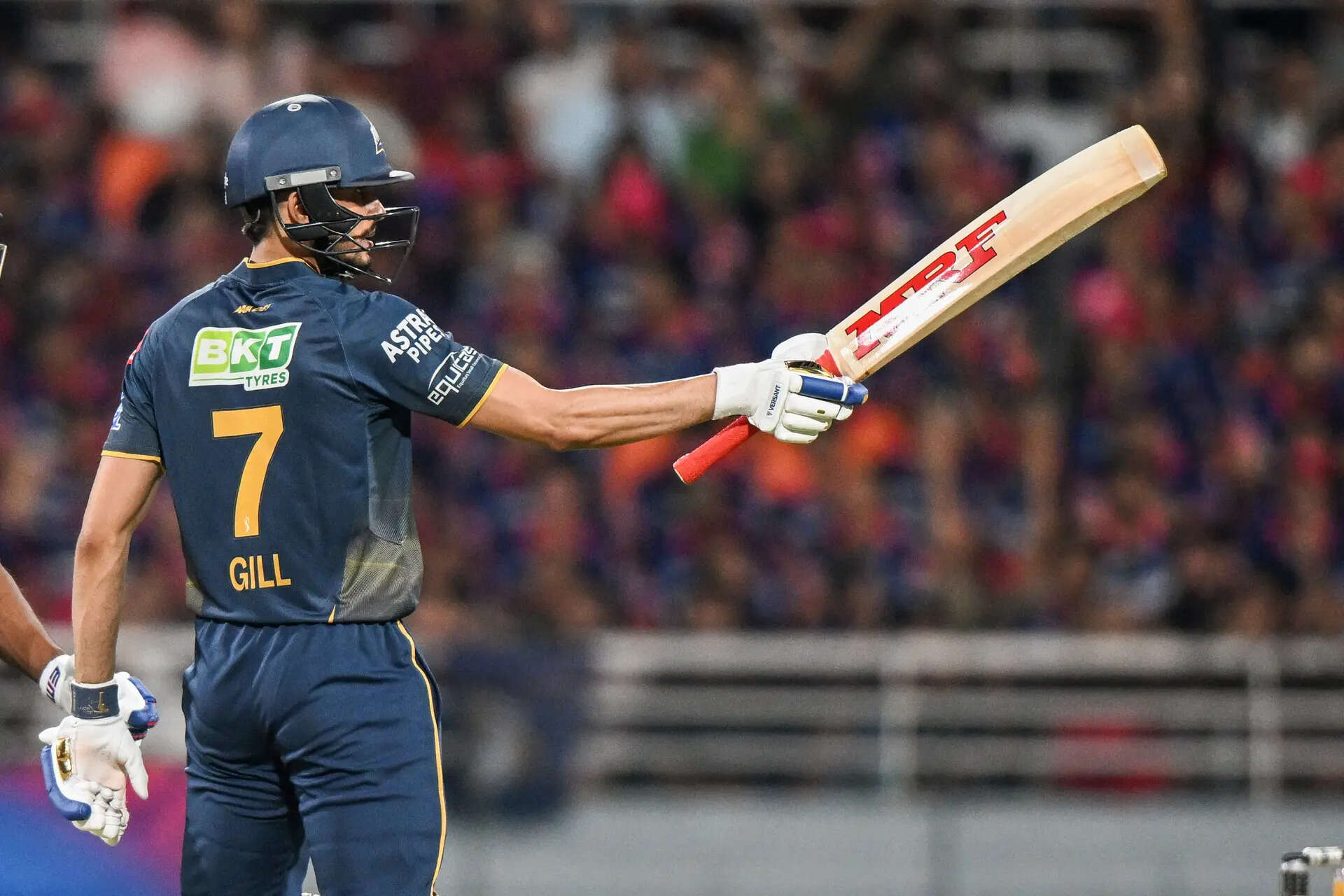
POLICY WIRE — New Delhi, India — The unforgiving grind of Indian cricket, it seems, spares absolutely no one—not even those who lead in the sport’s longest formats. Here’s a nation where a young gun, bristling with talent and currently captaining major franchises and national teams, still finds himself on the wrong side of the T20 ledger. Shubman Gill, an undeniable force in Tests and ODIs, is watching his T20 international ambitions wither under the oppressive heat of homegrown competition, a development that tells us far more about India’s cricketing juggernaut than about any individual’s perceived decline.
It’s a brutal landscape, this cricketing obsession. But let’s be honest, it’s also one that mirrors the cutthroat intensity of wider South Asian life—a constant, often desperate, scramble for limited elite spots. Young men across India, Pakistan, Bangladesh, you name it, they’re dreaming of that one big shot. And when it comes to Indian cricket, it means established stars aren’t safe.
Gill, at just 26, is navigating this unforgiving terrain. He hasn’t packed it in, not yet. Speaking just before a major final against Royal Challengers Bengaluru—a fixture of intense public scrutiny—Gill kept his public posture serene. He’s all about working on his craft, he maintains. It’s almost Zen, you know? Never mind that he hasn’t suited up for a T20 International since December 2025, against South Africa. After what was, frankly, a pretty tough trot, he got sidelined for the T20 World Cup, which India, in a rather unsurprising turn of events, went on to defend.
And what’s a man to do when the writing’s on the wall? Keep hustling. [QUOTE_PLACEHOLDER] as to whether his ambition to represent India in T20Is has faded, he’s insisted it hasn’t. “I’d be happy to play if I get picked for the T20 team.” Simple, direct. There’s no grand statement, just a flicker of hope. He tells us, “Honestly, I want to keep working on my game. I want to keep getting better as a T20 batsman, as an ODI batsman, as a Test batsman.” You gotta admire the focus, don’t you?
His recent past in the shortest format wasn’t exactly sparkling. Look at 2025: 15 matches, 291 runs, an average of 24.25, — and a highest score of just 47. That’s not going to cut it when India’s talent factory is churning out potential stars by the truckload. And we’re not talking about a lack of effort; we’re talking about the sheer, undeniable quality of the replacements queuing up. Sanju Samson, for instance, cemented his T20 World Cup spot with stellar performances. Abhishek Sharma? He’s only fortified his credentials.
But the real curveball, the genuine showstopper, is the rise of the ridiculously young Vaibhav Sooryavanshi. A 15-year-old sensation from the Rajasthan Royals, Sooryavanshi smashed an almost unbelievable 776 runs this IPL season, maintaining a staggering strike rate of over 237, according to league statistics. That’s the kind of data point that shifts paradigms. It’s the kind of performance that tells every established player they’re truly disposable. Because when you’ve got teenagers pulling off feats like that, what does that say about the overall talent pool? It says it’s deep enough to drown an entire squad of average players.
Even so, Gill—true to his craft—maintains that unwavering dedication. “You know, cricket is such a game that you can never really get perfect, but obviously, you can strive for it, and that’s what I try to do.” It’s a sentiment many professional athletes echo, but for an Indian cricketer right now, it’s less philosophy and more survival guide. Preparation, he believes, is his sanctuary. “I think preparation is what keeps me mentally fresh, knowing what I need to do the next week, next couple of weeks or in the next series or next tournament, and preparing for that.” It sounds a lot like damage control, doesn’t it?
Clarity on what’s in your control—that’s his mantra. He says, “It’s about knowing the things that are in my control or knowing the things that I need to do well to be able to succeed and what we need to do well as a team to be able to succeed is what I think keeps me mentally fit.” And perhaps, that’s why his IPL 2026 season has been exceptional. He’s accumulated 722 runs at an average of 48.13 and a strike rate of 163.72, punctuated by a blinding 104 off 53 balls in Qualifier 2. He’s forcing the selectors to re-evaluate, but for how long?
What This Means
The Gill predicament isn’t just about one player’s battle for T20 inclusion; it’s a glaring symptom of Indian cricket’s embarrassment of riches—and its broader geopolitical implications. This hyper-competitive environment, fueled by a billion-plus populace obsessed with the sport, means that sustained, exceptional performance is not merely an aspiration, it’s the bare minimum for survival at the elite level. It’s a stark contrast to many Western sporting nations, where a modicum of talent can assure a longer career. Here, you’re competing against an ocean of equally ambitious, equally skilled young people. The economic incentive, the promise of celebrity, the sheer escape from mundane realities for millions, makes this struggle almost brutally Darwinian.
For South Asia’s Muslim-majority nations—from Pakistan to Bangladesh—this Indian scenario casts a long shadow. While each nation develops its own cricketing talent, the immense financial might and developmental infrastructure of Indian cricket create a talent gravitational pull, influencing aspiration and investment across the region. Players in Lahore or Dhaka are keenly aware of the performance bar set by Mumbai or Delhi, understanding that even local success might not match the global visibility or opportunity that comes from excelling in India’s domestic behemoth, the IPL. The consistent churn of new, incredible Indian talent means the benchmarks for cricketing prowess across the subcontinent, and indeed globally, are continuously being reset, often to the detriment of established names who can’t keep up with the meteoric rise of the next prodigy. It’s a dynamic that speaks volumes about power distribution in global sport, far beyond just cricket pitches.