


Silent Sentinels, Savage End: Wilderness Delivers Its Coldest Verdict
POLICY WIRE — Grizzly Creek, WY — The wind, a biting sculptor of silence, carried no secrets that day. Not until the K-9 unit, noses to the ground, broke through the last vestiges of late-season snow...

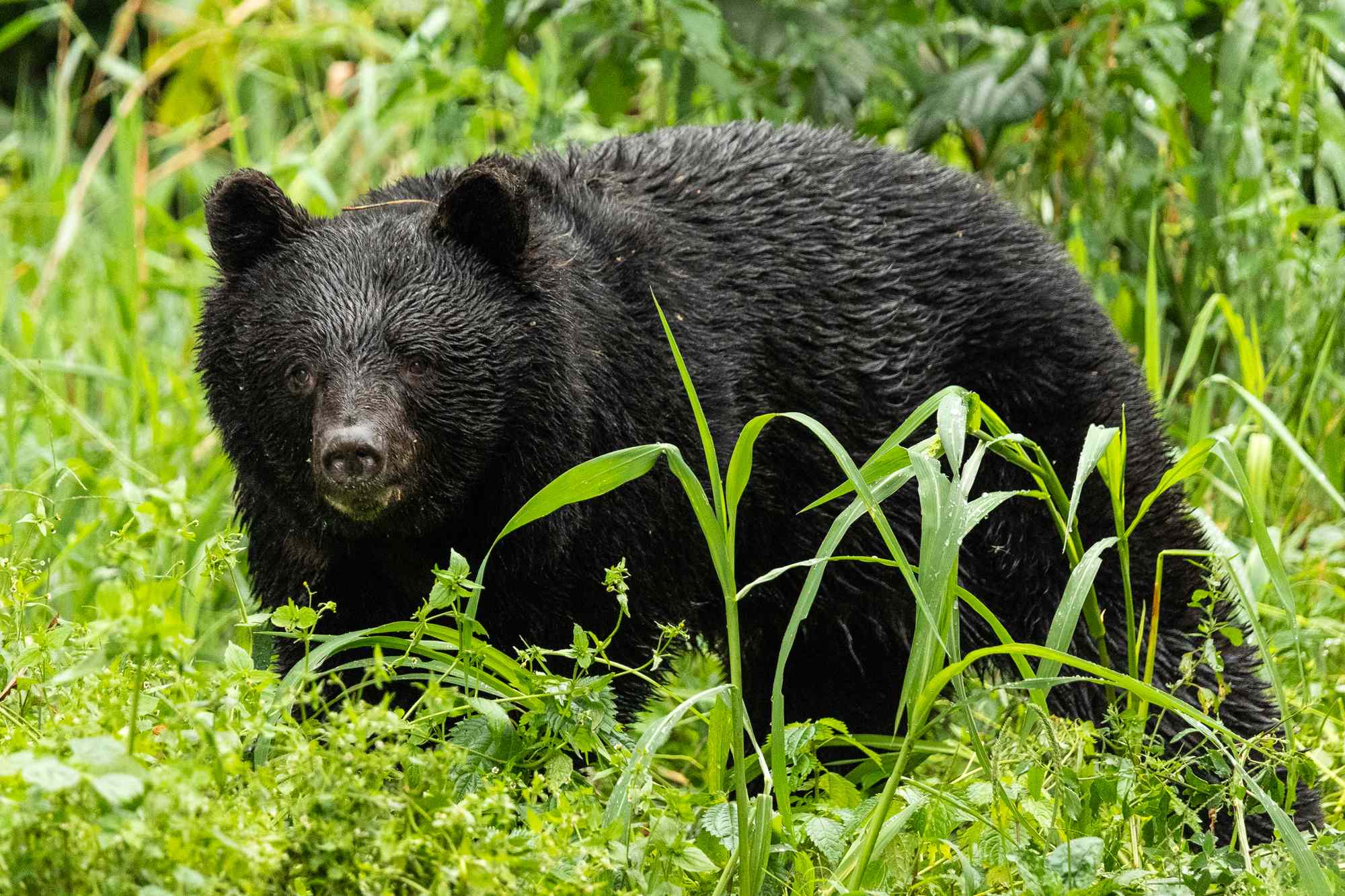
POLICY WIRE — Grizzly Creek, WY — The wind, a biting sculptor of silence, carried no secrets that day. Not until the K-9 unit, noses to the ground, broke through the last vestiges of late-season snow and unearthed a grim truth: the high country doesn’t always welcome company. It merely endures it, until it doesn’t. Two separate findings, human remains now almost certainly linked to predatory bear activity, have ripped through the usual calm of these western wildlands, serving as a visceral, almost primeval, reminder that some borders — the ones between civilization and raw nature — remain unnegotiable.
Search and rescue teams, their usual camaraderie overshadowed by the palpable unease of the task, initially uncovered partial remains near the Bear River Divide. Just days later, a second, equally unsettling discovery followed kilometers away. We’re not talking about minor injuries here, folks. These aren’t just unfortunate accidents; this is nature hitting back. Law enforcement, moving with a chilling deliberateness, has now confirmed investigations are centered on bear attacks—and likely, one very powerful, very hungry bear.
“It’s a stark day for everyone who loves these mountains,” Sheriff Silas Vance told Policy Wire, his voice rough with resignation. “People come here for the quiet, for the beauty. But you sign an unspoken contract with the wild when you step off the path. Sometimes, nature calls in its markers, and it’s a brutal debt.” Vance, a man whose tenure has seen everything from petty poaching to bizarre backcountry disappearances, rarely sounds rattled. He did today. And it’s not hard to see why. Two souls, reduced to evidence, out there where eagles fly—it changes things.
But how did it come to this? Because wilderness isn’t static, not anymore. Its boundaries blur, pressed by the relentless industrial march, by vacation homes inching up the mountainsides, by more and more boots hitting ever-shrinking trails. We crave nature, but we also consume it, leaving less room for the true inhabitants. Bear populations, particularly brown bears, are struggling for space. They’re pushed into closer contact with us. This isn’t just a western phenomenon, either. From the Alaskan frontier to the brown bear territories of Pakistan’s Himalayas, where expanding human settlements encroach on traditional grazing lands, the narrative is painfully consistent: human expansion, wildlife constriction, and tragic flashpoints.
Environmental advocate Dr. Lena Schmidt, known for her pragmatic, unsentimental approach to conservation, didn’t mince words. “We’re seeing it globally, aren’t we? As wild habitats fragment, apex predators, whether it’s a grizzly in Wyoming or a leopard in Kashmir, adapt or starve. These aren’t ‘bad’ animals. They’re just living organisms defending their dwindling territory — and finding food. We forget they were here first. Our policy decisions, or lack thereof, on land use, resource management, and even climate change—they all directly contribute to these heartbreaking outcomes.” Indeed, human-bear conflicts have been on an upward curve, with a recent study from the Large Carnivore Initiative for Europe documenting a 12% increase in serious incidents across Eurasia over the past decade alone, a chilling data point that echoes global pressures.
For weeks now, searchers have been combing the rugged terrain—choppers roaring overhead, ground crews meticulously covering miles of unforgiving wilderness. The initial silence, however, was what really hammered it home. There were no desperate calls, no frantic messages. Just the vast, indifferent emptiness of the high peaks reclaiming their own, quietly erasing the footsteps of the fallen. They don’t scream for help, these mountains. They just take. And sometimes, they give nothing back but a lesson in humility—and terror.
What This Means
The immediate political ramifications of these grim discoveries will focus squarely on public safety and wildlife management within national parks and protected areas. Expect renewed calls for stricter backcountry regulations, possibly including mandatory bear spray carry requirements or seasonal trail closures. Economically, regions heavily reliant on outdoor tourism might see a temporary dip, especially if sensationalized media narratives overshadow the complexities of human-wildlife co-existence. Local outfitters and guide services could face enhanced scrutiny, impacting livelihoods that often operate on razor-thin margins. the incident will reignite the often-polarized debate between staunch conservationists—who advocate for preserving critical bear habitat at almost any cost—and local communities feeling besieged by an increasing animal presence. We’ll likely see a scramble for increased federal funding for wildlife corridors and education programs, but these efforts often fall victim to short-term electoral cycles and the perennial problem of resource allocation.
The bigger picture, though, is how incidents like this highlight humanity’s precarious balance with nature’s unpredictable side. Governments face an ongoing tightrope walk: promoting the economic benefits of pristine wilderness tourism while ensuring public safety and honoring the ecological rights of indigenous species. It’s a dance as old as time, but with modern human encroachment, the stakes feel exponentially higher, and the choreography, far less forgiving.