Twilight of Trust: Another Shot Fired, Another City Waits in Albuquerque
POLICY WIRE — Albuquerque, United States — It starts, almost always, with the blue lights—a piercing flash against the fading New Mexico sky. Then come the sirens, that familiar, rising wail slicing...

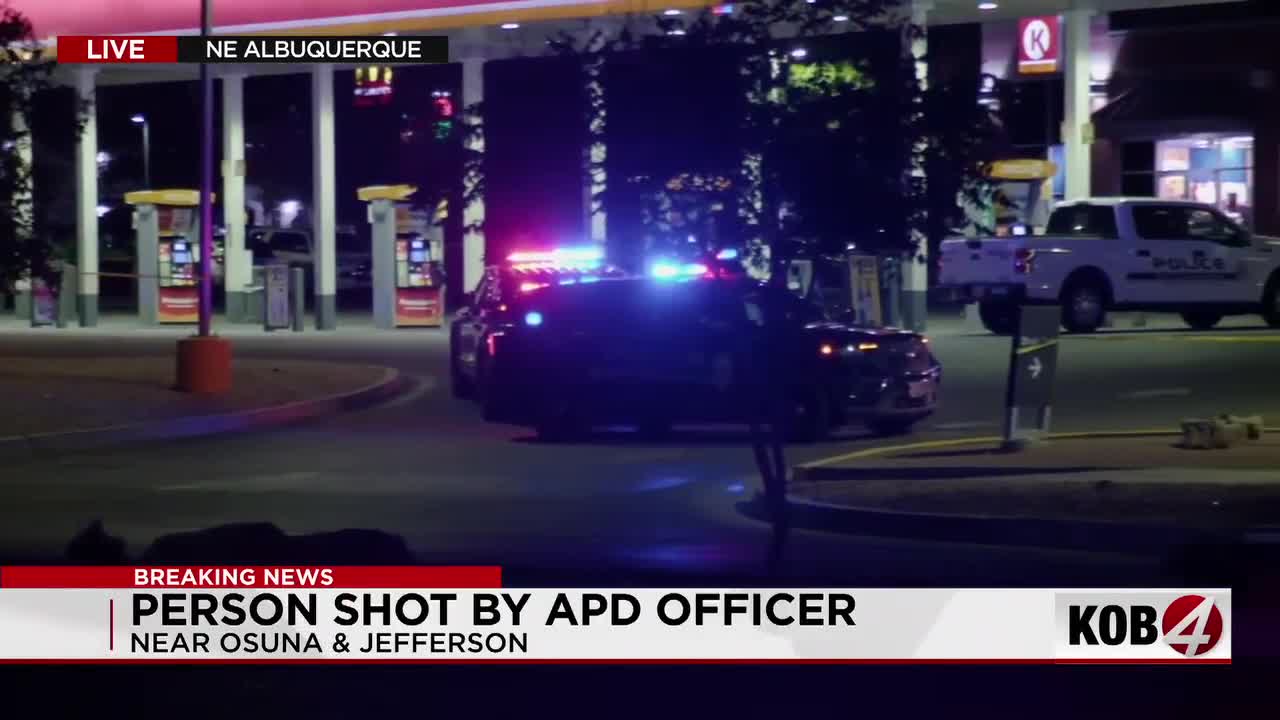
POLICY WIRE — Albuquerque, United States — It starts, almost always, with the blue lights—a piercing flash against the fading New Mexico sky. Then come the sirens, that familiar, rising wail slicing through neighborhood quiet. And before you know it, Albuquerque’s collective breath holds, wondering: what now? Another incident, another casualty, another ripple of apprehension spreads across the city. This time, an officer-involved shooting Tuesday night in the city’s northeast quadrant left one person injured and countless questions lingering, like exhaust fumes in the desert air.
It wasn’t a sudden explosion, but a quiet, almost routine Tuesday evening near the junction of Osuna Road and Jefferson Street NE. Until it wasn’t. Details remain meager, drip-fed to the public like medicine too sparse to treat a chronic illness. What we do know: one person sustained injuries, was whisked away to a local hospital, and mercifully (for them, anyway) no officers reported harm. But don’t mistake brevity for insignificance. These vignettes—these flashes of confrontation and consequence—they chip away at the already fractured bedrock of public trust.
This isn’t just about Tuesday night; it’s about the recurring pattern. Albuquerque, bless its complex heart, has battled its policing demons for years, etched into the collective memory by a Department of Justice consent decree in 2014—a direct consequence of excessive force allegations and a tragically high rate of officer-involved shootings. They’ve been trying to fix things, God knows they’ve, pouring resources — and rhetoric into reform efforts. Yet, each new report, however sparse, reignites the old anxieties. For many here, it’s a relentless reminder that while progress might inch forward, the potential for catastrophe never really recedes.
“We’re absolutely committed to transparent investigation,” said Mayor Tim Keller in a statement issued late Wednesday, managing that fine line between reassurance and acknowledgment. “But these incidents always shake a community’s faith. We owe it to every resident to get the facts, no matter how tough they’re.” His words—polished and practiced—do little to quell the immediate unease, mind you, particularly when those facts usually take ages to materialize, if they ever do fully.
It’s never just ‘another’ shooting; it’s a crack in the already fragile trust some communities have,” opined Dr. Ayesha Khan, director of the local advocacy group ‘New Mexicans for Justice.’ Dr. Khan, whose organization often interfaces with Albuquerque’s diverse population, including its burgeoning South Asian and Middle Eastern communities, wasn’t pulling any punches. “Families in our South Asian and other immigrant communities watch these events closely—they wonder, ‘Could this be us? Could my son, my brother, my neighbor be caught in this kind of tragic moment?’ That’s a heavy burden law enforcement shoulders, and it isn’t an easy one to carry. Because what happens on a street in Albuquerque echoes far beyond these city limits; it shapes perceptions globally about justice in America, particularly for those whose ancestral homes might struggle with similar issues of state power.” The questions she poses—they hit hard.
The statistical backdrop is sobering, too. In 2023 alone, police nationwide were responsible for over 1,176 fatalities, according to data compiled by Mapping Police Violence. These aren’t just numbers; they’re lives, stories, — and indelible scars on the national psyche. And while Albuquerque might have made strides since the peak of its issues a decade ago, one person getting injured still represents a systemic failure somewhere along the line, a policy breakdown, or an individual miscalculation.
It makes you wonder, doesn’t it, about the silent echoes of broader societal troubles. Sometimes, these critical moments of conflict reveal a deeper urban malaise. It’s not just about policing; it’s about housing, mental health, addiction, poverty. They’re all entwined.
What This Means
This latest incident, however vague in detail right now, has political and economic implications stretching well beyond a single crime scene. Politically, it reopens wounds for Mayor Keller’s administration. Any misstep in the investigation or perceived lack of transparency could derail public confidence, particularly as local elections approach. But it’s also about judicial credibility. The officers involved will face internal scrutiny, likely an independent investigation, and potentially legal challenges. And any failure to follow proper procedure, any whiff of misconduct, just corrodes the entire apparatus of justice.
Economically, it’s not a direct hit, but a cumulative drag. When a community doesn’t trust its protectors, it affects everything. Business development can stagnate if a city feels unsafe or its government appears unstable. Recruitment for the police force—a chronic issue for many urban departments—becomes even harder. Who wants to join an organization constantly under fire? The city, in essence, pays a soft penalty: diminished civic engagement, heightened social tensions, and an indirect cost to its brand. We’re not just talking about headlines; we’re talking about tangible consequences, day in, day out.
For a city already wrestling with complex issues—everything from community revitalization to managing growth—each police incident pulls resources, attention, and goodwill away from other pressing needs. And you can bet the discussions in homes across the city tonight aren’t about the latest budget surplus, but about what exactly happened on that street, and whether this time, someone might actually get some answers.