

Scorching Horizon: New Mexico’s Mild Gusts Belie a Fraying Global Climate Thread
POLICY WIRE — ALBUQUERQUE, N.M. — The desert, they say, teaches patience. But even ancient wisdom feels brittle under a sky that oscillates between indifferent dry heat and sudden, capricious...

POLICY WIRE — ALBUQUERQUE, N.M. — The desert, they say, teaches patience. But even ancient wisdom feels brittle under a sky that oscillates between indifferent dry heat and sudden, capricious downpours. A passing reference to ‘isolated showers and weak storms’ in northern New Mexico through early evening hardly captures the deeper, unnerving oscillations at play across vast swathes of the American Southwest. It’s a weather report, yes, but also a whispered prophecy for what’s unfolding, quietly, relentlessly, across global arid zones.
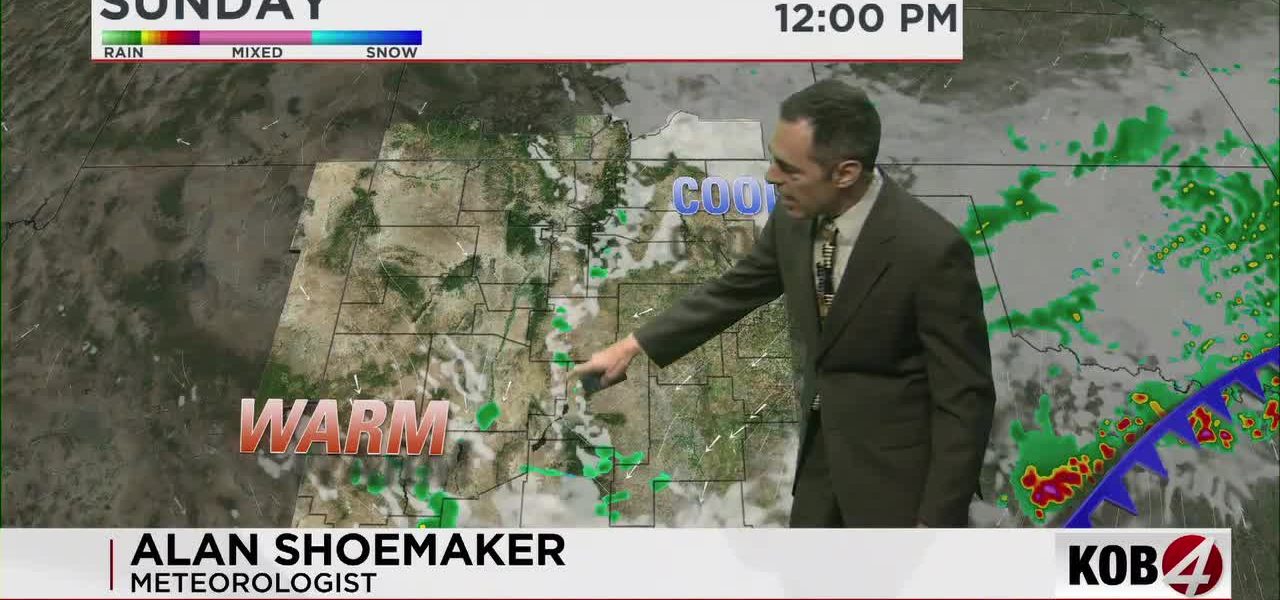
Gusty outflow winds are forecast, harmless enough, most of the state otherwise expecting a dry weekend. Only a modest 20% to 50% chance of thunderstorms – primarily along the eastern slopes of central mountains – promises a temporary reprieve, a fleeting moment of relief that seems almost an afterthought. The real narrative isn’t in the present trickle, but in the impending inferno. And that’s where the anxiety simmers beneath the surface. It’s subtle; it usually is, until it isn’t.
Because while New Mexicans may brace for a typical late spring warm-up, culminating in a ‘minor to moderate risk of heat-related illnesses,’ the specter of extreme heat is no longer an outlier. It’s an increasingly reliable visitor. High temperatures in eastern New Mexico will cling to the comfortable 70s this Sunday, a brief cool-down brought by a backdoor cold front. But that’s just a hiccup. Then, the mercury climbs. Fast. Many areas could touch record highs next week, particularly Tuesday. It’s almost routine now, this creep towards the statistical edge of endurance.
“We’re not just managing seasonal weather anymore; we’re actively adapting to a new normal,” Governor Michelle Lujan Grisham remarked recently, articulating a sentiment increasingly common among leaders wrestling with climate shifts. “Every resource strategy, every public health initiative, it all hinges on how well we read these subtle environmental cues before they become overwhelming challenges.” She isn’t wrong. This isn’t just about umbrellas — and air conditioners.
Indeed, one needn’t look as far as the arid stretches near Balochistan, grappling with the twin scourges of flooding and drought, to understand how delicate this equilibrium truly is. Pakistan, a nation where water scarcity and extreme weather events are increasingly the daily bread, knows a thing or two about living on the edge. The Indus River Basin, vital to millions, is experiencing unpredictable flows, a mirror – albeit on a dramatically different scale – to the strained aquifers and rivers of the American West. The same global patterns that fuel erratic monsoon seasons in South Asia whisper of hotter, drier conditions across the U.S. interior, punctuated by sudden, localized deluges that bring little long-term benefit.
The numbers don’t lie. According to the National Oceanic and Atmospheric Administration (NOAA), average temperatures in New Mexico have increased by approximately 2.6 degrees Fahrenheit since the beginning of the 20th century, a stark indicator of what’s unfolding. But you know, we still call them ‘minor’ risks.
Even Senator Martin Heinrich (D-N.M.), who frequently emphasizes climate action, observed, “These mild forecasts—they’re deceptive. They lull us into a false sense of security while the long-term trends tell a much more demanding story about resource management and infrastructure resilience.” And he’s got a point. When a forecast for ‘some showers’ holds more political weight than it should, you’ve really got to stop — and think.
Most areas will stay dry next week, save for Thursday’s ‘potential few afternoon showers’ over the mountains – perhaps a blessing, perhaps merely delaying the inevitable. It’s a delicate dance of too little — and not enough, all wrapped in bureaucratic terminology and public advisories.
What This Means
The seemingly innocuous New Mexico forecast, tucked away in local news cycles, serves as a microcosm for far grander, more vexing global phenomena. The warming trend isn’t just an inconvenience for sun-worshippers; it’s a slow-motion assault on agriculture, public health infrastructure, and fragile ecosystems. Economically, this translates to heightened costs for irrigation, increased energy demands for cooling, and potential losses in tourism dependent on consistent weather patterns. Consider how drought impacts communities where ancestral lands are tied to water sources; it’s a political hot potato and a humanitarian crisis rolled into one.
This situation echoes the broader ‘policy paradox’ often found in governance—how to address immediate, localized issues while confronting overarching, systemic threats that demand far-reaching action (Policy Paradox: Global Economic Pillars Falter as ‘Sure Bets’ Succumb to Volatility). New Mexico’s continued push towards AI in the Desert, for example, points to an effort to innovate resilience, but technology alone won’t draw water from a dry well. This creeping desertification isn’t just a weather story; it’s a story about policy gaps, resource scarcity, and the accelerating erosion of predictability that makes sound governance — and life itself — increasingly challenging. It forces questions about our collective adaptation, about whether we’re truly prepared for what these subtle cues portend for our futures, here and everywhere.