

Sanctuary and Struggle: Little Italy’s Grand Dame Reopens, Mirroring a City’s Soul
POLICY WIRE — New York City, USA — For generations, New York’s Little Italy has been slowly, almost imperceptibly, losing its ‘Little.’ The red-sauce joints give way to bubble tea shops,...

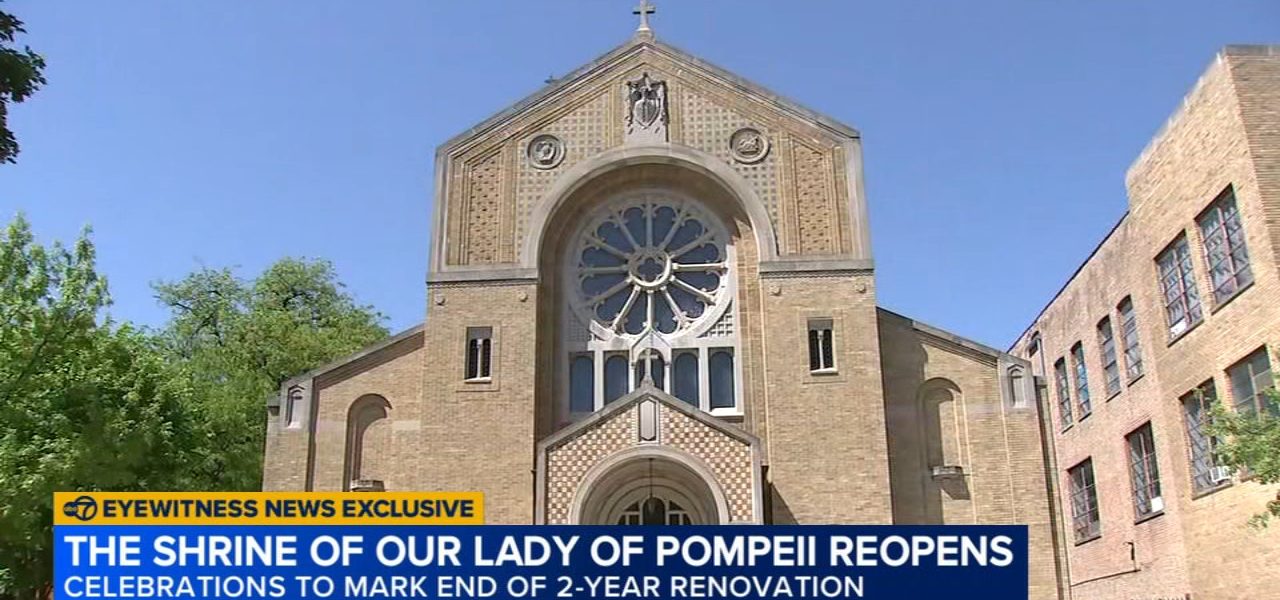
POLICY WIRE — New York City, USA — For generations, New York’s Little Italy has been slowly, almost imperceptibly, losing its ‘Little.’ The red-sauce joints give way to bubble tea shops, and the old-world bakeries compete with artisanal coffee houses. So when the Shrine of Our Lady of Pompeii, an architectural anchor on Bleecker Street for over a century, flung its restored doors wide again, it wasn’t just a religious event. It was a civic declaration—a defiance of entropy in a city constantly reinventing itself.
No, this isn’t just about fresh paint and polished pews, though they’re certainly sparkling after a multi-million-dollar renovation project that kept the grand old dame under wraps for months. It’s about cultural preservation as an economic gambit, a wager against the tide of demographic and commercial homogenization. You see the fresh grout, sure, but what you ought to be looking at are the subtle policy victories and the lingering questions about who, exactly, gets to decide what a neighborhood remembers.
The church, founded in 1892 for Italian immigrants struggling in a bewildering new land, became a spiritual home. Its recent refurbishment wasn’t merely cosmetic; it involved extensive structural work, preserving ornate frescoes and stabilizing foundations that had settled under decades of relentless urban vibrance. It’s an act of faith, no doubt, but also a canny strategic play, recognizing that historic landmarks are potent weapons in the ongoing battle for cultural authenticity—and tourist dollars.
“We can’t just let our history become quaint footnotes in guidebooks,” insisted City Councilmember Maria Rodriguez, known for her staunch advocacy for cultural preservation zones, at the recent ribbon-cutting. “This isn’t just about preserving brick and mortar; it’s about holding onto the soul of a community in the face of relentless change. And it’s smart economics, too, bringing people back to where the stories began.” It’s not an argument everyone loves, but it’s hard to dispute the crowds it brings.
But who’s that community now? While once overwhelmingly Italian, Little Italy’s census profile has shifted dramatically. The Italian-American population in Manhattan has reportedly declined by over 70% since the mid-20th century. What this renovation really represents, then, is a calculated attempt to maintain a tangible link to a past that many residents only know through history books or fleeting festival weekends. It’s complicated, that much is for sure.
And it echoes challenges faced by historic sites far beyond the cobblestones of Greenwich Village. Consider the struggle to preserve ancient shrines and Sufi mausoleums in Pakistan’s rapidly urbanizing centers like Lahore, where, despite their immense cultural value, they often fall into disrepair, facing the dual threats of encroachment and neglect. There, Lahore’s Vanishing Shadows often leave local volunteers to shoulder burdens governments either ignore or can’t fund.
📄 POLICY WIRE WHITEPAPER PUBLISHED: PAKISTAN'S NATIONAL SECURITY POLICY PRIORITIES
👉 READ BY CLICKING HERE“This church isn’t just for us, the old guard. It’s for everyone who understands the value of legacy,” observed Carmella DeLucia, a third-generation Little Italy resident and head of the local neighborhood association, her voice thick with emotion. “It’s a symbol. It says: ‘We were here, we’re here, and this part of us will remain.’ Don’t tell me that’s not worth fighting for.” It definitely resonates with a few more than just the immediate parishioners.
Because these sorts of revitalization projects aren’t cheap. Millions poured into this, a mix of archdiocesan funds, private donations, and no doubt, some hefty grants predicated on historical significance. It’s the kind of spending that many urban planners cheer, believing these investments are good for local businesses and property values. Others, however, see the careful polishing of ethnic heritage as a precursor to or symptom of gentrification’s relentless march, commodifying culture until it’s merely a backdrop for brunch spots.
What This Means
The reopening of the Shrine of Our Lady of Pompeii carries implications extending far beyond the solemnity of its redesigned sanctuary. Economically, these heritage investments are designed to bolster local tourism, attracting visitors who crave an ‘authentic’ experience—even if that authenticity is meticulously curated. Politically, the narrative of preservation can be a powerful tool for community leaders seeking to carve out identity in an increasingly homogenous urban landscape. It’s about political capital, often tied to ethnic pride.
But the true policy challenge lies in striking a balance: how do you preserve the visible markers of a community’s past without inadvertently accelerating its transformation into a themed attraction? The fiscal realities of urban maintenance often force hard choices, forcing councils and community groups to decide which parts of a city’s soul are worth funding. This renovation signals a recognition that in the ceaseless churn of New York, a sense of place—even one evolving beyond its original inhabitants—still holds currency. It serves as a reminder that the fabric of a metropolis isn’t just glass and steel; it’s also the quiet resilience of institutions that refuse to be forgotten, even as their neighborhoods are redefined, brick by arduous brick.