


Rusty Steel, Faux FIFA Prizes: Inside the Kennedy Center’s Billion-Dollar Blunder
POLICY WIRE — Washington, D.C. — Imagine a reflection pool meant for serenity, instead slated for demolition. Picture freshly painted steel columns already rusting through, or a brand-new bathroom...

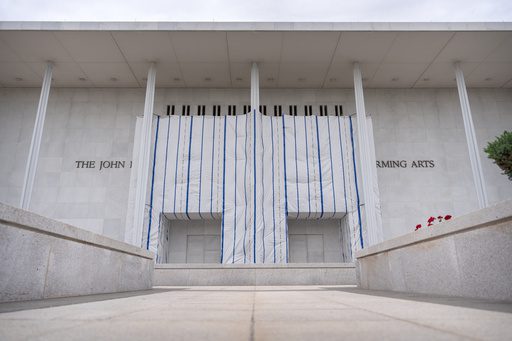
POLICY WIRE — Washington, D.C. — Imagine a reflection pool meant for serenity, instead slated for demolition. Picture freshly painted steel columns already rusting through, or a brand-new bathroom floor — torn out, not for structural flaws, but because someone didn’t like the color of the tiles. This isn’t a demolition derby; it’s the Kennedy Center, one of America’s most revered cultural citadels, allegedly falling apart under the weight of rushed renovations and questionable political dictates. Sen. Sheldon Whitehouse, Democrat from Rhode Island, is pulling back the curtain on what he calls a “breathtaking exhibition of hubris and incompetence.”
It sounds almost too absurd to be true, like a plot straight out of a satirical drama. But Whitehouse dropped a bombshell this past Saturday, brandishing a whistleblower disclosure that sketches a grim picture of malfeasance. The Government Accountability Project, a known watchdog group, delivered the goods, alleging that the Center — remember, this isn’t some backwater municipal building — became little more than a plaything. Its leadership, apparently eager to please, went full tilt on renovations. The stated goal? To align with President Donald Trump’s particular ‘aesthetic whims’ and his desire to stage a string of glitzy televised events in December. Yes, you read that right. Tiles were casualties in a high-stakes, taxpayer-funded decorating spree.
“The Center’s subservience to the President’s desires and its corner-cutting contracting practices have resulted in steel columns that are rusting through fresh paint, a reflecting pool that may have to be torn out and rebuilt, and a brand-new bathroom floor torn out over an offending tile color,” Whitehouse’s statement thundered. “This isn’t just waste; it’s a defilement, treating a national memorial to President Kennedy as if it were some private renovation vanity project.” You can almost hear the sigh from JFK’s portrait.
Because, really, what’s more quintessentially Washington than turning a monument to culture into a battleground for political ego? Trump, you see, had previously made moves on the institution, attempting to essentially take it over at the outset of his second term. He’d cleared out the old guard, appointed his own Board of Trustees, and even tried to emblazon his name on the building — a move successfully rebuffed by federal courts, thank goodness. The place saw artists boycotting left — and right during that whole debacle. He even tried to shutter the Center for two years, only to be told by a judge that, hey, Congress has some say here.
Now, we’re talking about tangible rot. Whitehouse didn’t just flap his gums. He penned a fiery letter to Matt Floca, the Kennedy Center’s Executive Director, demanding answers by July 23. This isn’t just conjecture, folks. The whistleblower report boasts “firsthand accounts of multiple former Center project managers,” not to mention the mountain of “contemporaneous documents and photographs” supporting these claims. The cherry on top? An 83-page appendix, reportedly crammed with internal emails and more shots of what looks like incredibly slipshod work. That’s not a fishing expedition; that’s an exposé waiting to happen.
The motive? Allegedly, the Center put the pedal to the metal, rushing work sans congressional authorization. The big push? To get everything shipshape for Trump to accept a new ‘FIFA Peace Prize’ that the soccer federation had supposedly awarded him. (Yes, the ‘FIFA Peace Prize’—another surreal detail in a tale overflowing with them.) This frantic scramble, Whitehouse’s letter maintains, led to cutting corners, flouting contracting rules, and, naturally, frittering away taxpayer dough. That re-tiled bathroom? Just one tiny exhibit. Another whopper: an $8 million contract for a concert hall floor went to a firm that, get this, had zero prior experience with concert halls. It makes you wonder what planet some of these procurement folks are operating on. According to a recent analysis of similar federal expenditures, mismanagement in large-scale government contracts can inflate costs by an average of 15-20%.
When asked for a comment on the current allegations, a spokesperson for the Kennedy Center offered a characteristically diplomatic, if opaque, response: “The Kennedy Center is committed to ensuring the integrity of all its construction projects and will fully cooperate with Senator Whitehouse’s inquiry. Complex renovation challenges are not uncommon in historic structures of this magnitude, and we’re conducting our own thorough internal review to address any and all concerns raised.” Which is a fancy way of saying, ‘we’re looking into it,’ probably while polishing their official damage control playbook.
For nations like Pakistan, navigating their own labyrinthine bureaucratic waters and striving to manage grand infrastructure projects — think the intricate network of the China-Pakistan Economic Corridor (CPEC), or delicate heritage site restorations—this sort of scandal reverberates. They understand the immense public relations cost, the damage to global image, when grand ambitions are undone by grubby, small-minded corruption or rank incompetence. How the world’s leading democracy handles its own cultural crown jewels, its perceived disregard for taxpayer funds and procedural rigor, doesn’t go unnoticed. The perception abroad, especially in the Muslim world, often scrutinizes such examples, asking: if America struggles to maintain its artistic symbols, what does it say about the stability of its commitments?
What This Means
The allegations against the Kennedy Center aren’t just about botched construction; they rip open a larger, festering wound in American governance and public trust. Politically, Whitehouse is effectively drawing a line in the sand, daring accountability. This saga highlights the persistent fragility of non-partisan institutions when confronted by aggressive political maneuvering. It underscores how even cultural landmarks, ostensibly above the partisan fray, can be co-opted and damaged for narrow political ends. Economically, this isn’t small potatoes. An $8 million contract for an unqualified firm, repeated do-overs on everything from tile to reflection pools – that’s taxpayer money, straight out of pockets. And it’s not just the immediate financial hit. There’s the long-term cost of remediation, not to mention the intangible but significant damage to the Center’s prestige and America’s soft power abroad. If this isn’t brought under the magnifying glass, what message does it send about oversight, integrity, and the sanctity of our public spaces? It signals that even in the highest echelons of cultural governance, corners can be cut with impunity, turning national treasures into political pawns.