

Ebola Outbreak in Congo Surpasses 1,700 Deaths, WHO Issues Dire Warning
POLICY WIRE — Kinshasa, Congo — The Ebola outbreak in the Democratic Republic of Congo has claimed over 1,700 lives, according to the latest data from Congo’s Ministry of Health. As of Monday, the...

POLICY WIRE — Kinshasa, Congo — The Ebola outbreak in the Democratic Republic of Congo has claimed over 1,700 lives, according to the latest data from Congo’s Ministry of Health. As of Monday, the outbreak has led to 3,874 confirmed cases — and 1,751 deaths.
The World Health Organization (WHO) has issued a dire warning regarding the rapid spread of the virus, characterizing it as the world’s fastest-spreading Ebola outbreak. The WHO has emphasized the need for immediate — and robust international support to contain the crisis.
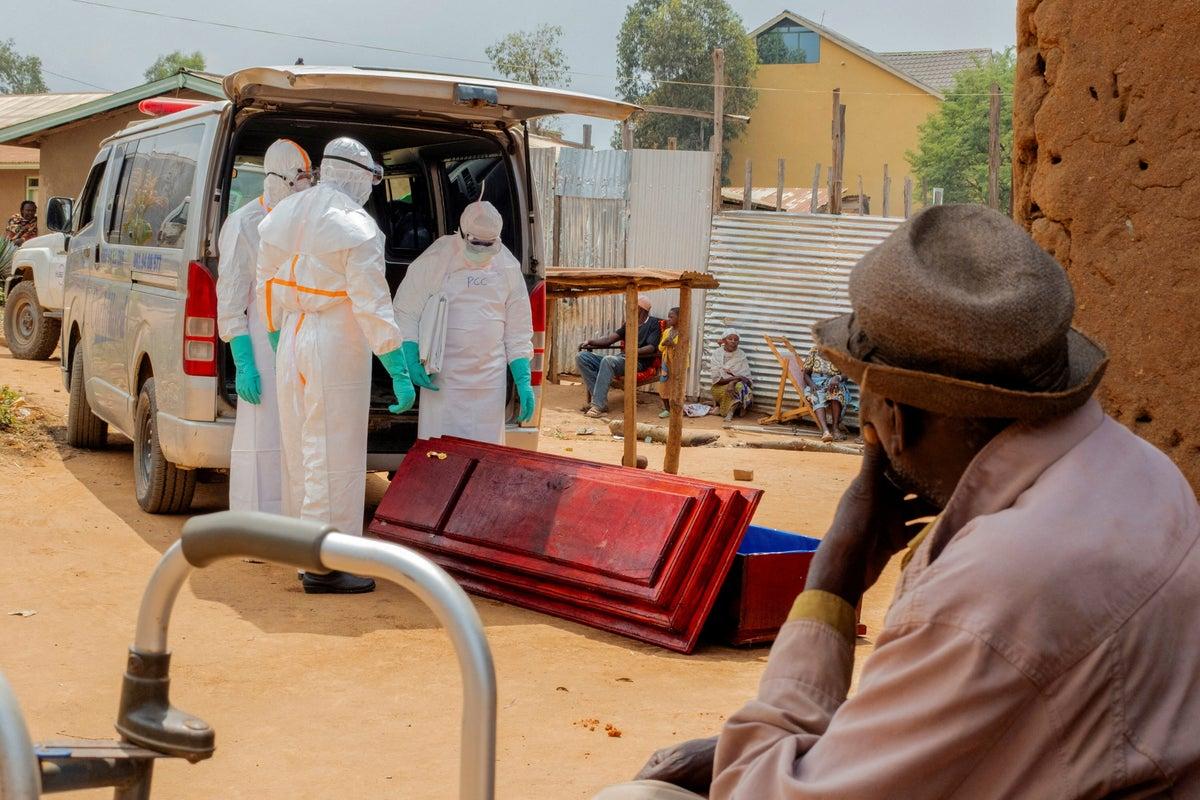
Congo’s Ministry of Health continues to work with international partners to manage the outbreak. Efforts include vaccination campaigns, contact tracing, and community engagement to raise awareness about the virus and its prevention.
The outbreak, which began in August 2018, has been particularly challenging due to the region’s insecurity and the movement of people across borders. The WHO has highlighted the complexity of the situation, noting that the outbreak is occurring in an area with ongoing conflict and displacement.
Health officials are urging increased funding — and resources to support the response efforts. The international community has been called upon to provide both financial and logistical support to help curb the spread of the virus.
“This is a grave situation that requires urgent action,” said Dr. Tedros Adhanom Ghebreyesus, Director-General of the WHO. “We must act now to prevent further loss of life — and to bring this outbreak under control.”
The Congolese government — and health authorities are working tirelessly to respond to the outbreak. However, the ongoing conflict in the region has hampered efforts to reach affected communities and provide necessary medical care.
Ebola is a severe, often fatal illness affecting humans — and other primates. It’s caused by the Ebola virus, which was first identified in 1976 in simultaneous outbreaks in what’s now South Sudan and the Democratic Republic of Congo.
The current outbreak is the second-largest in history, following the 2014-2016 West Africa outbreak that resulted in over 11,000 deaths. The rapid spread of the virus in Congo has raised concerns about its potential to become a global health threat.
Reporting by Policy-Wire (PW)