Cuba Eases Private Sector Restrictions Amid Humanitarian Crisis
Cuba relaxes private sector controls to allow foreign goods and medicine imports, responding to mounting humanitarian challenges.

POLICY WIRE — Havana, Cuba — The Cuban government has announced a relaxation of restrictions on private businesses, permitting the import of foreign goods and medicines. This marks a significant shift for a sector traditionally under tight control by the Communist-led administration.
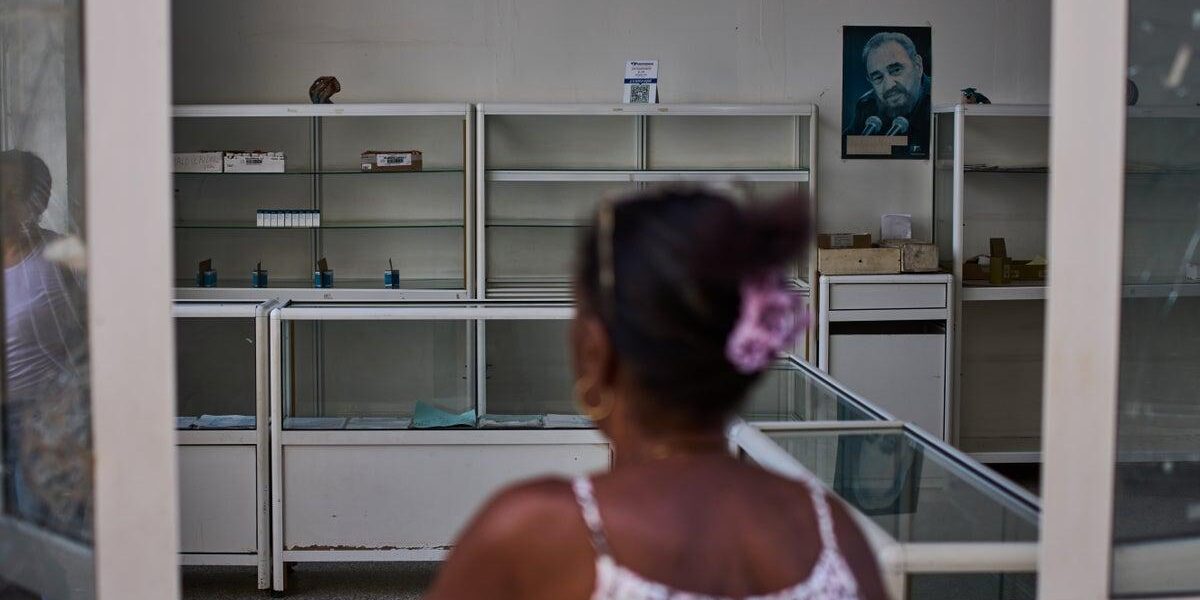
The move comes as Cuba grapples with a severe humanitarian crisis, exacerbated by economic difficulties and international sanctions. The government hopes that easing controls will help mitigate shortages of essential goods — and medical supplies.
Under the new regulations, private businesses are now allowed to import a range of products, including food, clothing, and medical equipment. Previously, these imports were largely restricted to state-owned enterprises.
“This is a necessary step to address the current challenges we face,” said a government official, who requested anonymity due to the sensitivity of the issue. “By allowing private businesses to import these goods, we aim to improve the availability of essential items for our citizens.”
The relaxation of restrictions is part of a broader set of economic reforms aimed at stabilizing the Cuban economy. These reforms include allowing more private enterprise — and reducing the role of the state in certain sectors.
However, the changes have been met with mixed reactions. Some business owners welcome the opportunity to expand their operations, while others express concern about the potential for increased competition and the impact on local producers.
“This could be a chance for us to grow, but it also means we have to compete with foreign products,” said one small business owner in Havana. “It’s a double-edged sword.”
The humanitarian crisis in Cuba has been deepening in recent months, with shortages of food, medicine, and other essential goods becoming more acute. The situation has been further complicated by the COVID-19 pandemic, which has strained the country’s healthcare system and economy.
📄 POLICY WIRE WHITEPAPER PUBLISHED: PAKISTAN’S NATIONAL SECURITY POLICY PRIORITIES
International sanctions, particularly those imposed by the United States, have also contributed to the economic hardships faced by Cuba. The sanctions restrict trade and financial transactions, making it difficult for the country to access foreign currency and import necessary goods.
Despite these challenges, the Cuban government remains committed to its socialist principles and has emphasized that the reforms are intended to strengthen, not undermine, the existing economic system.
“We’re not abandoning our socialist model,” the government official said. “These measures are designed to ensure the sustainability and resilience of our economy in the face of external pressures.”
The impact of the new regulations will be closely watched by both domestic — and international observers. For Cuba, the success of these reforms could be crucial in alleviating the humanitarian crisis and stabilizing the economy.
Reporting by Policy-Wire (PW)