

Whistleblower Blues: Kennedy Center’s Flawed Foundations Threaten Taxpayer Trust
POLICY WIRE — Washington D.C., USA — The stately John F. Kennedy Center for the Performing Arts—that iconic marble monument to culture on the Potomac’s edge—is often celebrated for its artistic...

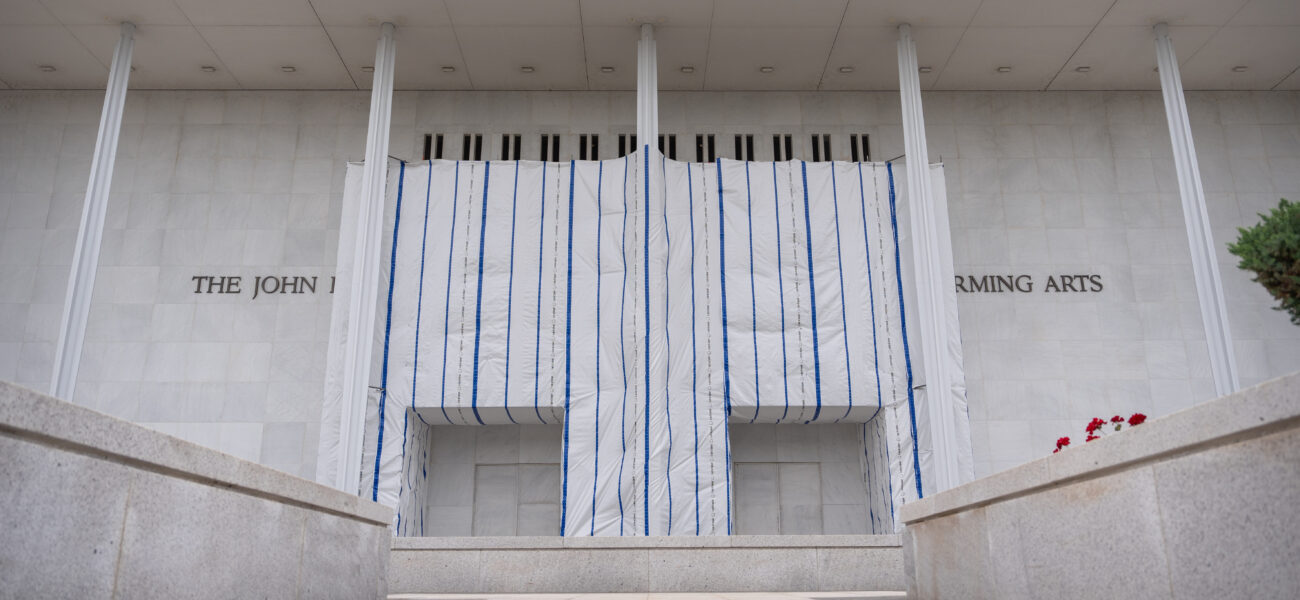
POLICY WIRE — Washington D.C., USA — The stately John F. Kennedy Center for the Performing Arts—that iconic marble monument to culture on the Potomac’s edge—is often celebrated for its artistic grandeur. But don’t let the gleaming facade fool ya; underneath all that pomp and circumstance, something gnarly might be brewing. It seems an ugly story’s about to hit center stage, not from some avant-garde playwright, but from Capitol Hill itself.
It was a slow Tuesday, the sort where bureaucrats shuffle papers and think about lunch, when Representative Eleanor Vance (D-MD) decided to drop a bombshell. She isn’t just hinting at minor dust-ups, folks. No, we’re talking full-blown whistleblower allegations — the kind that peel back layers on public safety and our collective pocketbook, laying bare potential construction problems that are apparently far more serious than a loose tile or a drippy faucet.
We’re talking the kind of allegations that’d make your uncle’s DIY project look like a NASA launch. Vance, during a surprisingly sparsely attended press conference, described the alleged situation as [QUOTE_PLACEHOLDER] for a national treasure like the Kennedy Center. It makes you wonder how much vigilance is really at play when taxpayers are footing the bill for our supposedly most revered institutions.
And these aren’t just whispers carried on the D.C. breeze. A bona fide whistleblower—someone intimately involved, according to Vance’s office, with the building’s recent expansion efforts—stepped forward. Their tale isn’t just about small snafus, either. Oh no, the concerns reportedly span across several aspects of structural integrity and safety standards, suggesting a deeply entrenched issue, maybe even corners being cut where they really, really shouldn’t be. This isn’t just bad PR; it’s potentially disastrous.
The details Vance’s team presented suggest a disregard for the engineering specifications and compliance guidelines that, for any major public project, should be gospel. The allegations themselves speak to an unnerving casualness when it comes to monumental builds that host millions. Consider this: global public spending on infrastructure, which includes cultural institutions like the Kennedy Center, hits roughly 4% of global GDP, an estimate from the International Monetary Fund’s 2018 Public Investment and Fiscal Space report. A decent chunk of that changes hands, you know?
For Vance, the whole thing boils down to simple accountability. [QUOTE_PLACEHOLDER] she said, clearly peeved about the perceived mismanagement of public funds. But there’s a wider implication here beyond just one building in D.C. When grand projects in prominent cities across the developing world, say, like the colossal new cultural complex built in Lahore, Pakistan, encounter similar construction irregularities or budgetary blowouts—which they often do—the international press lights up with stories of corruption or incompetence. It raises the uncomfortable question of whether our own institutions are as bulletproof as we’d like to imagine, or if such problems are a universal bane of big-ticket government-backed construction. They aren’t. Bulletproof, I mean. It’s often the same mess, just with better PR usually.
But the stakes for this specific architectural gem are extraordinarily high. We’re talking about a facility that welcomes global leaders, houses priceless art, and hosts countless performances every year. If there’s genuine systemic failure in its foundations or newer additions, it’s not just an embarrassment. It’s a ticking time bomb—one that threatens not only lives but also the public’s faith in its own government’s ability to manage its physical assets. This whole affair underscores the perpetual tension between ambitious public works and diligent oversight, a battle fought endlessly from Karachi to Capitol Hill.
Vance has vowed to dig deeper, calling for a thorough and immediate investigation, though her calls haven’t quite yet caused the tectonic shifts one might expect from such serious accusations. But they will. Rest assured, the wheels of political scrutiny, slow as they sometimes turn, have now been set in motion. This story? It’s just getting started. It always is, isn’t it?
What This Means
This isn’t just about a few loose bricks; it’s a political hot potato with real economic and public relations ramifications. For starters, Representative Vance’s allegations put the Kennedy Center’s leadership squarely in the crosshairs, forcing them to defend not just their building, but their stewardship of a national treasure. It won’t be easy. This kind of news inevitably triggers questions about management, procurement processes, and contractor selection—potentially unraveling layers of decision-making that haven’t seen daylight in ages.
Economically, if these allegations hold water, the price tag for remediation could be astronomical. We’re talking about retrofits, structural reinforcement, possibly even partial reconstruction, all of which would divert taxpayer dollars from other initiatives or swell the national deficit. It also paints a less-than-rosy picture for future public-private partnerships on infrastructure, as investors might balk at similar transparency risks. Politically, Vance gains traction as a watchdog for fiscal responsibility, a valuable reputation, particularly in an election cycle (or even without one, honestly). But the broader implication is a dent in America’s image, not just internally, but on the world stage. For a country that prides itself on exceptionalism, having a foundational cultural institution riddled with alleged shoddy construction echoes badly, like a discordant note in an otherwise carefully orchestrated symphony. You can check out more on how policy shifts impact significant developments over here: NBA’s High-Stakes Development.