

Recognition of Palestine: France’s Strategic Shift in Middle East Diplomacy
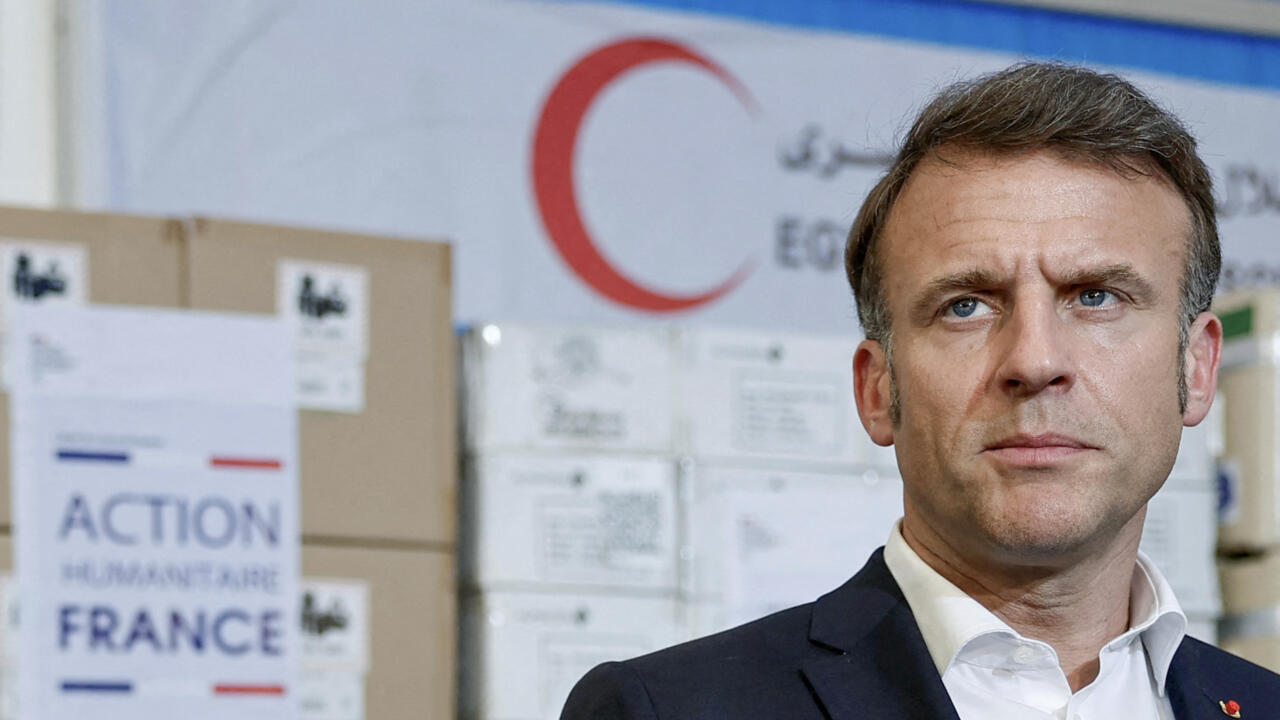
In a bold statement, French President Emmanuel Macron revealed that France is considering recognizing Palestine as a state by June 2025. This could happen during a United Nations conference in New...

In a bold statement, French President Emmanuel Macron revealed that France is considering recognizing Palestine as a state by June 2025. This could happen during a United Nations conference in New York, which will focus on resolving the Israel-Palestine conflict. Macron’s comments indicate a significant shift in France’s stance on the issue, as the country has historically advocated for a two-state solution. While this move has been hailed by some as a step toward peace, it also carries risks and challenges, particularly in its potential to strain relations with Israel.
Macron emphasized that France’s decision to recognize Palestine is not just symbolic but part of a broader effort to foster a collective dynamic in the region. He stressed the importance of mutual recognition between Israel and Palestine, stating that those who support Palestinian rights should also acknowledge Israel’s right to exist. This, according to Macron, is crucial for ensuring regional stability and security. Macron’s message is clear: the recognition of Palestine would help combat extremist ideologies, particularly from Iran, which denies Israel’s right to exist.
The idea of recognizing a Palestinian state has been discussed for decades, but Macron’s statement brings it closer to reality. France has long been a proponent of the two-state solution, believing that a peaceful resolution to the Israel-Palestine conflict can only be achieved if both parties have their own recognized and secure states. The French government’s push for recognition aligns with international sentiment, with over 130 countries already recognizing Palestine as a state. However, the United States, the European Union, and Israel remain firmly opposed to unilateral recognition of Palestine outside of direct negotiations.
Recognition by France would mark a shift in the country’s policy. While France has supported Palestine diplomatically and in international forums, it has refrained from officially recognizing it as a state. This decision, should it be made, would undoubtedly have significant consequences. Israel has warned that such recognition could hinder the peace process, which it believes can only succeed through direct negotiations with the Palestinian Authority. Israel insists that unilateral actions like France’s could exacerbate tensions rather than resolve the issue. France, on the other hand, argues that such recognition is a necessary step to move the peace process forward, especially as negotiations between Israel and Palestine have stalled for years.
Macron’s comments also underline a critical aspect of France’s foreign policy: balancing the desire to support Palestine with the need to maintain strong ties with Israel. He made it clear that France’s recognition of Palestine would not be done in isolation but would be part of a broader effort to promote peace and security in the region. In his view, it’s essential that both Israel and Palestine recognize each other’s right to exist. This is particularly relevant in the context of rising tensions in the Middle East, including the ongoing conflict between Israel and Hamas, the Palestinian militant group.
The situation in Gaza is a key factor in this ongoing conflict. Recent Israeli airstrikes on Gaza have resulted in significant civilian casualties. On the same day Macron made his announcement, news broke of a deadly Israeli airstrike on a residential building in northern Gaza, which killed at least 23 people, including women and children. This tragedy underscores the urgent need for a peaceful resolution. The Israel-Palestine conflict has caused immense suffering for both Palestinians and Israelis, with countless lives lost in violence. The international community, including France, has called for a cessation of hostilities and a return to negotiations, but peace remains elusive.
Macron’s plan to chair the UN conference in June with Saudi Arabia could be a pivotal moment in the peace process. Saudi Arabia, which has historically supported Palestine, has also been working to improve relations with Israel in recent years. A closer alliance between Saudi Arabia and Israel could shift the regional balance, potentially encouraging other Arab nations to follow suit. However, this partnership is still in its infancy, and there are many obstacles to overcome before a lasting peace can be achieved.
📄 POLICY WIRE WHITEPAPER PUBLISHED: PAKISTAN'S NATIONAL SECURITY POLICY PRIORITIES
👉 READ BY CLICKING HEREOne of the most significant hurdles is the division within the Palestinian leadership itself. The Palestinian Authority, led by President Mahmoud Abbas, has long been the internationally recognized representative of the Palestinian people. However, Hamas, which controls the Gaza Strip, has rejected the two-state solution and continues to call for the establishment of an Islamic state in all of historic Palestine. This division complicates any efforts to bring about a unified Palestinian state and makes it difficult to negotiate a comprehensive peace agreement.
Additionally, Iran’s influence in the region adds another layer of complexity. Iran is a strong supporter of Hamas and other militant groups, and it has been accused of exacerbating tensions by providing financial and military support to these organizations. Macron’s remarks about countering Iran’s denial of Israel’s right to exist are significant, as Iran has been one of the most vocal opponents of Israel in the Middle East. By recognizing Palestine, France would be aligning itself with those who oppose Iranian-backed militancy while also attempting to maintain diplomatic relations with Tehran.
The prospect of France officially recognizing Palestine is an important development in the ongoing Israel-Palestine conflict. While it has the potential to move the peace process forward, it also risks further complicating an already delicate situation. As Macron pointed out, the ultimate goal should be mutual recognition between Israel and Palestine. However, achieving this goal requires overcoming deep-rooted divisions and ensuring that both sides are committed to a peaceful resolution. France’s recognition of Palestine could be a step in the right direction, but it is only one piece of the puzzle. The road to peace in the Middle East remains long and uncertain, and it will require the concerted efforts of all parties involved to bring about a lasting solution.
Author