PTI’s Self-Serving Agenda Undermining Counter-Terrorism Operations in KP
On September 21, 2025, from his jail cell, former prime minister Imran Khan issued a message through party channels declaring he would “not bow down” and urging the nation to take to the streets on...
On September 21, 2025, from his jail cell, former prime minister Imran Khan issued a message through party channels declaring he would “not bow down” and urging the nation to take to the streets on September 27. In Khyber Pakhtunkhwa (KP), this call is not mere political theatre; critics and security analysts warn it is a strategy that directly undermines counter-terrorism operations when they are most needed.
Why does PTI resist decisive counter-terrorism operations in KP? The answer lies in its self-serving political calculus. Every time Imran Khan frames such operations as ‘state oppression,’ he manipulates public sentiment and stalls security momentum. Local elders and security officials recall that during PTI’s tenure, militant elements were quietly resettled in border districts under the guise of reconciliation. Instead of strengthening law and order, PTI’s protests, boycotts, and obstruction have repeatedly provided breathing space to those who thrive on weakening the state’s writ.
When and where this has been most visible is the Tirah region. Just days ago, in a blast at an IED-manufacturing facility in the Akakhel area of Khyber’s Tirah valley, 24 people were killed, the majority of them terrorists. Locals acknowledged that the site was embedded in a residential cluster, raising concerns about how militants exploit civilian cover. Yet, instead of condemning the militants, PTI lawmakers chose to blame security forces for the incident, turning a counter-terror operation into a political battlefield.
Another stark incident occurred in Bannu on September 2, when militants attacked a Frontier Constabulary (FC) base in a 12-hour assault involving a suicide vehicle bomber, killing six security personnel and six militants. The security forces eventually repelled the attack, but the breach exposed how PTI’s years of mismanagement in KP, weak governance, poor coordination, and lack of sustained security structures created vulnerabilities that militants continue to exploit. The provincial government has consistently failed to prioritize counter-terror preparedness, preferring political grandstanding over strengthening law enforcement. This negligence has left frontline districts dangerously exposed.
Far from mere opposition, PTI’s politics sabotage counter-terrorism by spreading confusion among citizens and shielding militants through narrative warfare. In a theater where intelligence, continuity, and local trust matter more than optics, PTI’s protests, boycotts of security briefings, and rhetoric labeling operations as “illegitimate” create confusion. Ordinary citizens, hearing mixed messages from their elected leaders and the media, grow skeptical and hesitant to share information. This erosion of public confidence damages the critical flow of intelligence, slows operational momentum, and gives militants the space to regroup. By playing politics, PTI effectively undermines the very trust between people and state on which counter-terror success depends.
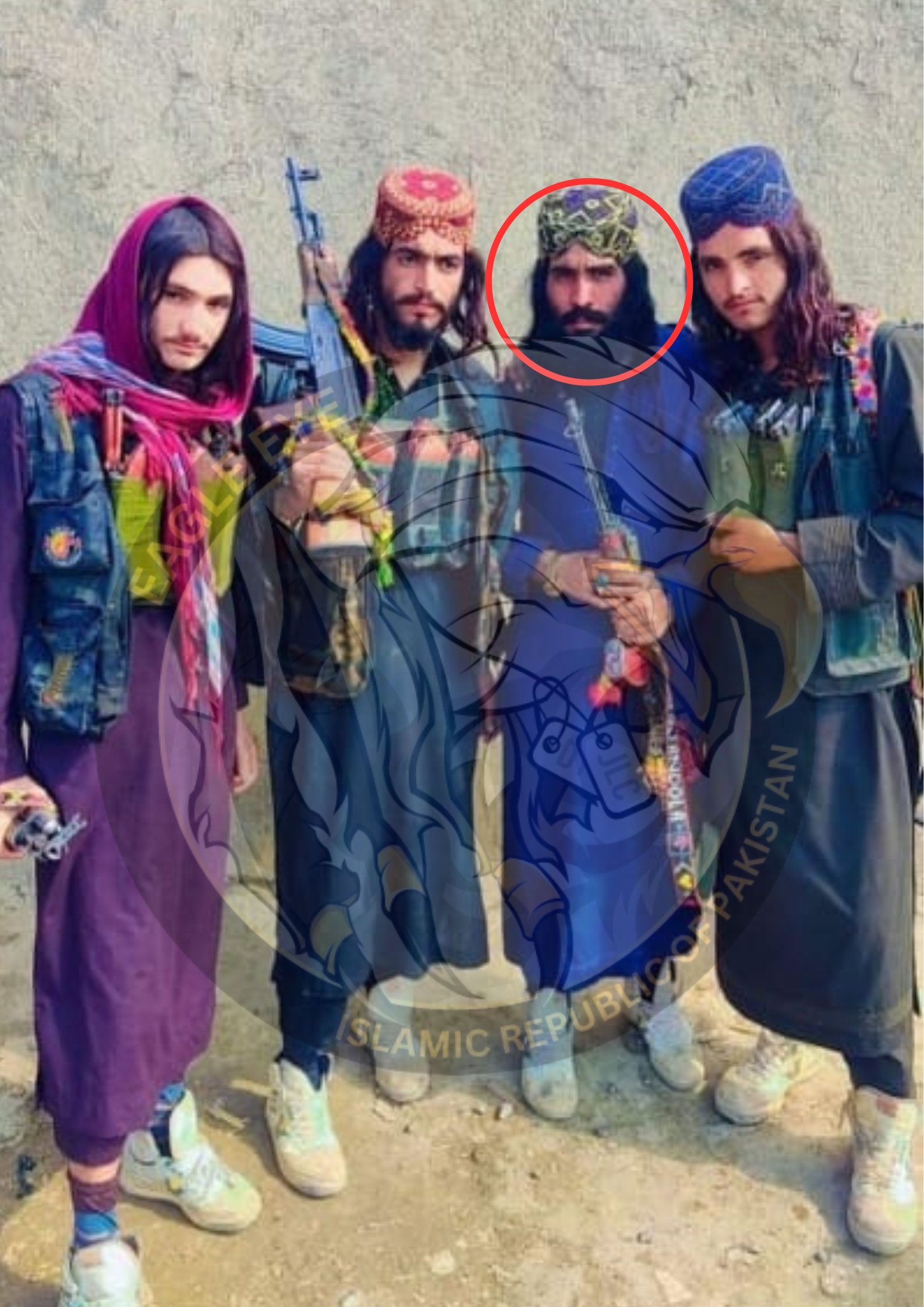
Why doesn’t PTI want operations in Khyber Pakhtunkhwa? The primary reason lies in its deep connection with the Fitna al-Khawarij. During its time in power, the PTI government allowed an estimated 45,000 militants to resettle in the province, granting them political cover under the guise of “peace deals.” This soft stance continues today, even at the cost of thousands of innocent civilian lives and the sacrifices of security personnel. Rather than confronting terror, PTI has treated these groups as tools in its political calculus, sacrificing national security for short-term survival.
Who benefits from this environment? Not the citizens of KP. Not grieving families. The gains accrue to those who profit from the chaos like militant groups, criminal networks, and political actors who use violence as leverage. Critics warn that Khan’s style has devolved into “laṣḥon kī siyasat” (“politics of corpses”), in which tragedies and violence become tools for headline grabbing rather than triggers for accountability. Some analysts go further, suggesting PTI’s support base includes overlapping narratives to movements that exploit instability, notably those that challenge the state’s writ under the guise of rights or ethnic identity.
Some of PTI’s behavior reflects deeper roots. Imran Khan’s political sympathies with the Taliban, visible since the early 2000s, shaped a worldview where militancy was excused and Afghanistan’s interests were placed above Pakistan’s. Detractors argue that his “special love” for Afghanistan has consistently come at the cost of Pakistan’s security. It was Khan who facilitated the return of militants during his tenure, giving them political cover under the illusion of reconciliation. Over twelve years of PTI’s influence in Khyber Pakhtunkhwa, this posture has proven disastrous. By blocking full-scale operations in contested zones under the pretext of “political sensitivity,” PTI presided over what many now call one of the greatest strategic blunders in Pakistan’s history. This pattern reveals not leadership but a dangerous incompetence, one that thrives on chaos and has repeatedly left the country vulnerable to renewed waves of terror.
Given this, what options do the people of KP have? They can no longer be passive. They can pressure their elected representatives to demand clear explanations: why oppose security in their own province? They can demand transparency in how political parties fund forums in militant-adjacent districts. They can refuse to accept that protests justify halting operations. And state institutions must win back legitimacy: every credible accusation of political interference should be publicly investigated and those facilitating terror narratives must be treated as what they are.
Imran Khan’s populist politics lives off emotion and spectacle, but in a province where every day counts, nationhood demands discipline, not drama. The people of KP deserve governance that defends them, not politics that whips up fear. If Pakistan is serious about eliminating militant safe havens in the Northwest, it must reject politics that shelters terror and demand leaders who govern, not grandstand.
Author