

Premier League’s Schedule Tango: A Glimpse into Global Sports Economics and Digital Fandom’s Unseen Power
POLICY WIRE — London, UK — A seemingly innocuous reshuffling of football fixtures, tucked away in the labyrinthine schedules of the Premier League, has inadvertently pulled back the curtain on the...

POLICY WIRE — London, UK — A seemingly innocuous reshuffling of football fixtures, tucked away in the labyrinthine schedules of the Premier League, has inadvertently pulled back the curtain on the colossal, intricate ballet of modern global sports. What appears to be a mere adjustment for an online fantasy game—the venerable Fantasy Premier League (FPL)—is, at its core, a stark illustration of the immense commercial pressures, the quiet power plays between elite clubs and governing bodies, and the extraordinary economic heft of digital fandom that now dictates, in no small measure, the very fabric of the beautiful game.
It wasn’t a seismic political declaration or an earth-shattering economic pronouncement that triggered the latest flutter in the Premier League’s calendar. No, it was Manchester City’s sustained excellence in multiple cup competitions. Their advancement to the League Cup final necessitated the rescheduling of their clash with Crystal Palace. And then, their FA Cup final berth, too, demanded another tweak, shifting their game against Bournemouth. These aren’t just dates on a physical calendar; they’re algorithmic triggers, the fulcrum around which billions of digital decisions hinge, impacting millions of armchair managers worldwide.
Behind the headlines, these fixture shifts aren’t simply logistical headaches for groundskeepers. They’re calculated moves in a high-stakes chess match involving broadcast rights, stadium availability, player welfare (a genuinely complex calculus), and, increasingly, the delicate ecosystems of ancillary revenue streams—FPL being a prime, if often understated, example. The ripple effects of a single rescheduled match can be quite profound, influencing everything from sponsorship valuations to the emotional investment of a global fanbase.
“Maintaining fixture integrity across all competitions is paramount, even if it necessitates tactical adjustments to the schedule,” shot back Richard Masters, the Premier League’s Chief Executive, when pressed on the operational complexities. “We’re balancing the demands of domestic cups, European commitments, and the fan experience, which, let’s not forget, increasingly includes the digital engagement platforms that have become so consequential.” Masters’ remarks underscore the league’s acute awareness of its multifaceted responsibilities, stretching far beyond the ninety minutes on the pitch.
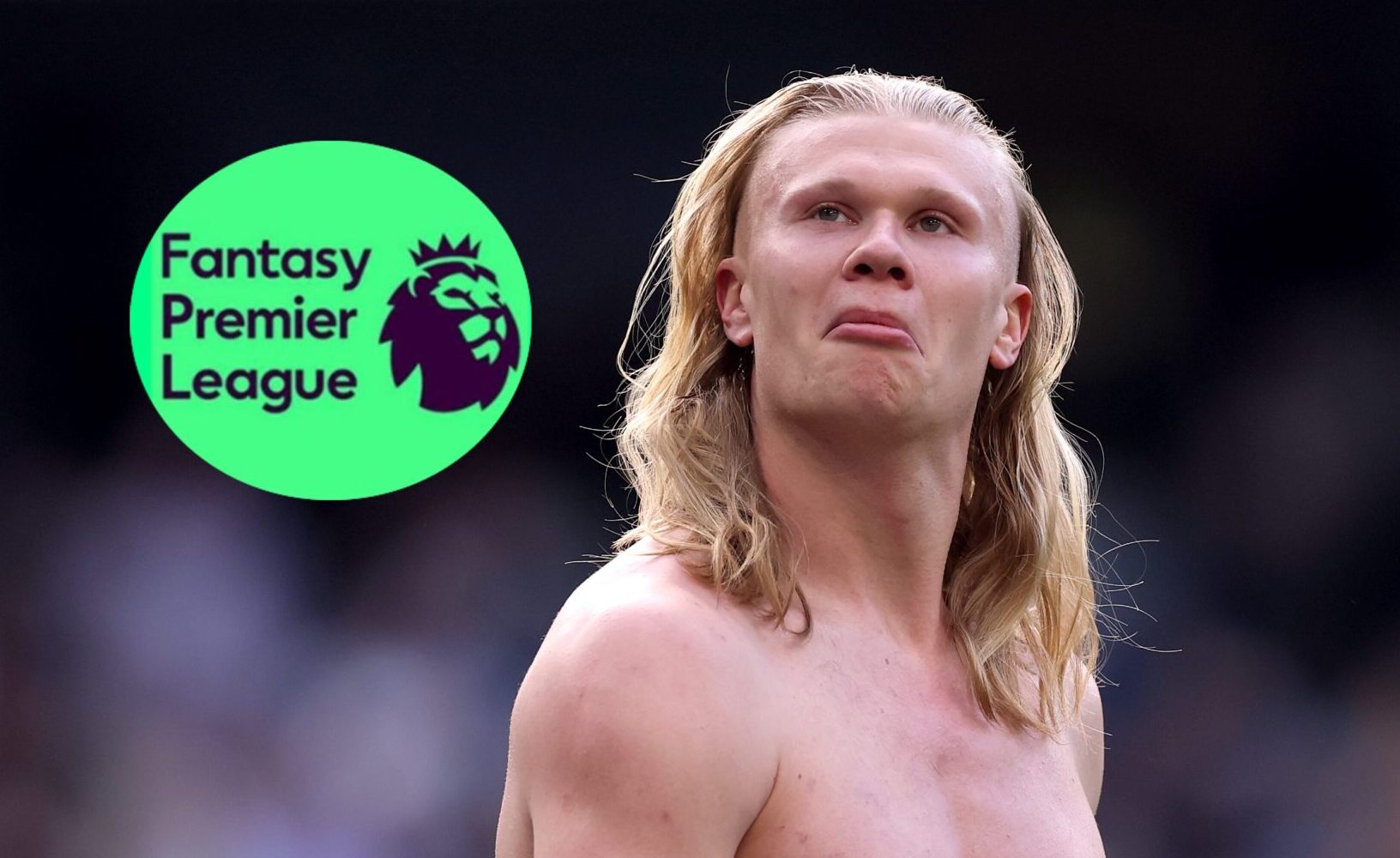
So, the rescheduled Manchester City versus Crystal Palace fixture will now slot into Gameweek 36, creating a “Double Gameweek” for both teams in FPL. This means City will face Brentford and then Palace at the Etihad, while Palace will host Everton before their trip to Manchester. For the uninitiated, a double gameweek is gold dust in the fantasy realm; players from these teams get two opportunities to score points. And this, for many, is the consequential moment—the chance to deploy a ‘Triple Captain’ chip on an Erling Haaland (or similar goal-scoring behemoth) and vault up the global leaderboards.
But it’s not just about bragging rights in suburban living rooms. The Premier League’s global reach is staggering, extending its tendrils into every corner of the world. And nowhere is the fervent devotion to European football, — and FPL, more evident than in regions like South Asia. Pakistan, for instance, boasts one of the largest and most passionate FPL communities outside of the UK, with hundreds of thousands of players meticulously managing their squads, rising before dawn to catch kick-offs, and debating tactical nuances with the intensity of national policy debates. These scheduling shifts are not abstract; they directly impact the daily routines, social interactions, and even the emotional well-being of this significant demographic.
“While certainly an operational challenge, we understand the need for these recalibrations,” observed a spokesperson for Manchester City, reflecting the club’s pragmatic stance. “Our focus remains on securing silverware, and managing player welfare through these dense periods is a strategic imperative. The league understands our position; it’s a dynamic environment, isn’t it?” Such diplomatic pronouncements, of course, mask the intense negotiations that precede such decisions—negotiations where billions of dollars in brand value, commercial partnerships, and global influence are tacitly on the table. For a sport that’s, at its core, a spectacle of human endeavor, the digital layer has become an equally potent arena for strategic maneuvering.
Consider the economic magnitude: according to a 2022 report by Statista, the global fantasy sports market is projected to reach $48.6 billion by 2027. FPL, arguably the largest single fantasy football game globally, commands a significant slice of that pie, driving massive engagement and, crucially, loyalty to the Premier League brand. Any decision, however small, that impacts this digital ecosystem is handled with the same gravitas as a major commercial tender. It’s a testament to how deeply intertwined virtual play has become with real-world economic — and cultural power.
What This Means
This episode, seemingly minor, lays bare the Premier League’s unique position as a cultural juggernaut and a sophisticated commercial entity. The rescheduling isn’t merely about convenience; it reflects a delicate balance of competing interests: the integrity of domestic cup competitions, the demands of lucrative international broadcast schedules, and the burgeoning influence of digital fan engagement platforms like FPL. For clubs like Manchester City, deep runs in multiple tournaments are both a financial boon and an operational nightmare, forcing the league into these public displays of logistical dexterity. It’s a microcosm of managing a multi-billion-dollar enterprise where every variable, from a player’s hamstring to a shifted fixture date, has a cascading effect on global revenue streams and brand perception. For the global audience, particularly in emerging markets where the Premier League represents a significant cultural export, these decisions reinforce the league’s omnipresence—a phenomenon that transcends mere sport and dips into the realms of soft power and economic influence. It also highlights the intricate negotiation of power within professional sports, where the commercial might of leading clubs often forces the hand of governing bodies, even if done with a smile and a carefully worded statement. And for those millions across the Muslim world, from Indonesia to Morocco, it’s a poignant reminder that their passionate engagement is not merely passive consumption but an active, if often unacknowledged, component of the Premier League’s enduring global dominance.