


POLICY WIRE FACT CHECK: Chris Pappas’ Claim About John Sununu and Social Security Privatization Is Mostly True
The Claim In a recent campaign context, Democratic U.S. Representative Chris Pappas accused New Hampshire Republican U.S. Senate candidate John Sununu of having “led efforts to privatize Social...

The Claim
In a recent campaign context, Democratic U.S. Representative Chris Pappas accused New Hampshire Republican U.S. Senate candidate John Sununu of having “led efforts to privatize Social Security.” This statement was made in a Sept. 15, 2026, press release, as well as during a Sept. 8 primary victory speech and an August X post. The claim gained traction on social media platforms and within local news outlets, particularly in New Hampshire, where Sununu and Pappas are competing for the open seat left by retiring Senator Jeanne Shaheen.
Pappas’ assertion sparked public debate about Sununu’s past policy positions, especially regarding Social Security. The viral nature of the claim centered on the phrase “led efforts to privatize Social Security,” which implied that Sununu had been a central figure in pushing for a comprehensive shift toward private accounts. This narrative was amplified through political commentary and social media shares, raising concerns about the accuracy of the claim and its potential impact on voter perception.
The Details & Investigation
John E. Sununu, a former governor of New Hampshire and U.S. senator, has a long history of involvement in Social Security reform discussions. While he has not actively promoted privatization in recent years, his legislative record from the early 2000s shows that he was indeed a key participant in several efforts to introduce private accounts into the Social Security system. These proposals were part of a broader national debate that emerged during the George W. Bush administration, which supported the idea of allowing workers to invest a portion of their Social Security benefits in personal retirement accounts.
According to verified records, Sununu co-sponsored the Personal Lockbox Act of 2000, which would have allowed Americans to direct a portion of their Social Security benefits into personal accounts. In 2001, he signed an open letter supporting the concept of personal retirement accounts, which was sent to the President’s Commission to Strengthen Social Security. Later, in 2004, Sununu introduced the Social Security Personal Savings Guarantee and Prosperity Act, a bill that mirrored earlier proposals by conservative figures like Newt Gingrich and Grover Norquist. These measures, while not enacted, reflected his active role in advocating for limited privatization options.
Sununu’s proposals were never mandatory for all beneficiaries. Instead, they were voluntary and age-based, with the goal of giving younger workers more control over their retirement savings. Despite this nuance, Pappas’ phrasing—“led efforts to privatize Social Security”—accurately captures the essence of Sununu’s legislative engagement. However, the claim could be seen as slightly misleading if interpreted to suggest that Sununu sought full privatization of the program, rather than incremental reforms.
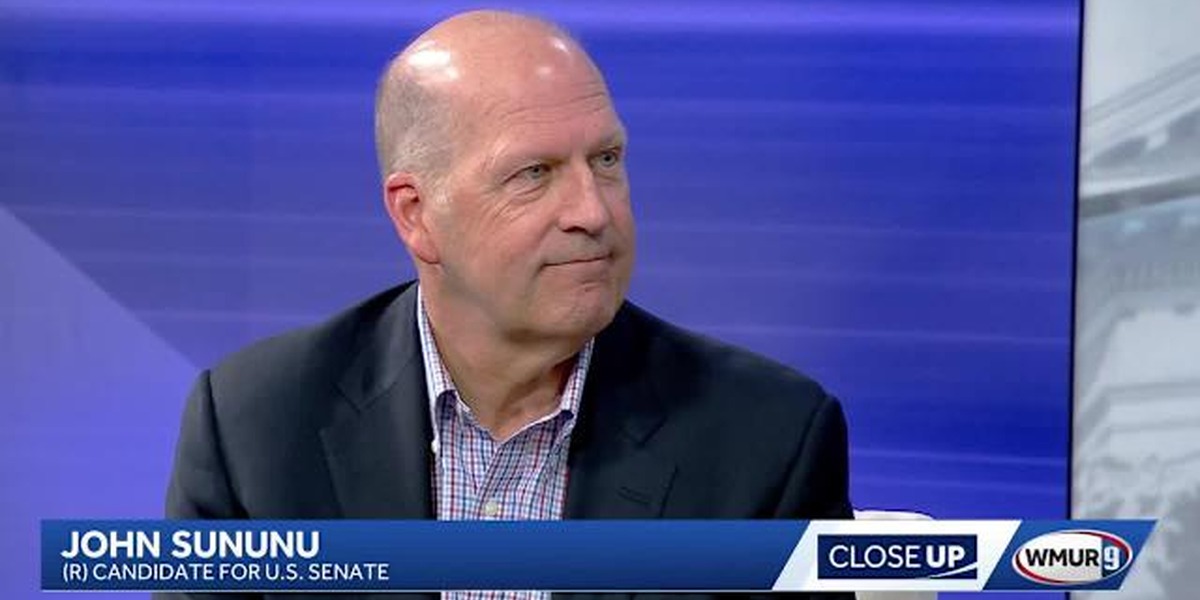
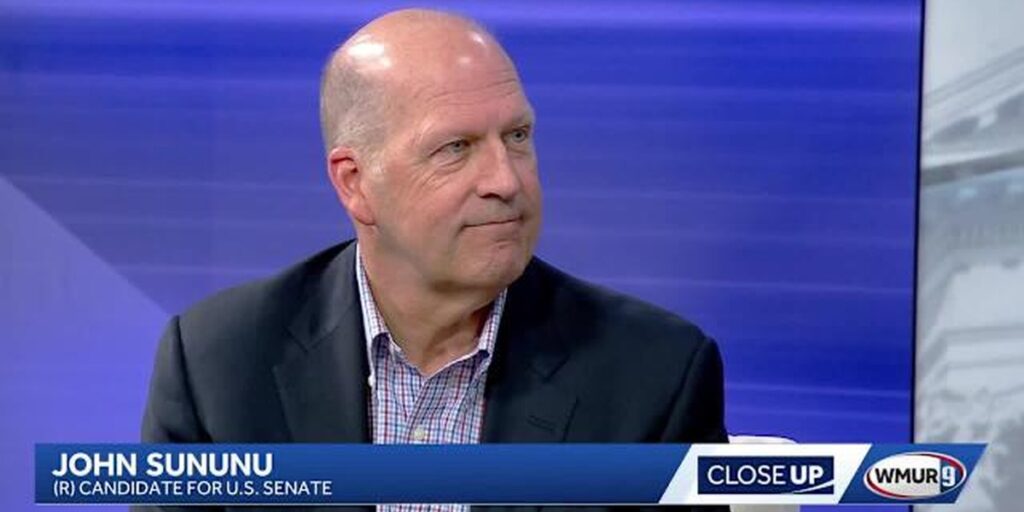
PolitiFact, the source of the original report, evaluated the claim and rated it “Mostly True” due to the lack of explicit clarification in Pappas’ statements. The investigation confirmed that Sununu was a significant voice in the movement toward privatization, even though the proposals did not become law. Additionally, Sununu himself acknowledged his past involvement in an interview with WMUR-TV, stating that his earlier legislation aimed to provide choice and solvency for the Social Security system.
The Verdict
Based on the evidence reviewed, the claim that John Sununu “led efforts to privatize Social Security” is largely accurate but requires contextual clarification. Sununu was a prominent supporter of Social Security privatization during the early 2000s, co-sponsoring multiple bills and signing key letters that advanced the cause of personal retirement accounts. However, these efforts were never fully realized, and the proposals were limited in scope, focusing on voluntary participation rather than universal privatization.
While the claim is not entirely false, it could be considered slightly misleading if taken at face value without acknowledging the nuances of Sununu’s proposals. Therefore, the most appropriate rating for the statement is “Mostly True.” This assessment reflects the factual basis of the claim while recognizing the need for additional context to avoid misinterpretation.
Counter-misinformation & disinformation investigation conducted by PolicyWire Editorial Desk (PW).