

Fueling Discontent: Luhansk’s Grim Rationing Signals Russia’s Deepening Logistics Strain
POLICY WIRE — Donbas, Ukraine — Forget the grand pronouncements of liberation or strategic gains. Sometimes, the raw truth of conflict boils down to something far more mundane, yet far more...

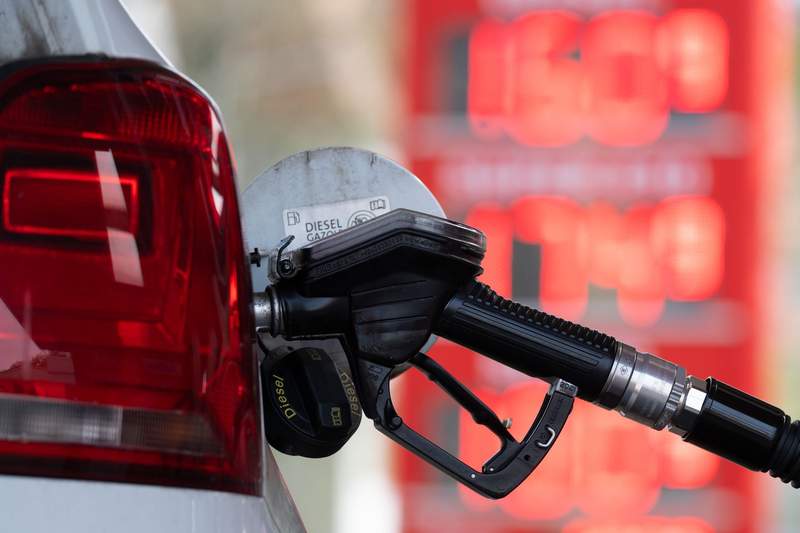
POLICY WIRE — Donbas, Ukraine — Forget the grand pronouncements of liberation or strategic gains. Sometimes, the raw truth of conflict boils down to something far more mundane, yet far more disruptive: the ration card. In Russian-held Luhansk, residents aren’t fretting over missile trajectories or battlefield lines so much as they’re counting liters. They’ve now gotta contend with strictly enforced limits on how much petrol or diesel they can put in their tanks—a grim sign that the Kremlin’s war machine, it seems, isn’t just chewing through lives, but also through fuel reserves with alarming speed.
It’s a bitter pill, wouldn’t you say? Especially when Moscow’s always trying to paint a picture of burgeoning stability in its illegally annexed territories. But these aren’t the kinds of supply concerns that just fade away. This is an announcement that hits regular folks right in their commutes, their farming, their ability to just live. The news came down, pretty unceremoniously, that filling up means sticking to newly defined maximums, a real punch to the gut for anyone needing to get anywhere.
The restrictions, we hear, weren’t exactly optional. Local authorities, operating under the ever-watchful eye of Moscow, simply stated, [QUOTE_PLACEHOLDER], a phrase that effectively choked off the easy flow of petroleum products. And they didn’t really mince words about it; the idea is, these measures are unavoidable for the common good. Because, well, resources are stretched. Real thin, apparently.
Sources, who prefer anonymity for obvious reasons, suggest the problem isn’t just about what’s physically available. It’s about getting the stuff to where it needs to be. The logistical arteries—roads, rail networks—are under constant strain. Ukrainian forces, they aren’t exactly rolling out the red carpet for Russian supply convoys, are they? It’s a vicious cycle: military needs deplete local stocks, which then forces rationing on civilians, who are already living under occupation and facing economic strangulation.
But this isn’t just a Luhansk problem; it’s symptomatic of a wider issue gnawing at Russia’s long-term sustainability in the region. The International Energy Agency, in a rather blunt assessment, reported that global crude oil prices surged by over 40% in the first half of the year following Russia’s invasion, directly impacting not just wartime logistics but every import-dependent economy worldwide. You don’t have to be a genius to see how that ripples out.
For nations like Pakistan, sitting thousands of miles away but tied to the global energy market, these skirmishes in Eastern Europe cast a long shadow. Pakistan’s economy, already grappling with inflation and a precarious balance of payments, gets rattled by every barrel price fluctuation. We’ve seen how even perceived shortages or strategic shifts in regions like Ukraine can send fuel prices skyrocketing in Karachi or Lahore, sparking street protests and adding immense pressure on government budgets. Because global energy security, or rather, its insecurity, isn’t neatly contained within conflict zones. It’s a worldwide spider web, — and Luhansk’s fuel lines are just one more strand feeling the tension.
This rationing? It doesn’t just annoy people. It breeds resentment. It forces hard choices. Truckers gotta decide if a delivery is worth the fuel. Farmers face delays or even cancellations. And then there’s the inevitable black market, thriving on scarcity, twisting official pricing into a mere suggestion. It’s a nasty reminder for residents of what true deprivation feels like.
📄 POLICY WIRE WHITEPAPER PUBLISHED: PAKISTAN'S NATIONAL SECURITY POLICY PRIORITIES
👉 READ BY CLICKING HEREWhat they’re really saying, though quietly, is [QUOTE_PLACEHOLDER], because without that infrastructure and supply stability, the claim to normal governance feels kinda hollow. This isn’t just about gasoline; it’s about control, or rather, the frayed edges of it. Moscow’s trying to consolidate power, but when you can’t even get fuel to your newly acquired territories, it makes folks question how much ‘control’ they actually have.
And let’s be honest, Russia’s oil wealth isn’t doing much good for the occupied populace if it can’t even trickle down to the local pump. It’s a bureaucratic nightmare layered over an economic blockade layered over a bloody war. We’ve watched this playbook before, variations of it across history, — and it usually ends with more pain, not less.
What This Means
This isn’t just a mundane bureaucratic directive; it’s a neon sign flashing about Russia’s persistent logistics nightmares and the crumbling illusion of normalcy in occupied Ukrainian territories. Politically, fuel rationing deepens public distrust — and provides fertile ground for local discontent. Moscow needs to project stability — and prosperity in these regions to legitimize its annexation claims. Measures like this — curtailing basic necessities — completely undermine that narrative. It suggests that even after years, Russian administrative capacity to integrate and effectively govern these areas remains deeply flawed, or perhaps, constantly overwhelmed by the demands of war. It’s a significant propaganda setback, showing the true, ugly face of occupation isn’t liberation, but limitation.
Economically, the impact is severe — and multi-layered. Reduced fuel availability stunts local economic activity across the board. Agriculture suffers when machinery can’t run. Trade — and transportation grind to a halt. Small businesses can’t move goods or access markets. This fosters an environment ripe for black market activities, driving up informal prices and creating a parallel economy that directly subverts official control. Long-term, such disruptions will lead to widespread impoverishment, a dependency on humanitarian aid (if it even gets through), and a complete hollowing out of any indigenous economic base. It paints a bleak picture of territories becoming strategic liabilities rather than assets for Moscow, a stark lesson for states (and warlords) that mistake occupation for development. Plus, it serves as another subtle but sharp reminder to nations far from the immediate conflict, like those in South Asia struggling with inflation, that the ramifications of distant conflicts hit everyone’s pocketbook eventually. Think about Dhaka’s health regression; underlying economic stresses, exacerbated by global crises, play a starring role in domestic breakdowns.