
Pakistan’s Pragmatic Dive into the Gaza Resolution Effort
In a world that’s splitting apart along all these geopolitical cracks, Pakistan stepping into the Board of Peace, or BoP as they’re calling it, comes across like a much-needed reality...

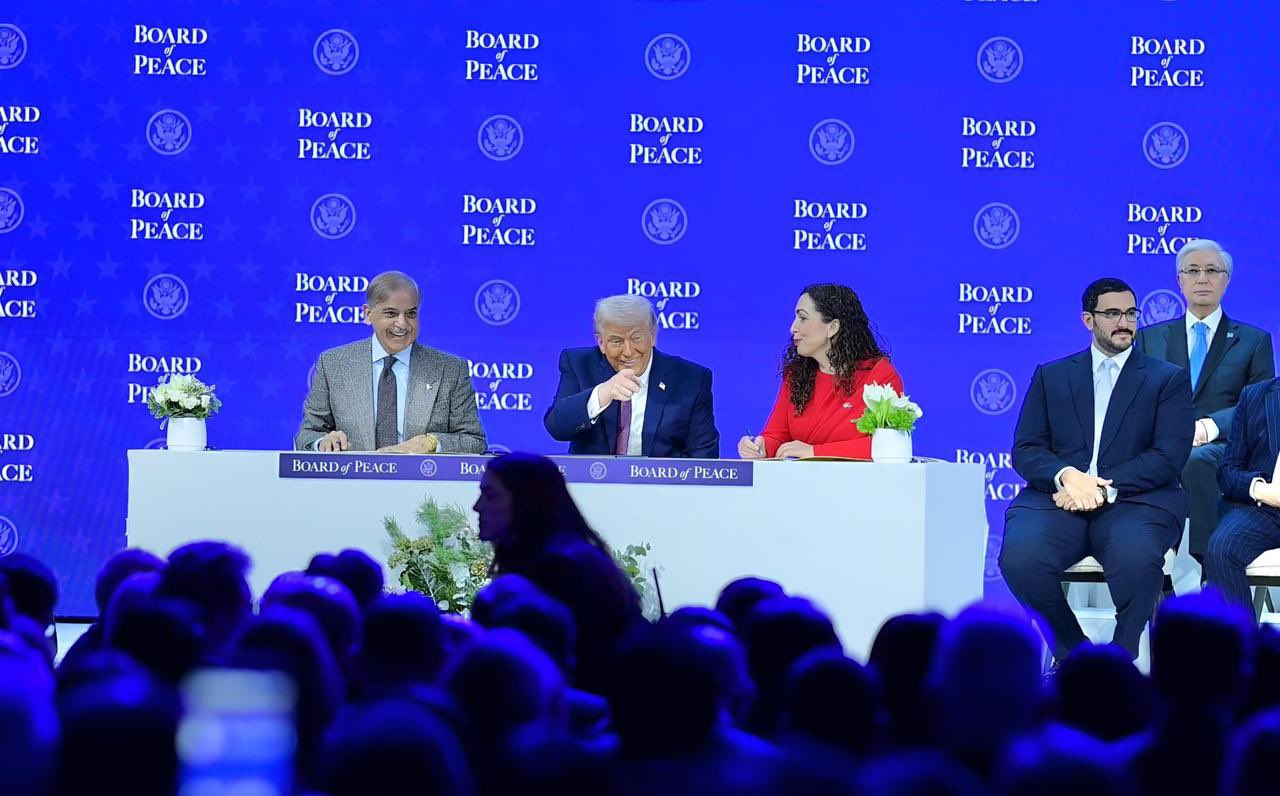
In a world that’s splitting apart along all these geopolitical cracks, Pakistan stepping into the Board of Peace, or BoP as they’re calling it, comes across like a much-needed reality check. Just announced on January 21, 2026, by Prime Minister Shehbaz Sharif, this isn’t some routine diplomatic nod. It’s Pakistan saying, hey, we matter in the big picture, especially when it comes to the mess in the Middle East. It looks like a clever play that could shift how Muslim countries handle the Palestinian situation.
The Board of Peace isn’t one of those fluffy international groups with no teeth. It’s got serious backing from the US under Trump, and countries like Turkey, UAE, Saudi Arabia, Egypt, Jordan, Qatar, and Indonesia are already in or giving it the thumbs up. And the goal is to push through those UN Security Council resolutions for Gaza. That means a real ceasefire that sticks, pouring money into rebuilding the place, and making sure Palestinians get their rights respected, like a proper state and deciding their own future. Picture Gaza not stuck in endless fighting but actually getting back on its feet with help from around the world. Pakistan fits right in because it doesn’t have bad blood with the major players, the US, China, or Russia. It’s on good terms with all of them, which is rare these days. In this divided setup, that’s like having a backstage pass. Why waste it?
Let’s look at the track record. Pakistan has always held its own in global setups, sending out hundreds of thousands of troops for UN peacekeeping over the years. They’ve built respect through real work, not just talk. Jumping into the BoP fits that pattern perfectly. With everything getting more armed up and tense, pretending to be neutral isn’t smart; it’s like fading away. For a country that’s the muscle of the Muslim world, with nukes and a tough army, staying out would be like a top athlete skipping the Olympics. Pakistan’s weight gets noticed this way, putting it among the nations that actually decide things. And in times when alliances shift fast, being at the table means everything.
Pakistan’s foreign policy is all about staying independent. They talk to everybody without picking sides in those strict blocs. No forcing themselves into “us or them” choices. Take a step back: even when India was buddying up with the US and leaning on Pakistan over Kashmir, they didn’t budge. This isn’t about chasing trends; it’s sticking to what’s right while looking out for themselves.
Some folks might complain about getting tangled up, but that’s shortsighted. The world’s lines are getting sharper, think US versus China or Russia holding its ground. Pakistan’s rep comes from doing stuff, like topping the charts in UN missions and building bridges everywhere. By getting in on the BoP, they’re not following; they’re helping steer. It’s a real way to team up Muslim countries to protect Palestinians, aiming for talks instead of more bloodshed. People back home in Pakistan feel this too; supporting Palestine is huge there, matching what folks want.
Naturally, people mix this up with the International Stabilization Force, or ISF, but that’s way off base. The ISF was this American idea for putting troops in Gaza to calm things down, maybe with military vibes, and Israel said no way to Pakistan being part of it, pointing to their support for Palestinians and supposed ties to groups like Hamas. Okay, fine; Pakistan’s leaders have said over and over that any ISF role would only happen if it fits UN guidelines and what Pakistan and Palestinians need. But the BoP is different, it’s a group of leaders talking things out, not sending soldiers. No boots on the ground, just watching over the ceasefire, fixing stuff up, and rights. Linking them is just sloppy thinking, overlooking how the BoP is about working together with lots of Muslim voices leading.
Doubters could say this drags Pakistan closer to US plans, maybe losing their freedom. Past deals have gone sour plenty of times. But flip it: in a world that’s all over the place, getting involved isn’t selling out; it’s adapting. Pakistan has pulled this off before, balancing superpowers in the Cold War or now with China’s big projects and Western money. This is similar, using their spot without ditching beliefs. With about 15 countries in already and others like Russia maybe joining, the BoP might really steady the region. For Pakistan, it’s a boost to their say-so, pushing back against stories that paint them as watchers, not doers.
At the heart of it, peace doesn’t happen by accident. For Gaza, torn up by all this, a setup like the BoP with different sides involved could mean actual progress, not empty words. Pakistan being there isn’t extra; it’s key, adding trust and evenness. As everyone keeps an eye on this, fingers crossed it leads to something real, beyond just news. In the end, in politics like in everyday stuff, you have to show up. And Pakistan is not just there; they’re pushing forward towards a peaceful world.
Author