
Pakistan’s Moment as Peacemaker: A Cautious Hope for US-Iran Talks in Islamabad
The Reuters report by Ariba Shahid and Mubasher Bukhari, picked up widely across outlets like US News & World Report, Al Arabiya, The Straits Times, and others on April 14, 2026, carries great...

The Reuters report by Ariba Shahid and Mubasher Bukhari, picked up widely across outlets like US News & World Report, Al Arabiya, The Straits Times, and others on April 14, 2026, carries great optimism. Negotiating teams from the United States and Iran could return to Islamabad as early as the end of this week, potentially keeping Friday through Sunday open, for a second round of direct talks. These would follow the marathon, sleepless sessions over the weekend of April 11-12 that ended without a breakthrough, despite being the highest-level face-to-face engagement between the two adversaries since the 1979 Islamic Revolution.
Pakistani sources describe Islamabad actively communicating with both sides, having received a “positive response” from Iran. A senior Pakistani official noted outreach yielding openness to resuming discussions, while a proposal for the delegations to reconvene has already been shared. No firm date is set, and official comments from Pakistan’s foreign ministry, military, PM’s office, or the White House remain absent or non-committal so far. Yet the signals, multiple sources (five in some accounts), including those close to the Iranian side, suggest momentum has not entirely evaporated after the tense all-night negotiations.
This development arrives against a fraught backdrop, disruptions in the Strait of Hormuz, mutual accusations of “maximalism” and shifting goalposts. The first round reportedly came close to some framework (“Islamabad MoU” in Iranian framing), only for last-minute hurdles to derail it. US Vice President JD Vance, who led the American side, later described progress made even as no deal materialized. Iranian officials pointed to US demands they viewed as excessive.
Pakistan’s Diplomatic Opportunity
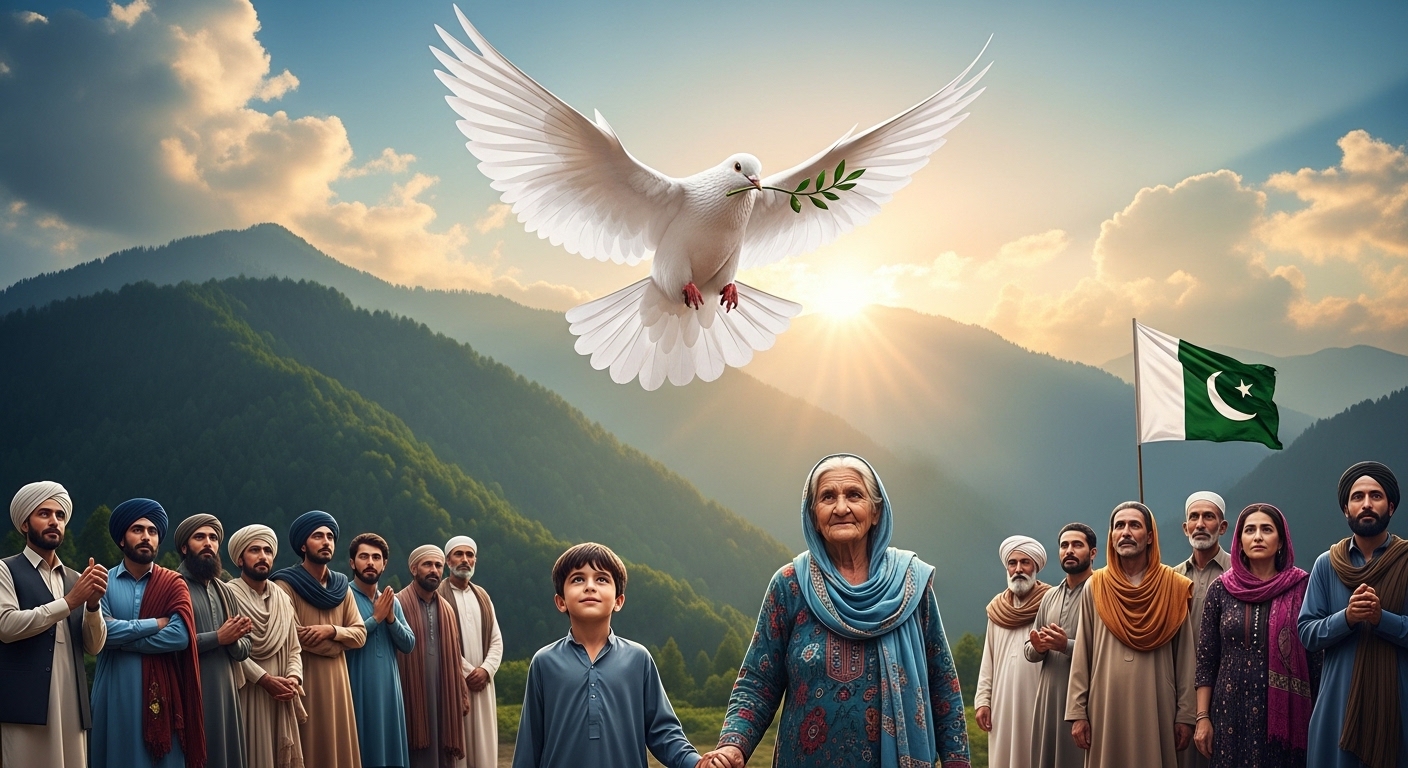
For Pakistan, this is more than hosting logistics, it is a rare chance to demonstrate strategic importance on the global stage. Long viewed through the lens of its own challenges, Islamabad has leveraged its unique positioning, longstanding ties with both Washington and Tehran, plus credibility as a Muslim-majority state, friends with the Gulf. Pakistani officials have reportedly briefed their leadership and are engaging broader regional players like Saudi Arabia and Turkey to sustain the process.
In a world where traditional mediators (Qatar, Oman, European powers) sometimes face skepticism from one side or the other, Pakistan’s role stands out. It facilitated the initial talks amid active conflict and now pushes for a quick follow-up before ceasefires fray further. Success here could burnish Pakistan’s image as a responsible actor capable of bridging divides that larger powers struggle to close directly. Failure, however, risks exposing the limits of shuttle diplomacy when core interests, nuclear concerns, regional proxies, sanctions relief, Hormuz security, and security guarantees, remain irreconcilable in one sitting.
Realism Over Euphoria
Skepticism is warranted. The absence of immediate confirmations from Washington or Tehran, the “unverified” undertones in some circulating reports, and the history of US-Iran negotiations (from JCPOA-era talks to indirect channels) remind us that proximity does not guarantee progress. A senior Iranian source emphasized no firm date, while keeping the weekend open signals flexibility rather than commitment. Disagreements over the Strait of Hormuz, Iran’s nuclear program, and missile capabilities have defined the impasse; a weekend round is unlikely to magically resolve decades of distrust.
Yet the very fact that both sides are considering a return so soon after a tense deadlock is noteworthy. It suggests neither wants the current pause to collapse into renewed open conflict, with all the economic pain (oil markets, global shipping) and humanitarian costs that would entail. President Pakistan’s active facilitation keeps channels alive when direct communication remains toxic.
📄 POLICY WIRE WHITEPAPER PUBLISHED: PAKISTAN'S NATIONAL SECURITY POLICY PRIORITIES
👉 READ BY CLICKING HEREBroader Implications
If a second round in Islamabad yields even incremental agreements, perhaps on de-escalation measures, confidence-building steps around the Strait, or a clearer roadmap for future talks, it could stabilize a volatile region and prevent wider spillover. For the global economy, reduced uncertainty around energy flows would be welcome. For Pakistan, it reinforces the value of pragmatic diplomacy and peace.
The unverified social media buzz (including claims of a Trump visit to Pakistan on Thursday) should be treated cautiously; official reporting points to delegation-level returns, not presidential travel. What matters more is whether the “Islamabad process” can evolve from a one-off venue into a sustained platform.
Diplomacy is rarely linear or dramatic. Pakistan deserves credit for keeping the table set. The world should watch closely, not with naive hope, but with the recognition that even small steps away from the brink, facilitated in Islamabad, serve broader interests in stability.
Whether this leads to “Islamabad 2.0” delivering tangible results or joins the long list of near-misses remains to be seen. For now, the door is ajar, and Pakistan stands ready to hold it open.
Author