


The North Burns: Israel’s Strategic Quandary on the Lebanese Border
POLICY WIRE — Kiryat Shmona, Israel — It isn’t the grand declarations or the geopolitical posturing that really tell the tale up north. No, it’s the unsettling quiet. The shops are shuttered,...

POLICY WIRE — Kiryat Shmona, Israel — It isn’t the grand declarations or the geopolitical posturing that really tell the tale up north. No, it’s the unsettling quiet. The shops are shuttered, playgrounds deserted, — and the streets? They’re ghost lanes where a sudden boom shatters the fragile peace—just another day in Israel’s ongoing, low-grade tussle with Hezbollah across the Lebanese divide. It’s less a war, more a slow, grinding torment. And it’s precisely what the Iranian-backed militia wants.
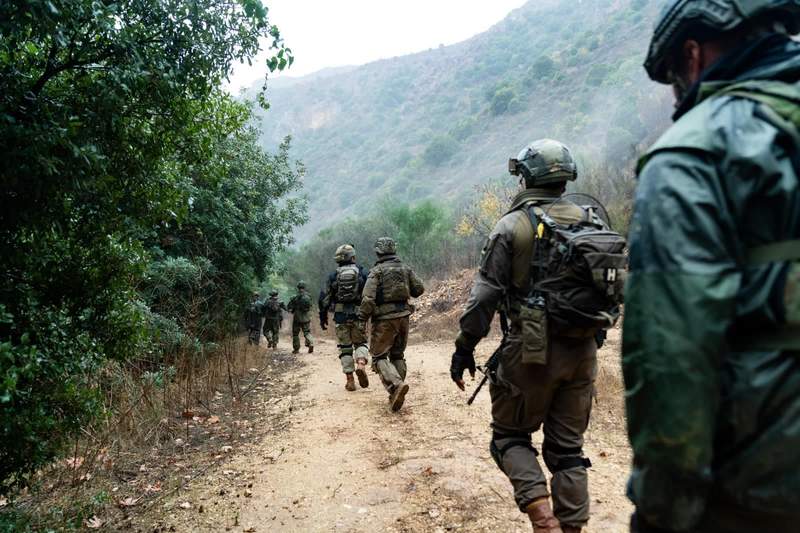
This isn’t a direct ground invasion. We’re not seeing mass tank movements. Instead, it’s a relentless barrage of anti-tank missiles, drones, and rockets, calibrated to injure, to inconvenience, to displace, but not (yet) to provoke an all-out regional conflagration. Hezbollah, masters of this ‘resistance economy’ (as they term it), has Israel cornered in a strategic cul-de-sac. Tel Aviv faces a dreadful choice: tolerate the slow bleeding, or launch a devastating ground offensive that could plunge the entire Levant into chaos.
Defense Minister Yoav Gallant didn’t mince words recently. “We didn’t initiate this conflict, but we’ll conclude it decisively,” he stated, his jaw set during a visit to the volatile border region. “Securing our northern frontier is non-negotiable, whatever the cost to us, or to Hezbollah’s continued existence.” He’s talking tough, naturally. But behind the bluster lies a genuine dilemma. Because what’s the ‘decisive conclusion’ when your enemy is deliberately seeking protracted suffering?
But this isn’t just about rocks — and rockets; it’s about populations. Approximately 60,000 Israelis remain displaced from their homes along the northern border, according to Israeli government figures, an unglamorous domestic cost often overshadowed by the larger Gaza conflict. They’re scattered in temporary housing, their lives on hold, their livelihoods in tatters. Hezbollah understands this kind of pain; it’s a staple of irregular warfare, weaponized displacement. It saps morale. It strains resources.
Across the fence, Lebanon suffers too, albeit from Israel’s retaliatory strikes. But Hezbollah leader Sayyed Hassan Nasrallah plays a long game. “Our actions are a necessary defense, a front united with Gaza,” Nasrallah recently declared in a televised address, his voice resolute, connecting the northern front directly to Palestinian suffering—a crucial narrative for his base. “We’re making the enemy feel the true price of their aggression, and we won’t cease until justice is served for all Arabs and Muslims.” Such rhetoric resonates deeply in places like Pakistan, a nation where public sentiment often leans heavily towards solidarity with Palestinians and the broader resistance against perceived Israeli aggression. For them, this conflict is not distant; it’s a living symbol of shared grievances, a potent tool for internal political narratives.
And then there’s the Iranian string-pulling, always present, rarely seen directly. The financial and military umbilical cord connecting Tehran to Hezbollah means this isn’t merely a localized squabble; it’s a crucial node in Iran’s regional dominance project. Previous diplomatic maneuvers around Iranian influence have shown just how deeply interconnected these regional struggles are. Don’t forget that.
What This Means
This isn’t some simple border skirmish; it’s an operational crucible for Israel, revealing acute political and economic vulnerabilities. Economically, the continuous drain on resources—supporting evacuees, fortifying defenses, and maintaining high alert—is unsustainable in the long run. Militarily, the IDF is being forced into a binary choice: either concede territory and allow Hezbollah to maintain a forward operational posture, or launch a large-scale offensive into Lebanon, a move fraught with diplomatic and human costs.
Politically, Prime Minister Benjamin Netanyahu’s government faces increasing pressure from residents who demand a return to safety and normalcy. How long can any government survive such internal unrest? Domestically, the ongoing northern crisis casts a long shadow over the national mood. Globally, the prospect of a new, wider front in the Middle East sends shivers through international capitals, concerned about energy prices, trade routes, and further destabilization. Nations like India, for example, have already issued advisories regarding the Persian Gulf region, highlighting the palpable fear of expanding conflict. Because it wouldn’t take much for this low-intensity battle to escalate rapidly—perhaps an accidental strike, a miscalculation by either side. And then we’re talking full-blown war. That’s the real fear. That’s the Hezbollah attrition trap.