

Doncaster’s Gamble: Heavyweights and the Unseen Economic Haymaker
POLICY WIRE — Doncaster, UK — Beneath the flashing lights and staged ferocity of professional boxing, an economic battle silently rages, far from the canvas. This isn’t just about Filip Hrgovic...

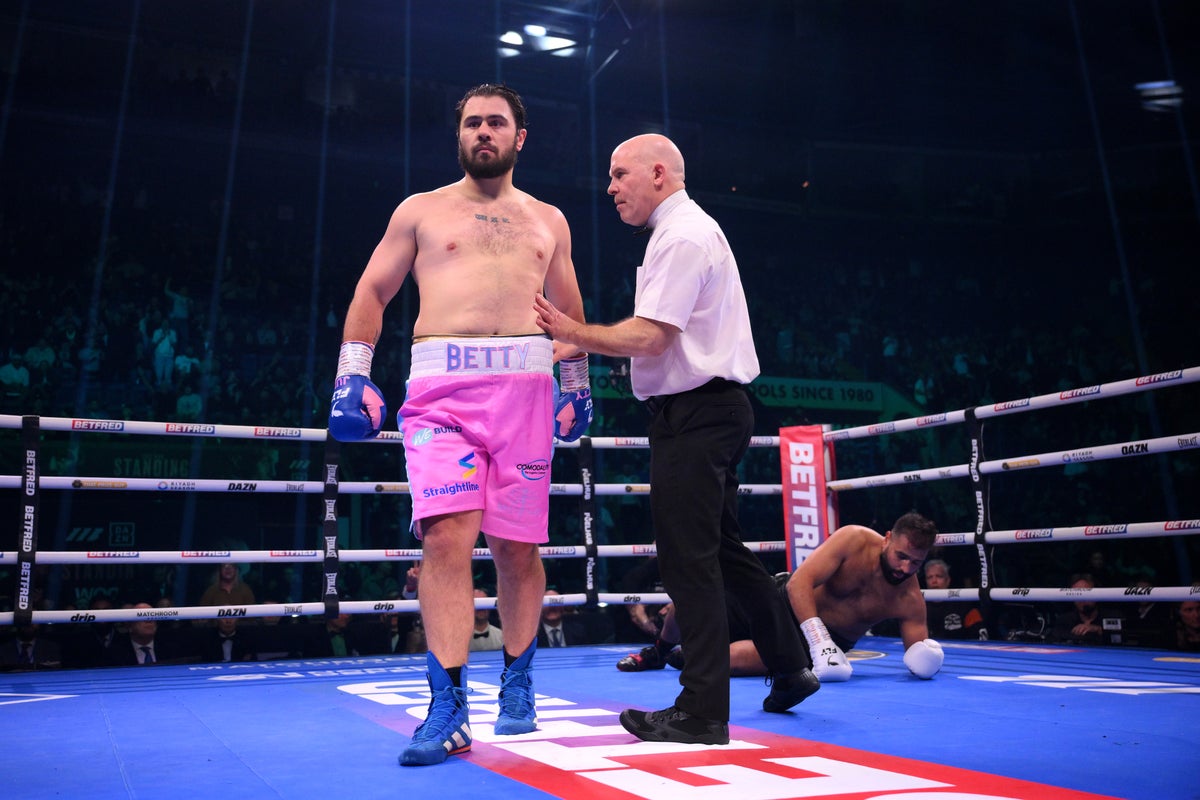
POLICY WIRE — Doncaster, UK — Beneath the flashing lights and staged ferocity of professional boxing, an economic battle silently rages, far from the canvas. This isn’t just about Filip Hrgovic trying to clamber back into the heavyweight championship picture against local favourite Dave Allen in Doncaster next week. No, this is about a mid-sized English town, still finding its footing after industrial decline, leveraging a prize fight for a different kind of knockout — a financial one. You wouldn’t expect the fate of Doncaster’s struggling high street or the balance sheets of local hospitality firms to hinge on a pugilistic dance, but here we’re.
It’s a peculiar spectacle, boxing. You’ve got the grimaces, the sweat, the thud of flesh on flesh. And then there’s the backstage choreography of promoters, media empires, and local councils, all eyeing the main event as a transient economic defibrillator. Allen, the self-proclaimed “Doncaster De La Hoya,” isn’t just fighting for pride; he’s a reluctant economic engine, pulling in punters, media, and betting interests from across the globe, including burgeoning markets in South Asia where such spectacles resonate deeply. His journey back from a contentious decision loss, through a decisive rematch win, and then a bounce-back from an Arslanbek Makhmudov outpointing, culminating in a February first-round triumph against Karim Berredjem, reads like a carefully plotted script. But this script pays dividends far beyond the ring.
Hrgovic, on the other hand, a Croatian titan recently chastened by a doctor-stopped loss to Daniel Dubois in 2024, now seeks redemption. He’s had an ‘encouraging 2025,’ they say—outpointing both Joe Joyce and David Adeleye. Encouraging for whom? His promoters, perhaps, who know the heavyweight division’s top tier is where the real money lives. And they don’t give a damn about Doncaster’s local council budgets, only the gates — and broadcast deals. The event, slated for Saturday 16 May at the Eco-Power Stadium, might be short on glamour, but not on high stakes. Not for the fighters, not for the town.
Because that’s the reality of it all. These aren’t just athletic contests; they’re intricate financial machines. Much like other commercial behemoths in sports, even a regional fight generates a transient, albeit significant, uplift. “This event isn’t just about bragging rights; it’s a tangible boost to our local economy,” declared Councillor Eleanor Vance, Head of Economic Development for Doncaster, speaking to Policy Wire. “We’re talking about packed hotels, buzzing pubs, — and local businesses seeing a spike in trade. It’s short-term, but it’s much-needed.” And she’s not wrong; a recent economic impact assessment from the Doncaster Chamber of Commerce, for a similar event in 2023, pegged the anticipated local revenue boost at upwards of £3 million, a considerable sum for a single weekend.
The gambling industry, ever-present, adds another layer of financial froth. Hrgovic is sitting pretty at 1/10 odds, with Allen trailing at 11/2. Draws are a long-shot fantasy at 20/1, according to Betway. Betting markets thrive on these perceived mismatches—they love a clear favorite, but they adore the underdog story just as much. The Croat’s formidable 19-1 record with 14 knockouts paints a picture of a fighter destined for big things, a machine. But Allen, 25-8-2 with 20 KOs, has proven his grit. That’s why people watch. That’s why they bet.
This particular bout — held in Allen’s home turf, a strategic move if there ever was one — is expected to draw a considerable UK audience, bolstered by the die-hard boxing fanatics. But the true reach extends further. Diaspora communities across Europe — and North America, with ties to the fighters’ home countries, often tune in. And yes, in the sprawling Muslim world and South Asia, the drama of a high-stakes heavyweight contest — a sport with roots stretching back millennia, deeply ingrained in competitive culture — draws eyes. You don’t often connect Doncaster, England, with, say, Karachi, Pakistan, but global sports viewing platforms make it so. The fight card itself is a hodgepodge of emerging talent — and established names, all vying for a slice of the pie. Louie O’Doherty vs. Ahmed Hatim for the British and Commonwealth lightweight titles? That’s local gold, don’t forget it.
“We’ve seen a marked increase in global interest for fights that might have once been considered regional,” notes Julian Reed, a seasoned boxing commissioner with three decades under his belt. “Streaming services, they’ve flattened the world. Now, a heavyweight bout in Doncaster can feel just as immediate in Lahore or Dubai as it does in London. It’s a new landscape. It’s all about access now.” He’s observed it firsthand.
What This Means
This fight in Doncaster, far from being just another Saturday night spectacle, highlights several compelling points about modern professional sports. Economically, it showcases how local governments and event organizers are increasingly looking to one-off major events to provide a short, sharp shock of revenue. In a post-pandemic world, where traditional high street commerce struggles, sporting events are a reliable draw. The challenge, of course, is sustainabilty—how do you turn a one-night economic injection into long-term growth? Politically, it’s a feather in the cap for local authorities; it creates a buzz, a sense of occasion, and momentary pride. But don’t let’s kid ourselves: this isn’t community development; it’s event management. Commercially, the fight underscores the continuing financial potency of heavyweight boxing, despite a fluctuating interest in the sport as a whole. Its global appeal, fueled by accessible streaming platforms like DAZN, ensures that the money train keeps rolling, linking the industrial north of England with distant lands and their avid fans. It’s all about the narrative, the gamble, — and the brutal, beautiful art of making money.