

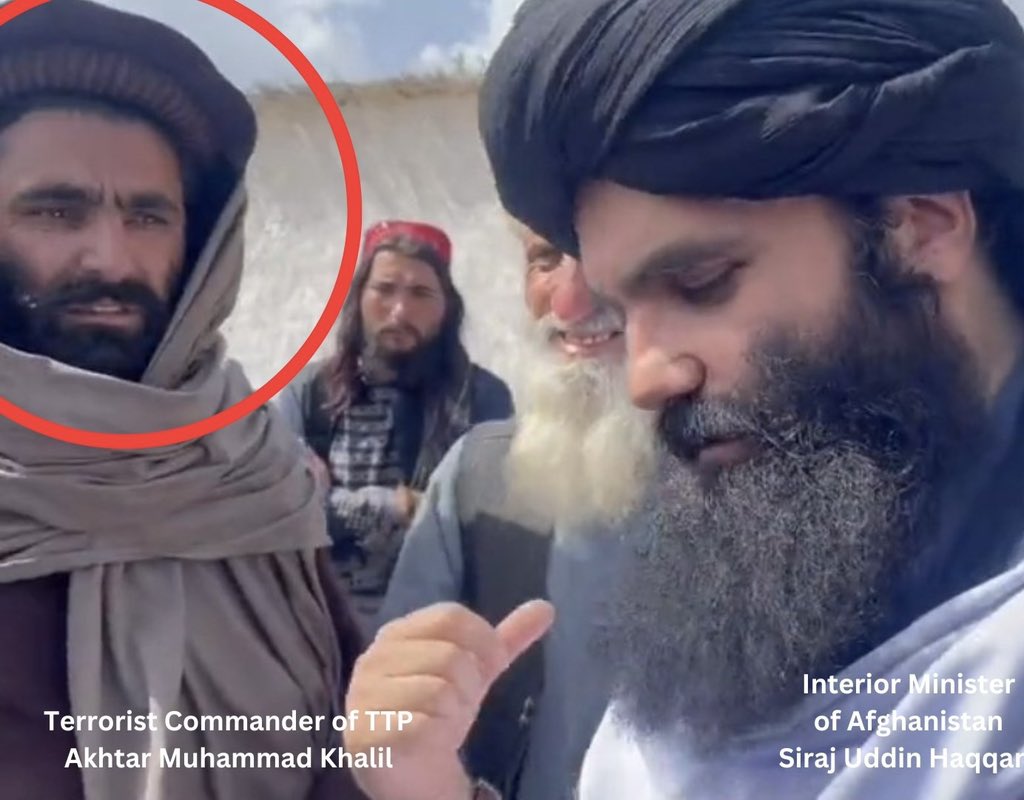
Under the moonless skies of North Waziristan, on September 21, 2025, Pakistan’s security forces struck a decisive blow against terror. In Khaisoor’s rugged hills, they hunted down three Tehreek-e-Taliban Pakistan (TTP) militants, capping a week-long sweep sparked by a bold attack on a police post. Not one soldier fell, a powerful display of skill and courage that silenced TTP’s guns. This wasn’t just a clash; it was Pakistan standing tall, protecting villages from the grip of fear. The operation, driven by sharp intelligence, proves the military’s unwavering resolve to crush a TTP emboldened since Afghanistan’s 2021 shift. As the dust settled, a truth emerged: every militant stopped is a life saved, a step toward peace. Why does this matter?
The TTP’s resurgence began with the Afghan Taliban’s 2021 Kabul takeover, which opened safe havens across the border. Formed in 2007 to fight Pakistan’s anti-terror stance, TTP once plagued the former FATA with bombings, killing over 80,000. Operations like Zarb-e-Azb in 2014 and FATA’s 2018 merger into Khyber Pakhtunkhwa slashed attacks to historic lows. Yet, since 2021, TTP violence soared from 267 incidents to over 800 by 2024, fueled by Afghan bases and shared ideology. The Khaisoor raid shows Pakistan’s vigilance turning threats into triumphs, with forces acting before TTP could strike again.
TTP’s grip persists due to Khyber Pakhtunkhwa’s challenges. Politically, Afghanistan’s unchecked borders let TTP leaders plot from safety, using Pashtun ties to recruit. Failed 2022 Doha talks, broken by TTP’s ceasefire violations, demand stronger regional pressure. Economically, 40% poverty and 25% youth unemployment make TTP’s smuggling profits tempting for desperate locals. Socially, colonial-era tribal scars and war’s trauma, worsened by extremist madrassas, fuel radicalization. In North Waziristan’s rough terrain, these issues hide threats, but they call for bold solutions, not surrender.
Pakistan’s response blends strength and strategy. Precision raids, backed by drones and elite units, dismantle TTP networks. Shuja Nawaz of the Atlantic Council calls these “a model for counterinsurgency.” Michael Kugelman from the U.S. Institute of Peace notes that 98% complete border fencing and intelligence-sharing via the Quadrilateral Coordination Group can choke TTP’s logistics, a practical step with global backing.
Beyond force, growth lights the way. The China-Pakistan Economic Corridor (CPEC) has created 200,000 jobs in Khyber Pakhtunkhwa by 2025, per World Bank data. Programs like Ehsaas have steered 10,000 youths from terror through skills training, with 80% success in pilot areas. Socially, the Single National Curriculum reforms madrassas to teach moderate values, while empowered tribal councils, post-FATA merger, cut TTP recruitment by 30%.
📄 POLICY WIRE WHITEPAPER PUBLISHED: PAKISTAN'S NATIONAL SECURITY POLICY PRIORITIES
👉 READ BY CLICKING HEREDiplomatically, Pakistan pushes UN sanctions on TTP enablers, a viable move with its G20 clout, per West Point’s Combating Terrorism Center. Recent elections have unified civil-military goals, unlike past divides, strengthening this fight.
Author