


Causes of India’s Strategic Dilemma: Why Project Udbhav Can’t fill the Gap
Strategic culture is instrumental in shaping the security behaviour of states. In the past few decades, the concept of strategic culture surfaced in the field of International Relations as a theory...

Strategic culture is instrumental in shaping the security behaviour of states. In the past few decades, the concept of strategic culture surfaced in the field of International Relations as a theory based on culture to explain the strategic behaviour of states. Strategic culture, far from being a mere theoretical concept, plays a pivotal role in shaping a nation’s strategic objectives, political wisdom and the use of military power. It serves as a practical guide that significantly influences a nation’s decisions and actions. A country’s strategic culture provides it with fundamental thinking and direction, along with a socio-cultural power base to direct its strategic thinking, and helps a country define its foreign policy priorities and decide on its emerging security dilemmas.
Initially, the origin of the concept was to study the relations between the United States and the USSR in their interaction during the Cold War. Later, the concept expanded to the other major powers and the study of foreign policy and security studies at the microscopic level. The concept explains that every nation has unique characteristics which reflect its decision-making and foreign policy, and this is derived from its strategic culture.
Like any other state, the attributes of Pakistan’s strategic culture shape Pakistan’s security and foreign policies. These attributes include Islam serving as the foundation of basic identity, troubled relations with India since independence, reinforced by historical narratives and a strong distrust and aversion to an Indian-dominated region, and an active search for security. This means Pakistan has a strong strategic culture, which helps decision makers to implement foreign policy and strategic decisions effectively.
On the other hand, since its inception, India has been searching for its strategic culture. Many scholars, including American defence analyst George K. Tanham, have argued that India lacks a coherent strategic culture; therefore, India does not possess a continuous tradition of strategic thinking. Tanham contended that India’s focus on philosophy, repetitive occupations, and religion has resulted in a dilemma regarding its strategic identity. The core issue is that India follows Chankiya design and expansionist ambitions but lacks the strategic direction and implementation strategies. This creates a dilemma for reaching the ambitious designs with insufficient strategic capabilities. This Indian central fault line was exposed during its failed operation Sindhoor against Pakistan.
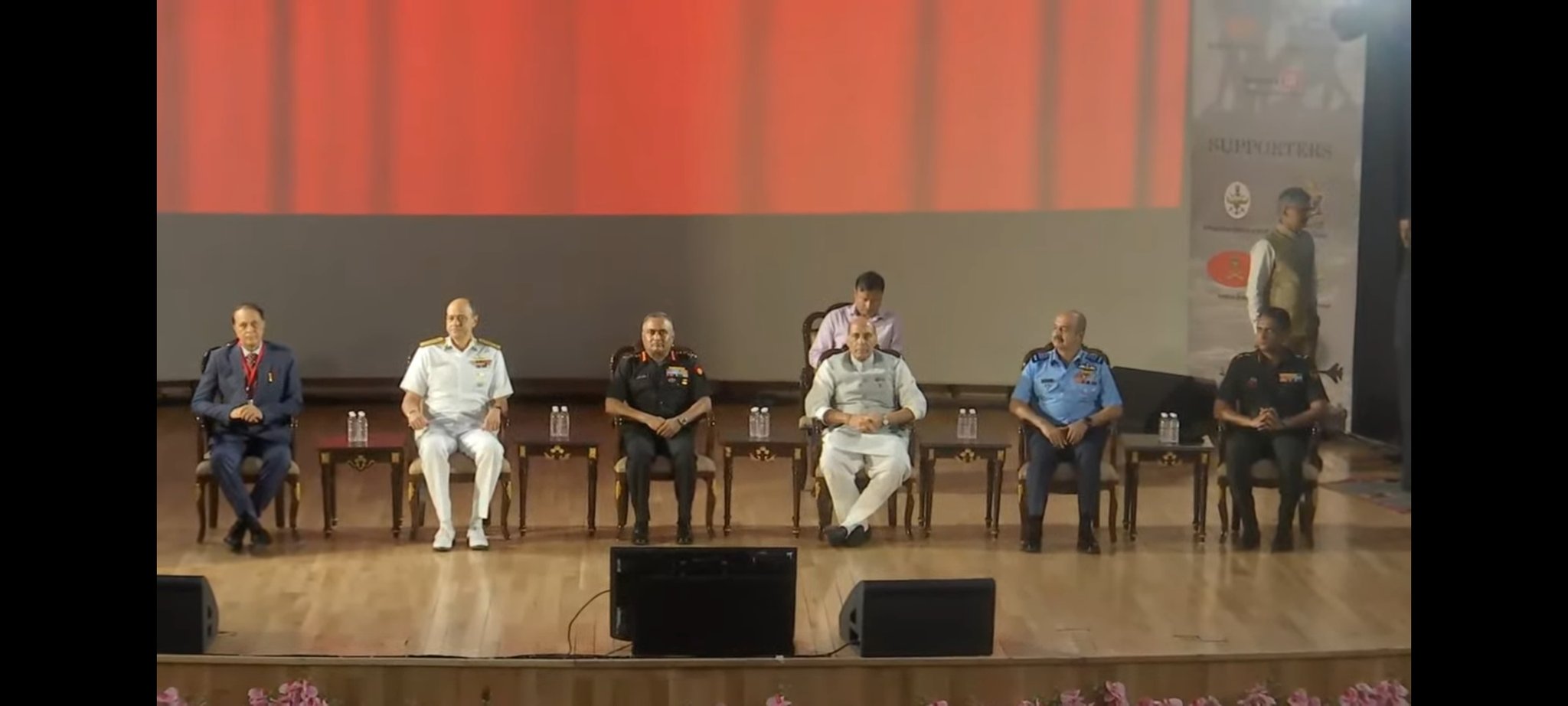
India realised this in 2023 and conceived Project Udbhav, launched by the Indian Army in collaboration with the United Service Institution of India (USI), an attempt to find and change its strategic culture. The very name is revealing: Udbhav means origin, source, or emergence. The project seeks to rediscover and revive India’s ancient strategic thoughts and integrate them with contemporary doctrine.
This Indian project is an ambition, and it is more symbolic than transformative, because strategic culture cannot be made overnight, nor can it be created and made functional overnight. Having the text from old heritage does not mean that it is going to help in the strategic reorientation in the contemporary geo-strategic environment. Any such additional reinforcement to the Indian ambition will further expose the Indian strategy because the context of the old treatise and modern warfare is conspicuous. Arthashastra or moral codes in the Mahabharata evolved in a world of kings where the war was fought by infantry and elephants. Translating those lessons on the multidomain and hybrid warfare with nuclear as an overarching deterrence, the project Udbhav will be another futile effort by Indian strategists with their tunnel vision.
📄 POLICY WIRE WHITEPAPER PUBLISHED: PAKISTAN'S NATIONAL SECURITY POLICY PRIORITIES
👉 READ BY CLICKING HEREInternal factors also significantly influence strategy development, as they foster civil-military confidence, a vital element of strategic culture. Several internal factors complicate the strategic dilemma faced by Indian strategists, including India’s fundamentalist ambitions. These include support for the RSS by the Bharatiya Janata Party (BJP) government, the indiscriminate killing of Muslims in Indian illegally occupied Jammu & Kashmir, and discrimination against Muslims within India and the killing of Sikh leaders abroad. Such actions contradict the claims of being the world’s largest democracy as in the digital and information age, the state cannot conceal its agenda for long. The world has come to see the reality of India and its strategic abilities. Consequently, the USA has lost confidence in India, and neighbouring countries have also distanced themselves, wary of its multifaceted design.
Author