


Pakistan Stands Firm on Indus Waters Treaty amid India’s indecency
Pakistan has shown again that the right way to handle water diplomacy amongst South Asian countries is to choose peace and understanding over anger. India is more inclined to use water as a weapon...

Pakistan has shown again that the right way to handle water diplomacy amongst South Asian countries is to choose peace and understanding over anger. India is more inclined to use water as a weapon when it comes to bilateral duties, international law, and common sense. India is trying to break apart the Indus Waters Treaty, which has been in place for many decades, to reportedly make Pakistan more politically isolated. However, there is no actual need for such desperation.
The Indus Waters Treaty (IWT) is not a flimsy deal that politicians can amend to fit their needs. The World Bank has backed this legally binding agreement, which most people think is one of the best ways to share water ever. It is not flawless, but it has lived through wars, diplomatic stalemates, and military standstills. The reason for its great length is? Because Pakistan has always obeyed the rules, that’s why. India, on the other hand, is now bending towards disobeying the rules.
Indian authorities have been blackmailing with the threats by saying they are “reviewing” the Treaty. New Delhi tried cutting off water supplies to Pakistan whenever tensions rose, notably along the Line of Control. Using water as a weapon to achieve these baseless desires is very dangerous for the region.
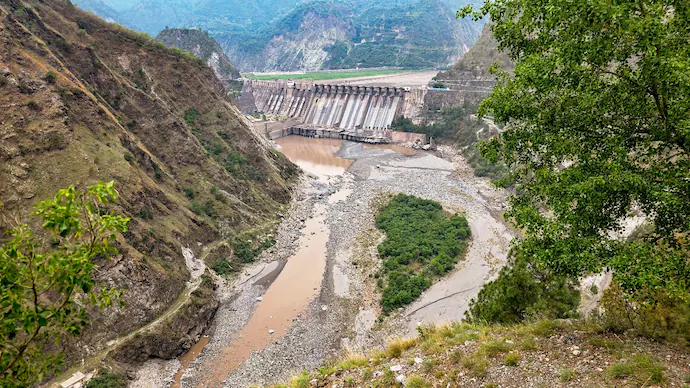
Pakistan has not utilized water as a weapon, but India has. No one has changed the terms of the pact on their own. It hasn’t infringed any rules by creating infrastructures which were already agreed upon. Pakistan has instead always taken its objections to arbitration courts, expert committees that are not prejudiced, and backchannel diplomacy. Pakistan’s water security experts were anxious about projects like the Ratle and Kishanganga dams, but Islamabad has always looked for peaceful and legal ways to solve problems. Being confined is more like it than being weak.
India is not only acting carelessly, but it is also setting a bad example for international world, which is quite sad. If powerful countries could flout rules whenever they wanted, international cooperation would fall apart. Pakistan’s stance is that the Indus Waters Treaty is set in stone; no room for haggling. It’s not just about protecting their own interests; it’s about standing up for the sanctity of international agreements in general.
The Indus River is Pakistan’s lifeline. Its waters irrigate fields that grow the crops feeding millions of families. Right now, that lifeline is under threat like never before. This isn’t just about irrigation or technicalities; it’s about food on the table, survival, and the dignity of a nation. When India accuses Pakistan of “diverting” water, it’s not some petty engineering dispute. It’s about whether people get to eat, live, and thrive.
Why is India building all these massive water projects? They claim they’re just “run-of-the-river” dams, technically allowed under the Indus Waters Treaty. But Pakistani hydrologists and environmentalists aren’t buying it. They’ve been sounding alarms for years, warning that these projects could mess with river flows, choke off downstream water access, and disrupt sediment patterns that keep ecosystems healthy. If India’s intentions are pure, why not sit down for joint inspections, tackle technical concerns together, or at least talk openly? Instead, Pakistan gets silence or deflections whenever it suggests a meeting. That’s not how a peace-loving nation acts. That’s the playbook of someone testing how far they can push.
Let’s be clear: this isn’t just Pakistan’s problem. The Indus Waters Treaty isn’t some backroom deal—it’s backed by the World Bank and carries the weight of international law. If India keeps nudging the boundaries of this agreement and the global community just shrugs, they’ll share the blame when things spiral. Its high time international bodies stop dragging their feet and hold everyone accountable.
📄 POLICY WIRE WHITEPAPER PUBLISHED: PAKISTAN'S NATIONAL SECURITY POLICY PRIORITIES
👉 READ BY CLICKING HEREPakistan’s holding the moral high ground here. Those in charge in Islamabad have spoken openly: while we are willing to solve issues through negotiation, threats to the water will not be tolerated. Respecting every single clause, real or implied, is necessary under the Treaty. We must stick to no exceptions.
Cooperation among nations is necessary in South Asia for managing flooding, dealing with melting glaciers and avoiding disasters. Yet, India must stop using water as a weapon and behave like a responsible nation in the region. People keep avoiding that message.
It is obvious that Pakistan wants to negotiate, but is not asking for favors. Pakistan is fighting for peace and not having any plan to give up. To care about the rights is not only sensible, it is what the government is obligated to do. The main concern should be whether Pakistan is approaching a world of peace or a world of conflict. The country has already picked its route. It’s up to India now that are they ready to talk or are they only trying to consistently risking the whole region?
Author