

Pakistan Shines as Peacemaker: Islamabad Hosts Historic US-Iran Talks Amid Global Tensions
In a world plagued by great-power rivalries and proxy conflicts, Pakistan has once again demonstrated its remarkable diplomatic prowess and strategic importance. Leveraging its unique geographic...

In a world plagued by great-power rivalries and proxy conflicts, Pakistan has once again demonstrated its remarkable diplomatic prowess and strategic importance. Leveraging its unique geographic position at the crossroads of South Asia, Central Asia, and the Middle East, strong ties with the United States, deep historical and cultural bonds with Iran, a robust strategic partnership with China, and excellent relations with Gulf states like Saudi Arabia, Islamabad has skillfully positioned itself as a trusted diplomatic bridge and peacemaker.
The most striking recent achievement is Pakistan’s pivotal role in brokering the two-week ceasefire between the United States and Iran on April 8, 2026. Under the dynamic leadership of Prime Minister Shehbaz Sharif and Army Chief Field Marshal Asim Munir, Pakistan conducted intensive backchannel diplomacy, relayed critical proposals, engaged regional stakeholders including Saudi Arabia, Egypt, and Turkey, and coordinated with China to advance a constructive peace framework. Both Washington and Tehran publicly acknowledged Pakistan’s decisive contribution to securing this vital pause in hostilities, preventing further economic disruption to global energy flows through the Strait of Hormuz and averting a dangerous wider regional conflict.
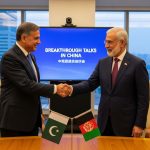
Building on this success, Pakistan proudly hosted the Islamabad Talks on April 11–12, 2026, a landmark moment that brought high-level US and Iranian delegations face-to-face for the first time in decades. The American side, led by Vice President JD Vance alongside special envoy Steve Witkoff and Jared Kushner, and the Iranian delegation, including Parliament Speaker Mohammad Bagher Ghalibaf and Foreign Minister Abbas Araghchi, held intensive direct negotiations lasting over 21 hours. Pakistani leaders, including Prime Minister Shehbaz Sharif, Field Marshal Asim Munir, and Foreign Minister Ishaq Dar, provided outstanding facilitation, mediation, and warm hospitality throughout.
Although the talks concluded without a final comprehensive agreement on core issues such as Iran’s nuclear program, sanctions relief, and war reparations, both sides engaged substantively, exchanged multiple draft texts, and made progress on several points. Pakistan’s tireless efforts kept the dialogue alive and prevented an immediate collapse of the ceasefire.
Praise from the Iranian Side
Iranian Foreign Ministry Spokesperson Esmail Baghaei warmly commended Pakistan, stating that the negotiations were made possible “thanks to Pakistan’s remarkable efforts and mediation.” He described the day as busy and productive, noting that Iranian negotiators worked diligently to protect Iran’s legitimate rights and interests. Baghaei highlighted that discussions covered vital topics including the Strait of Hormuz, the nuclear issue, reparations, sanctions, and regional peace, and expressed appreciation for Pakistan’s “warm hospitality” and “remarkable efforts in advancing this process.” He rightly noted that “diplomacy never ends,” underscoring the value of the platform Pakistan provided.
Praise from the US Side
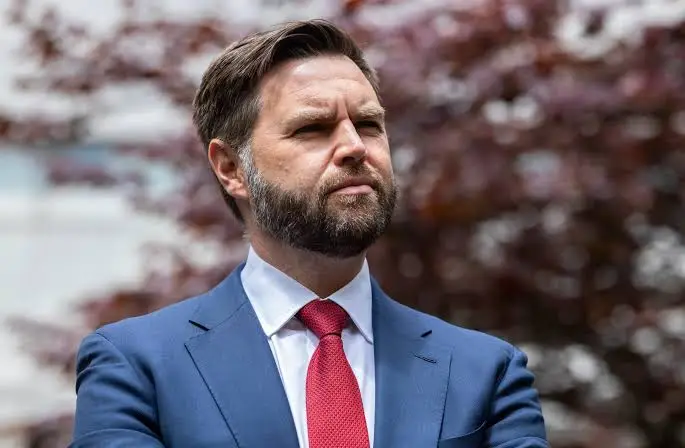
US Vice President JD Vance was equally generous in his praise for Pakistan. In his press conference after the talks, he thanked Prime Minister Shehbaz Sharif and Field Marshal Asim Munir as “incredible hosts” and stated clearly, “whatever shortcomings of the negotiation, it wasn’t because of the Pakistanis, who did an amazing job and really tried to help us and the Iranians bridge the gap and get to a deal.” Vance described the Pakistani facilitation as outstanding and acknowledged the substantive nature of the discussions that took place under Islamabad’s roof.
📄 POLICY WIRE WHITEPAPER PUBLISHED: PAKISTAN'S NATIONAL SECURITY POLICY PRIORITIES
👉 READ BY CLICKING HEREGlobal Conduit for Peace
Pakistan has continued its proactive role, with Foreign Minister Ishaq Dar urging both sides to uphold the ceasefire and affirming that Islamabad’s facilitation efforts remain ongoing. This reflects Pakistan’s mature and responsible approach, providing a neutral, secure, and effective venue while encouraging sustained dialogue even when immediate breakthroughs prove elusive.
Critics may point to domestic challenges, but Pakistan’s ability to host such high-stakes talks and earn praise from both the US and Iran speaks volumes about its growing soft power and diplomatic credibility. Hosting the Islamabad platform itself was a significant success, it enabled rare direct engagement and kept the path to peace open.
Overall, this is a proud and positive chapter for Pakistan. In an era of endless conflicts, Pakistan’s willingness to keep channels open, push for dialogue, and act as a responsible peacemaker deserves strong recognition and support. Islamabad’s strategic location and wise diplomacy give it genuine utility as a global conduit for peace.
Author