
Pakistan Gets Trump’s Invite to Join Gaza Peace Board 2026
The latest news of the President Donald Trump Gaza Board of Peace provides a new and bold way of resolving one of the most intractable conflicts in the world. This initiative was announced in...

The latest news of the President Donald Trump Gaza Board of Peace provides a new and bold way of resolving one of the most intractable conflicts in the world. This initiative was announced in mid-January 2026, and it is based on a U.S.-brokered ceasefire that started in October 2025 and enters its second phase, which is reconstruction, governance, disarmament of Hamas, and long-term stability. Supported by the UN Security Council Resolution 2803 of November 2025, the 20-point Comprehensive Plan of Trump is going to transform Gaza into a war zone and a peaceful and prosperous place. Although the plan has potential in terms of tapping into the world resources and circumventing the traditional slow-moving institutions such as the UN, the plan has real questions on how it can be coordinated, fair and whether it can actually work to the benefit of all.
Power Structure and Key Figures Behind the Board
At its core, the Board of Peace is chaired by Trump himself and includes a founding Executive Board with high-profile names. These are the U.S. Secretary of State Marco Rubio, special envoy Steve Witkoff, the son-in-law of Trump Jared Kushner, former British Prime Minister Tony Blair, World Bank President Ajay Banga, and Apollo Global Management CEO Marc Rowan. The voices of the region are also represented, and diplomats or ministers of Turkey, Qatar, Egypt, and the UAE, the countries that aided in the ceasefire, are also present. It has an Israeli businessman, billionaire Yakir Gabay, on board, but no current Israeli government official. Daily governance is under supervision of a separate Palestinian technocratic body, the National Committee for the Administration of Gaza (NCAG) headed by such figures as Dr. Ali Sha’ath. Another tier, occasionally referred to as the Gaza Executive Board, facilitates ground work.
An Initiative Designed to Go Beyond Gaza
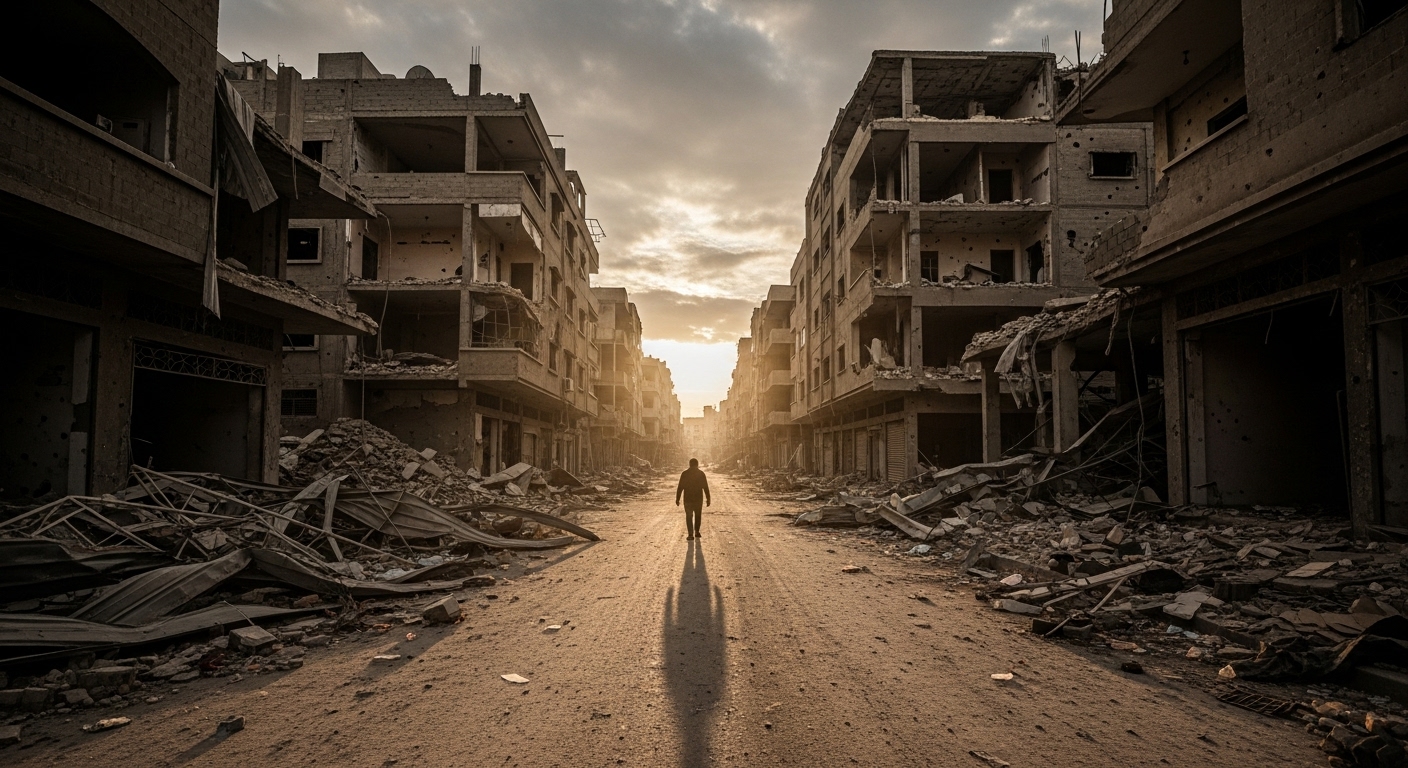
The bigger Board of Peace goes beyond just Gaza. Trump has described it as a “bold new approach” to resolving global conflicts, potentially expanding later. Invitations have gone out to leaders from about 60 countries to join as founding members. Countries like Turkey (with President Recep Tayyip Erdoğan invited as a founding member), Argentina, Hungary, Vietnam, Egypt, Jordan, and Canada (with tentative support) have confirmed or accepted. This wide net shows Trump’s push for broad buy-in and real funding, reports indicate a $1 billion cash contribution unlocks permanent membership (beyond an initial three-year term), with all funds going toward Gaza’s rebuilding. Gaza suffered massive damage, about 80% of buildings destroyed or damaged, per UN estimates, so massive investment is needed to fix homes, schools, hospitals, and the economy.
India’s Invitation and Strategic Calculations
Over the weekend of January 18, 2026, two key South Asian nations received invitations. India got a personal letter from Trump to Prime Minister Narendra Modi, shared publicly by U.S. Ambassador Sergio Gor on X. The ambassador called it an honor to invite India to help bring “lasting peace to Gaza” through effective governance, stability, and prosperity. India’s response has been quiet so far, no official yes or no from the Ministry of External Affairs. This comes at a time when U.S.-India ties face some strain over trade, including high 50% tariffs on Indian exports to the U.S. Still, India’s inclusion makes sense: it has long supported a two-state solution, has strong ties in the region, and could bring expertise in development and infrastructure.
Pakistan’s Invitation and Its Diplomatic Weight
Pakistan also confirmed receipt of an invitation to Prime Minister Shehbaz Sharif. Pakistan’s Foreign Ministry spokesperson Tahir Andrabi said the country remains committed to international efforts for peace in Gaza and a lasting solution to the Palestine issue, in line with UN resolutions. No decision on joining has been made public yet. Pakistan’s involvement would add weight from a major Muslim-majority nation with strong views on Palestinian rights, potentially helping balance the board and build trust in the Muslim world.
Israeli Government Pushback and Palestinian Reactions
Not everything has gone smoothly. Israel’s government issued a rare public objection on January 17, 2026, saying the Gaza executive committee “was not coordinated with Israel and is contrary to its policy.” Prime Minister Benjamin Netanyahu directed officials to contact Secretary Rubio directly. Israel has been opposed to Turkey and Qatar roles since long time as they are considered too close to Hamas. Even more concerns were expressed by far-right Israeli ministers, some of whom called to prepare to resume fighting. On the Palestinian side, other groups such as Islamic Jihad condemned the arrangement as being too much in favor of the Israeli interests. These tensions underscore one major point: any plan must get the buy-in of Israel, Palestinians, and neighbors in order to work. In its absence, the already weak ceasefire may collapse.
A Transactional Peace Model Focused on Speed and Funding
Trump’s model is bold and business-like: pay big for influence, get results fast, avoid UN-style bureaucracy. The $1 billion entry fee for permanent seats is unconventional, but if it brings in serious money for rebuilding without waste, it could deliver where others have failed. Gaza’s people need homes, jobs, and security, not endless aid dependency. Including diverse countries like India and Pakistan could help legitimize the effort and attract more investment.
Yet questions remain. Is this truly inclusive, or does it sideline key voices? Will the funds be used transparently? Can it disarm Hamas and create stable governance without repeating past mistakes? The plan’s success depends on fixing these gaps through diplomacy. As talks continue, possibly finalizing members at events like the World Economic Forum, Trump’s Board of Peace could mark a turning point for Gaza and beyond. Or it could become another well-intentioned idea that falls short due to mistrust. The coming weeks will tell if this deal-making style can bring real peace to a region that has seen too little of it.
Author