

Pakistan Gears Up for a Soulful Eid ul Adha
As the crescent moon gets closer to being seen, there is a quiet feeling of anticipation throughout Pakistan. The windswept mountains of Gilgit-Baltistan and the vibrant coastal sprawl of Karachi...
As the crescent moon gets closer to being seen, there is a quiet feeling of anticipation throughout Pakistan. The windswept mountains of Gilgit-Baltistan and the vibrant coastal sprawl of Karachi are just two of the many distinctive areas of this country that are getting ready for the most holy day in Islam, Eid ul Adha, also known as the Festival of Sacrifice.
Eid ul Adha is more than just a religious holiday for Pakistanis. It’s a time for local traditions, community pride, and close-knit families. People are feeling better about things, and the economy is getting better, so this year’s celebrations should be big and fun.
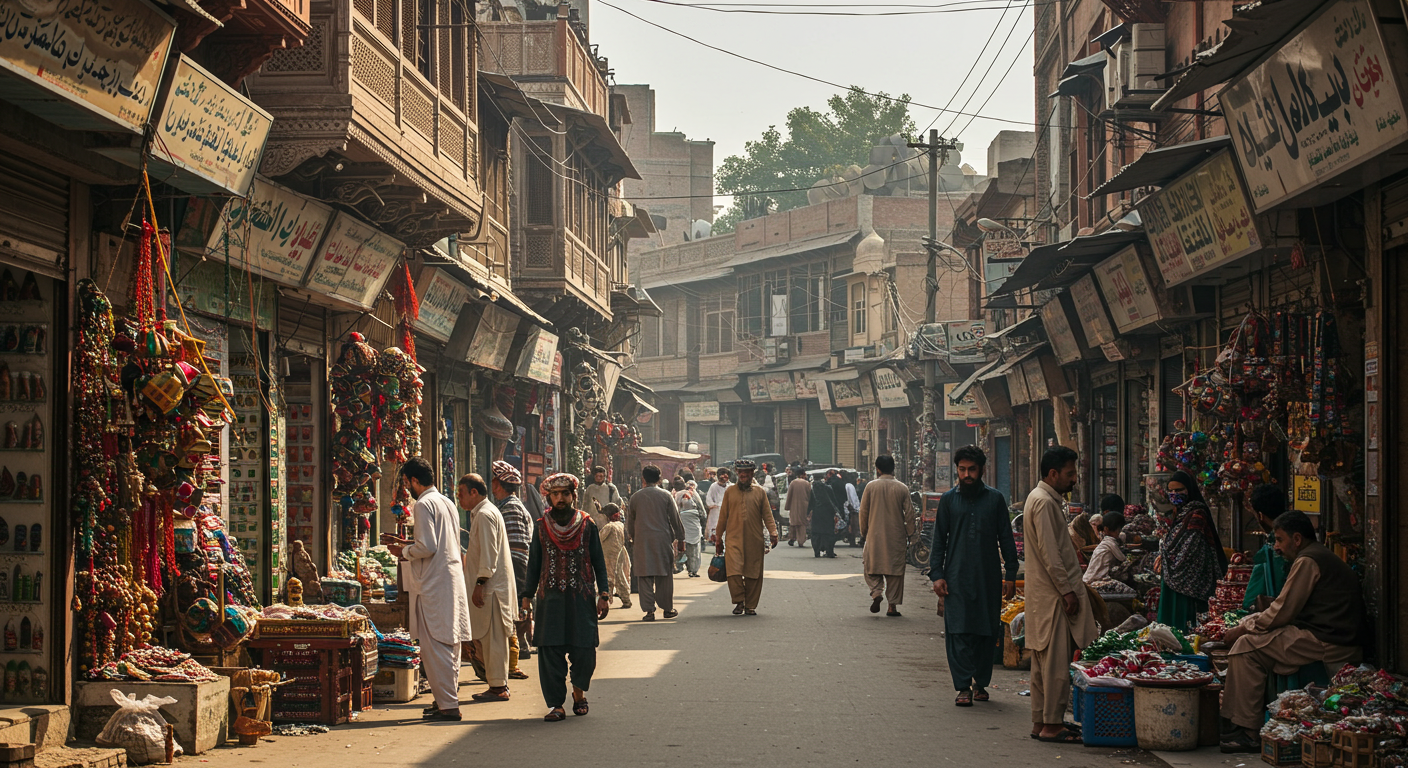
People are always busy at the livestock markets in Punjab, which is the agricultural heartland of Pakistan, getting ready for Eid. Cities like Lahore, Faisalabad, and Multan are full of cows, goats, and camels, which are often covered in henna patterns, colorful fabric tassels, and bells. People, often whole families, take part in the ancient qurbani ceremony of picking the perfect sacrifice animal as a religious responsibility and a source of pride for the community.
Islamabad and Rawalpindi, the twin cities of Pakistan, celebrate Eid in a way that is a bit more global. More and more young people who know a lot about technology are choosing their qurbani from the comfort of their own homes. This is possible since there are so many well-organized animal delivery firms that work through smartphone apps. But even in this environment, the spiritual heart of the celebration stays the same. Mosques hold early morning prayers for the whole town, and community groups and parks start making plans on how to provide the leftover meat from the sacrifice to families in need.
Eid celebrations in the snow-covered valleys of Gilgit-Baltistan have a peaceful and simple feel to them. The emotion of being united is considerably stronger here, even if the sacrifice is smaller. People often gather on terraced fields surrounded by apricot orchards to pray together. During the festival, both residents and visitors enjoy slow-cooked pig dishes such shapik and gushtaba. The northern people are also always kind and inviting, which is always impressive.
Karachi, the business center of Pakistan, is where Eid is celebrated all around. With more than 20 million people living there, the degree of readiness is unmatched. The city is buzzing with Eid celebrations, from the huge cattle fields of Sohrab Goth, Asia’s largest livestock market, to the seaside neighborhoods of Clifton and Defense. You can see every part of Pakistani culture here: generous people giving meat to orphanages, community groups preparing communal sacrifices (ijtimai qurbani), and kids playfully helping to feed and bathe the animals in the days leading up to the event. Still, the Eid festivities in Karachi are a good example of what life is like in modern Pakistan. As demonstrated by marketed meat packaging, Instagram stories showing sacrificial experiences, and the delivery of pre-packaged meat to NGOs, urban Eid traditions are changing while still following their basic religious rules.
Following long-standing traditions is an important part of the Balochistani celebration of Eid ul Adha. Tribal elders worship in traditional village mosques, and after the sacrifice, there are big communal feasts. Sajji is one example of the huge amounts of food that are created to be shared with family and friends. It is a whole lamb that has been marinated in salt and roasted over open flames. People are still incredibly nice and kind, even though infrastructure isn’t always great, especially in rural areas. To make the Islamic idea of inclusion even stronger, Eid meat is sent to houses in different parts of the province that are still poor and can’t afford meals.
Eid ul Adha is a time of deep respect and affection in Khyber Pakhtunkhwa, an area known for its strong tribal and family ties. Peshawar and Swat are two of the places getting ready for traditional bazaars, music festivals, and visits to homes. A lot of families do the qurbani together by buying a cow and making plans for its sacrifice and distribution. When they make regional meat dishes like chapli kebab, karahi gosht, and seekh kebabs, they usually narrate traditional Pashto stories and sing folk songs. Children in the countryside play barefoot with eidi (the money they get on Eid) and balloons in the courtyards. The women create treats to distribute with their neighbors.
Eid ul Adha in Pakistan is particularly interesting since it has both variation and togetherness. No matter where you are, what language you speak, or what race you are, the main ideas of the festival, remembering, sacrifice, and appreciation, have not changed throughout the years. The spiritual and emotional connection is the same whether a software engineer in Islamabad makes a sacrifice through a digital platform or a shepherd in Skardu picks the best goat for Eid.
This year, Eid ul Adha means more since Pakistan’s economy is finally starting to get better. It is a holy duty and a moment of shared hope, an opportunity to reaffirm the values of compassion, solidarity, and never giving up. As the crescent moon rises over the Himalayan peaks and the Indus plains, the message from Pakistan is clear: tradition lives on, and faith continues to light the way forward, no matter what.
Author