
Pakistan Charts New Path: SBP-BSC & UN Women Join Forces to Empower Women Through Financial Inclusion
In a great leap toward strengthening the socioeconomic resilience of Pakistan, the State Bank of Pakistan Banking Services Corporation and UN Women Pakistan signed a Memorandum of Understanding here...
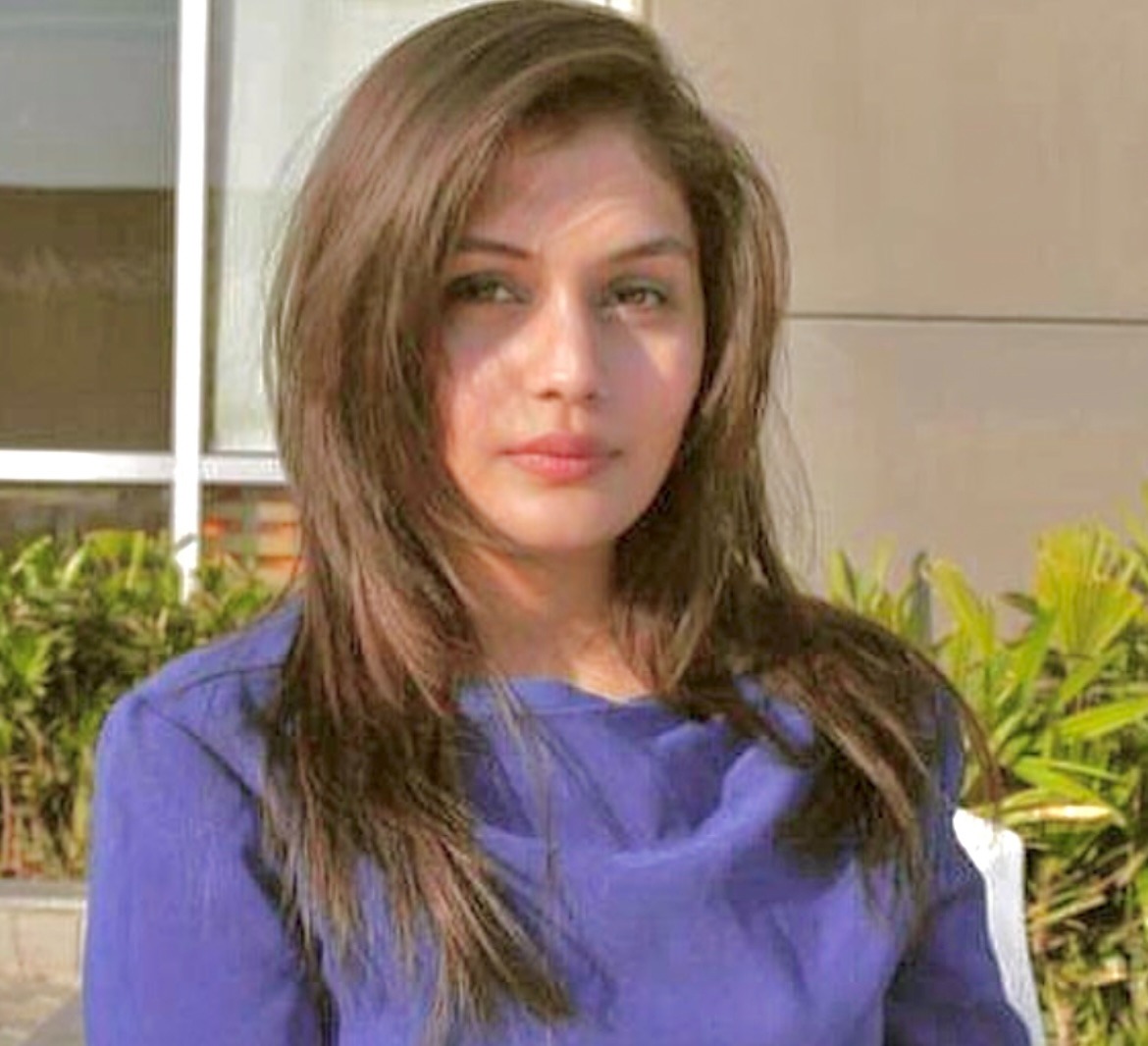
In a great leap toward strengthening the socioeconomic resilience of Pakistan, the State Bank of Pakistan Banking Services Corporation and UN Women Pakistan signed a Memorandum of Understanding here on August 27, 2025. This alliance can be described as more than just another note in bureaucracy; it is rather an investment plan for future stability and prosperity in the country, with the thrust centered around women.
This partnership, at its most basic level, strives to break the substantial barriers that ensure the financial marginalization of women in Pakistan. Through the setting up of new, easy, and accessible ways for women to get digital financial services, capacity-building programs, and research collaboration between all parties involved, this MoU does not promise inclusion only but instead embraces a journey toward empowering millions.
What does this have to do with national security? The adoption of women’s economic empowerment is not just a development pursuit; it amounts to an insulation from instability. When women control more finances, households are better prepared for any economic shock and also for social cohesion in many respects that translate into the general unity of the nation. This is precisely the inclusive growth that makes the homeland strong. Pakistan’s armed forces have come to realize that economic inclusion strengthens the societal fabric, particularly when it involves women, because this has been taught through decades of operations ranging from development activities to ensuring security across the nation.
Significant challenges: by 2021, only 13% of women compared to 34% of men had formal financial accounts in Pakistan. There are legal, educational, and infrastructural barriers for most of the fifty-five million unbanked women in Pakistan that continue to keep them out of the system and make them vulnerable; hence, these numbers make an excellent case for launching the MoU while finding hope in its promises toward digital inclusion.
Digital financial services, mobile banking, and branchless banking, together with fintech platforms, are the new normal. Pakistan has been a witness to how digitized government transfers to women increase the uptake of branchless banking in rural areas where traditional banks do not operate. Riding on that momentum, SBP-BSC and UN Women plan to expand literacy programs, research, and innovation in scaling up activities that would reduce the gender gap in such underserved regions.
The strategy of this MoU runs concurrently with the National Financial Inclusion Strategy (NFIS) and the Banking on Equality (BoE) framework, essential policies meant to mainstream women in the financial sector, target setting, as well as encouraging gender responsive banking service delivery.
Actual case studies only validate the potential impact. Take, for example, the Kashf Foundation, which is a pioneering microfinance institution (MFI) that has given millions of low-income women microloans and literacy tools to beat poverty. This sets off a transformation process where these beneficiaries become entrepreneurs. Partnerships like SBP-BSC, UN Women MoU can scale up models like Kashf across other remote provinces, opening up economic empowerment way deep inside the rural heartlands of Pakistan.
This is not an endorsement. It’s a call to acknowledge the fact that facilitating women’s financial inclusion is not only a moral imperative but also a strategic one. Through targeted policy, digital mastery, and state-UN-civil society collab efforts, we can fast-forward inclusion, thereby making Pakistan stronger, more cohesive, and yes, more prosperous.
As the ink dries on this MoU, Pakistan stands at an inflection point. What began as an agreement in Karachi has the potential to ripple far beyond the boardroom, altering the economic landscape for millions of women and reinforcing Pakistan’s foundation from within. In today’s volatile world, empowerment is security, and inclusion is strength.
Author