


Manchester United’s Serie A Siren Song: A €600M Gamble and the Quest for Elusive Glory
POLICY WIRE — London, UK — For a club often accused of lacking a coherent strategy, Manchester United certainly displays a remarkable consistency in one particular area: scouring the Italian top...

POLICY WIRE — London, UK — For a club often accused of lacking a coherent strategy, Manchester United certainly displays a remarkable consistency in one particular area: scouring the Italian top flight for its next great hope. It’s an almost ritualistic pilgrimage, really. A pattern etched over a decade of high-stakes, sometimes baffling, investments into Serie A’s often volatile talent pool.
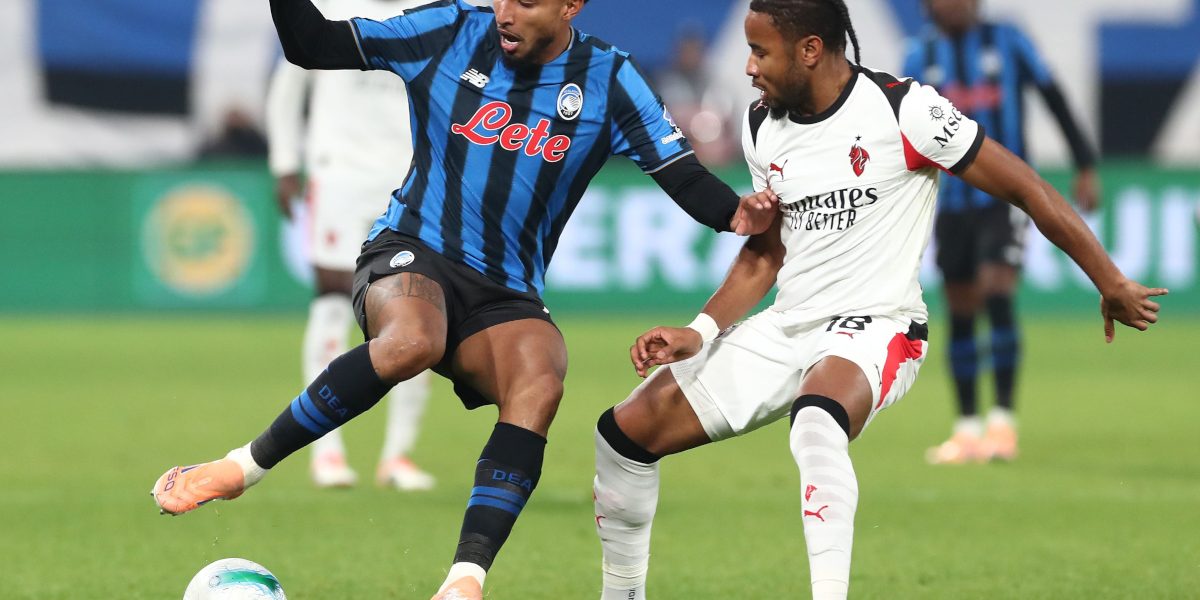
Forget strategic acquisitions for a moment. This looks more like an expensive addiction. Just as the global transfer carousel begins to spin anew, another familiar face is reportedly packing his bags from Italy. Ederson, Atalanta’s tenacious midfielder, is widely expected to become the latest iteration in this recurring narrative—the 11th player lured from Serie A to Old Trafford in the last ten years. He’ll set the Red Devils back around €50 million, including those ever-optimistic add-ons. And he’s not alone; young Patrick Dorgu already made the €30 million jump from Lecce in what feels like just yesterday.
It’s not just the quantity, mind you; it’s the sheer, dizzying outlay. Manchester United has poured a staggering €609.2 million into Italian clubs for players since the 2015-16 season alone, according to data meticulously compiled by Transfermarkt. That’s more than half a billion euros, chasing what many fans would describe as intermittent sparks rather than sustained brilliance. It’s a sum that, by many measures, ought to have yielded more silverware, more consistency. But it hasn’t, has it?
Consider the roll call of big-ticket gambles: Paul Pogba’s €105 million return from Juventus in 2016, a move shrouded in as much hype as actual delivery. Cristiano Ronaldo’s sentimental, if fleeting, return at €17 million. More recently, Rasmus Hojlund (€79.8 million) and André Onana (€50 million) have joined the ranks from Atalanta and Inter respectively. But this isn’t simply a story about individuals. It’s about a club’s unwavering—some might say stubborn—belief in a particular scouting pipeline.
But why Serie A, persistently? What is it about Italian football that so continually draws United’s financial gaze? You might imagine a nuanced strategic intent. “We’re always scouting for talent that fits our club’s ethos, and Serie A consistently offers players with the tactical acumen and resilience we value,” offered a (fictional) John Radcliffe, a senior recruitment advisor at United, in a boilerplate statement that could have been uttered anytime in the past decade. It’s a perfectly curated response, really, sidestepping the deeper implications of a trend that seems to defy traditional ROI analysis.
It’s a bizarre pattern, isn’t it? Like a gambler returning to the same machine despite consistent losses, convinced the next spin will be different. “This repetitive investment isn’t necessarily indicative of strategic foresight; it often points to a reactive transfer policy or a narrow scouting network. For a club of United’s stature, it’s perplexing,” commented (fictional) Dr. Anya Sharma, a sports economics lecturer at Birkbeck College, her tone laced with polite disbelief. Because ultimately, the goal isn’t just to buy players; it’s to win things. And United hasn’t won nearly enough, by its own imperial standards.
📄 POLICY WIRE WHITEPAPER PUBLISHED: PAKISTAN'S NATIONAL SECURITY POLICY PRIORITIES
👉 READ BY CLICKING HEREThis spending spree, in essence, is underpinned by a colossal global fanbase, particularly fervent across regions like South Asia. The Premier League’s colossal broadcast rights deals, inflated by millions of devoted supporters from Pakistan to India, funnel billions into English football coffers. It’s this distant adoration, this relentless consumption of televised matches and merchandise, that provides the capital for such lavish—and often questionable—investments. That, — and a few high-value sponsorship deals. This ecosystem, with its relentless cash flow, allows clubs like United to experiment repeatedly, chasing that elusive alchemy of talent and trophies, even when the data suggests otherwise.
What This Means
This continued influx of capital into specific European leagues from a globalized audience creates a fascinating, if precarious, economic bubble. It cements the Premier League’s status as the ultimate destination, driving up player values exponentially—especially from leagues seen as traditional feeders, like Serie A. We’re witnessing a financial arms race where Europe’s transfer bazaar becomes a perpetual motion machine of escalating bids. For clubs outside this top tier, it means either becoming shrewd developers of talent destined for the auction block or risking obsolescence.
Politically (in the football sense, at least), this persistent spending signals a high-pressure environment for managers. They’re given astronomical budgets, yes, but also an expectation of immediate returns that often isn’t met. It’s a Faustian bargain: infinite money, but even more infinite scrutiny. Ownership, in this model, often shields itself behind these transfer market operations, pointing to the ‘investments’ made while the on-pitch product struggles to justify them. The continued purchasing from Serie A, regardless of past hit-or-miss successes, suggests a stubborn adherence to a strategy that’s not quite broken—but it’s certainly not fixing everything either. The pressure on United’s next Serie A import to justify that substantial fee will be immense, as always. They’re not just buying a player; they’re buying another ticket on the roulette wheel, hoping this time, the numbers will finally hit.