

A ‘Death Sentence’ Deferred? Pancreatic Cancer Pill Offers Whispers of Hope
POLICY WIRE — Washington D.C., USA — It’s often whispered, quietly, dreadfully, like a malevolent specter haunting modern medicine: pancreatic cancer. A diagnosis frequently signals not just...

POLICY WIRE — Washington D.C., USA — It’s often whispered, quietly, dreadfully, like a malevolent specter haunting modern medicine: pancreatic cancer. A diagnosis frequently signals not just illness, but an endgame, brutal — and swift. Its five-year survival rate barely ticks past 10%—a chilling reality that’s left both patients and clinicians in a long-standing state of despair. But now, amidst that grim landscape, a peculiar murmur has begun to circulate. Not a cure, mind you, but an experimental pill—a molecular whisper promising, if not a grand escape, at least a momentary deferral.
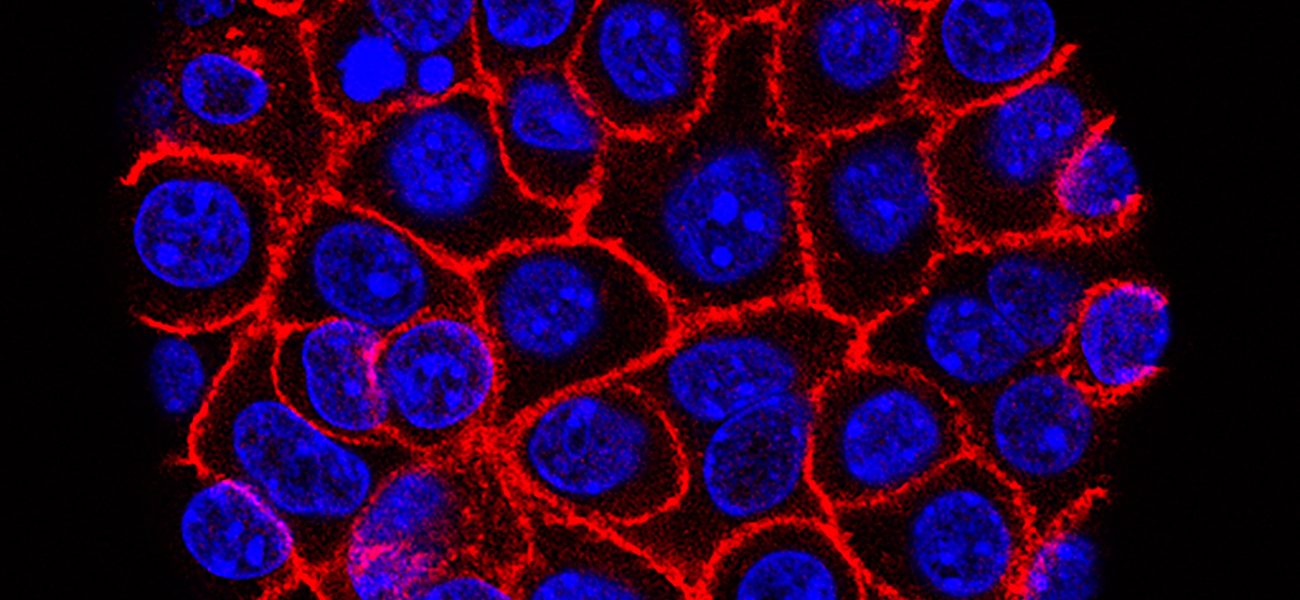
This isn’t some miracle elixir arriving in a shiny marketing package. It’s an early-stage pharmaceutical intervention, designed to target specific pathways within the notoriously aggressive tumor cells. Think of it as a small, specialized unit engaging a deeply entrenched enemy, not a full-scale invasion. Initial data, trickling out from clinical trials, suggests it can, for some, extend life. Extend it by months, perhaps, not years, but against a foe that usually offers weeks, that’s not nothing. It’s a cruel math, sure, but in this specific equation, any gain is seen as a win. And doctors, bless their tired souls, they’ll take it.
“We’ve long treated pancreatic cancer with what felt like blunt instruments, often with heartbreakingly little effect,” stated Dr. Lena Khan, Acting Director of the National Institutes of Health (NIH), in a recent, somewhat somber briefing. “This new compound, while still in its nascent stages, represents a finely-honed surgical tool. It’s not a silver bullet, and we must manage expectations, but it’s certainly a brighter glint on a very dark horizon.” She spoke with the practiced restraint of someone who’d seen too many hopes dashed.
The global impact, particularly in regions already grappling with strained healthcare systems, cannot be overstated. Consider Pakistan, for instance, a nation wrestling with the dual burden of infectious diseases and burgeoning non-communicable illnesses. There, access to cutting-edge diagnostics—let alone expensive, experimental treatments—remains a privilege, not a right. Patients in Lahore or Karachi, diagnosed too late, would watch such a pill, if it ever gains approval and broad distribution, from an impossible distance. It’s a stark reminder of health disparities that yawn across continents, often along economic fault lines. The World Health Organization (WHO) has highlighted the tragic reality: in low- and middle-income countries, diagnoses of cancers like this are often made at advanced stages, making interventions like this pill even more critical, yet even less attainable. It’s a policy dilemma wrapped in a humanitarian crisis.
And let’s be blunt: developing these compounds is prohibitively expensive. We’re talking billions sunk into research, trials, and regulatory mazes, which invariably translates into sky-high price tags upon market entry. Because, ultimately, somebody’s got to pay for it all. Mr. Marcus Thorne, CEO of BioInnovate Pharmaceuticals, one of the many firms vying for supremacy in this cutthroat field, put it plainly: “Our commitment to combating aggressive cancers is absolute. It requires sustained, significant investment—an investment that, frankly, our shareholders expect to see some return on.” His voice carried the distinct echo of market forces at play, alongside genuine (one assumes) scientific aspiration.
What This Means
This experimental pill, should it clear regulatory hurdles and enter wider practice, won’t simply transform individual lives; it’ll shake up the entire oncology ecosystem. Politically, it presents a fresh set of challenges: how do governments balance incentivizing pharmaceutical innovation with ensuring equitable access? Do national health systems subsidize it? Do poorer nations get preferential pricing, or will the global market simply widen the chasm between the ‘haves’ and ‘have-nots’ when it comes to life-saving interventions? Economically, we’re talking about a multi-billion-dollar market. Any major player here stands to redefine the landscape of cancer treatment funding. It could spur renewed investment into overlooked cancer research, but it could also divert resources from other equally pressing public health concerns, particularly in cash-strapped nations. But perhaps the most profound implication is the subtle shift in human psychology: the move from utter resignation to a cautious, yet tangible, thread of hope in the face of what has long been considered an inescapable verdict. That psychological impact, for millions, is perhaps the hardest to quantify, yet the most enduring. For other insights into global challenges, consider the geopolitical ramifications of emerging technologies. But it’s not just about cutting-edge pills or drone technology; it’s about access, infrastructure, and plain old human resilience.