


New Mexico Braces for Storms: A Microcosm of Global Climate Insecurity
POLICY WIRE — ALBUQUERQUE, N.M. — A shift in atmospheric currents, bringing what meteorologists delicately term [QUOTE_PLACEHOLDER] is gripping parts of New Mexico this week. But don’t let the...

POLICY WIRE — ALBUQUERQUE, N.M. — A shift in atmospheric currents, bringing what meteorologists delicately term [QUOTE_PLACEHOLDER] is gripping parts of New Mexico this week. But don’t let the unassuming phrase fool you; this isn’t just about wet roads. It’s a stark, visceral reminder of a deepening global conundrum: how we manage too little water, and then, suddenly, far too much. This arid state, often struggling with historic droughts and devastating wildfires sparked by dry lightning, now faces the flip side of extreme weather, mirroring an unstable planetary climate that knows no borders.
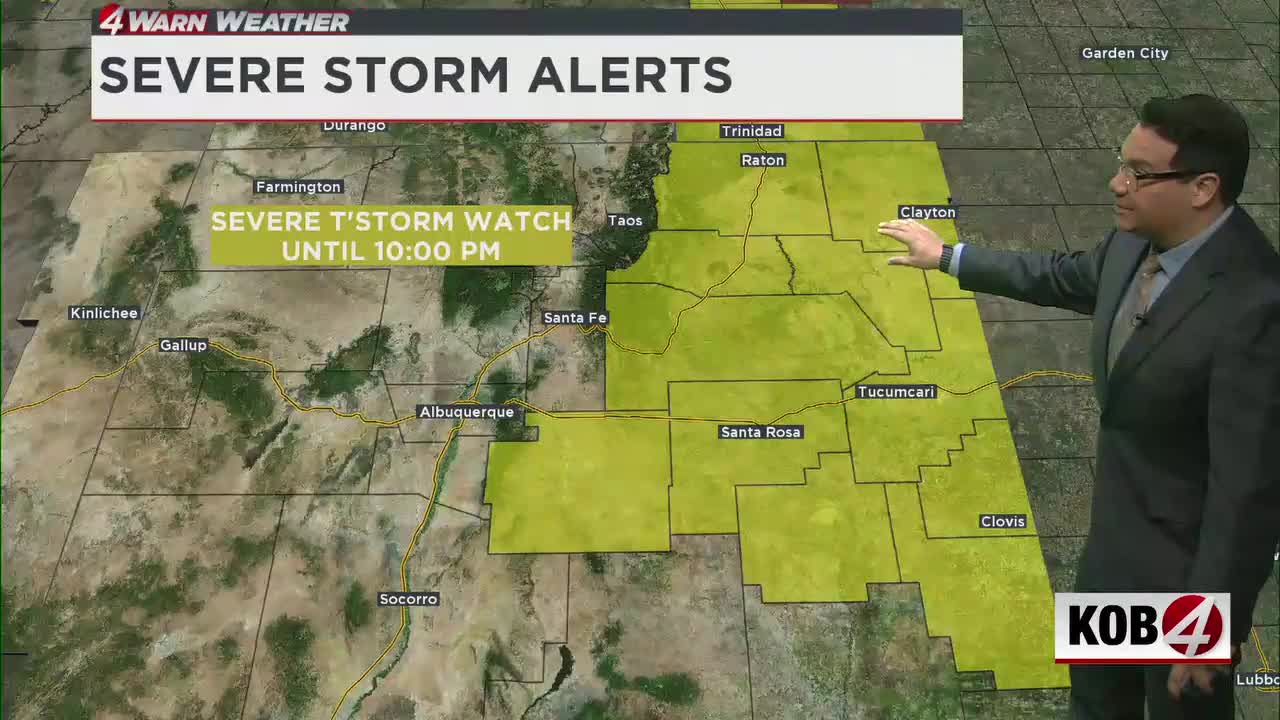
It’s Wednesday night, — and the sky’s turning, particularly over northeast and east-central New Mexico. Locals know this drill. The weather apparatus, typically obsessed with incremental forecasts, issues warnings that cut to the chase: [QUOTE_PLACEHOLDER] For folks in places like Raton, Clayton, Springer, or Las Vegas, this means pulling in the porch furniture and hoping the power doesn’t flicker out—not exactly headline news for Wall Street, perhaps, but certainly front-page material for those living the consequences.
The state’s northern, central, — and eastern reaches are under a cloud, literally. [QUOTE_PLACEHOLDER] The high ground, that ancient, beautiful spine of the Sangre de Cristo Mountains, the central highlands, the northeast plains—they’re all set to take the brunt. Even the Four Corners region, a geographically significant crossroads, and parts of the upper Rio Grande Valley are expected to get a drenching. But for once, it’s not just for show. [QUOTE_PLACEHOLDER] This subtle distinction is crucial; dry lightning, with its capacity to ignite forests already parched from prolonged drought, poses a silent, existential threat to communities and livelihoods. Heavy rain, however, brings its own brand of chaos: flash floods, mudslides, — and infrastructure strain.
And it gets more intense. [QUOTE_PLACEHOLDER] This influx isn’t some gentle spring shower. This is deep subtropical moisture, packing a punch. The measurable water vapor content in the air, what meteorologists call precipitable water values, are predicted to generally range between 0.80 and 1.25 inches. That might not sound like much, but over a vast area, it translates to serious volume—a significant event for a landscape not accustomed to such sudden deluges, particularly after persistent dry spells.
It’s a peculiar dance, this, between drought and flood, an increasingly common rhythm in regions grappling with climate instability. Just like the intermittent and often destructive monsoon patterns that plague regions across South Asia, leading to devastating floods in Pakistan one year and crippling droughts the next. They’ve seen climate change displace millions and cripple agricultural sectors, much like a scaled-up, more devastating version of what New Mexico navigates on a smaller, though no less impactful, scale. Indeed, a 2023 report by the UN found that global climate-related disasters had increased by 83% in the last decade compared to the one prior, with floods accounting for nearly half of those events.
Farmers in the Rio Grande Valley, ranchers near the Texas border, even city planners in Albuquerque or Santa Fe—they’re all keeping a nervous eye on the radar. Because when you’ve got scattered to numerous showers and thunderstorms expected across a huge swath of territory, from Farmington to Gallup, Grants to Cuba, Los Alamos, and Socorro, then add in the Gila region and the central mountain chain—well, you’ve got potential for trouble. The east of the central mountains might see more scattered storms, but they can still [QUOTE_PLACEHOLDER] It’s the sheer unpredictability of it all—the aggressive burstiness of nature—that keeps everyone on edge. Imagine navigating a federal policy apparatus that has to adapt to these wild swings year after year, resource after resource.
For Policy Wire, this isn’t just a local weather report. This is a dispatch from the front lines of climate volatility. It’s about how an unexpected downpour in the American Southwest reverberates through supply chains, affects agricultural yields, and demands new levels of state and federal coordination for disaster response. Because weather, especially when it turns severe, always becomes a policy issue.
What This Means
The impending severe weather across New Mexico, particularly the promised [QUOTE_PLACEHOLDER] that follows a period of dry lightning risk, serves as a poignant, localized illustration of the broader climate shifts vexing policymakers globally. Economically, this unpredictability imposes immense costs. Insurance markets seize up, agricultural planning becomes a high-stakes gamble, and state budgets strain under the constant need for emergency infrastructure repairs or disaster relief. A sustained drought year followed by an intense flooding season, as projected for parts of New Mexico, exemplifies a resource management paradox: too little water, then suddenly too much, demanding sophisticated water storage, runoff, and erosion control policies that are often expensive and politically divisive.
But the political ramifications stretch further. Consider how climate change-induced events escalate instability in vulnerable nations. Pakistan, for instance, a nation grappling with its own complex political dynamics, has been repeatedly battered by extreme weather. Massive flooding can displace millions, disrupt food security, and exacerbate existing social tensions, often leading to increased internal migration or, in extreme cases, contributing to regional conflicts. The New Mexico experience, therefore, acts as a micro-crisis model. How a relatively stable state handles such severe weather offers lessons—and warnings—for how larger, more geopolitically fragile states manage similar, often magnified, challenges. The difference lies in resilience capacity: federal backing, robust infrastructure, — and social safety nets. Nations less equipped often find climate events rapidly devolving into humanitarian — and political crises. Ultimately, how we govern our landscapes in the face of climate change, from Albuquerque to Islamabad, directly influences not just local economies but also global stability.