
Frenchwoman’s Decades-Long Captivity Unveiled in Pakistan’s Khyber Pass Region
POLICY WIRE — Islamabad, Pakistan — For twelve years, the sun rose and set over Bara, a town in Pakistan’s rugged Khyber Pakhtunkhwa province, near the raw edges of the Afghan border. Twelve...

POLICY WIRE — Islamabad, Pakistan — For twelve years, the sun rose and set over Bara, a town in Pakistan’s rugged Khyber Pakhtunkhwa province, near the raw edges of the Afghan border. Twelve years of a woman’s existence reportedly reduced to involuntary servitude within the walls of a mud-brick home. And then, finally, rescue.
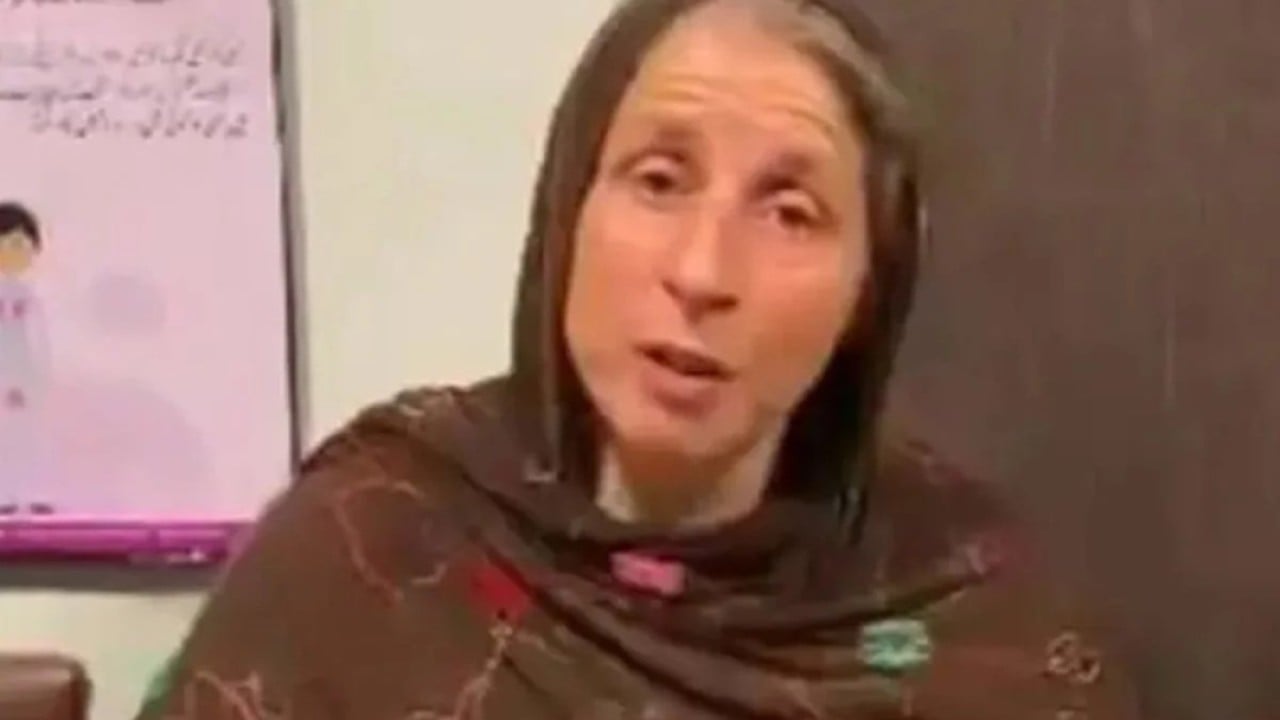
It wasn’t a geopolitical exposé or a sudden shift in diplomatic ties that brought this obscure location into the international spotlight. No, it was the chilling, deeply personal saga of Sylvie Yasmina, a 54-year-old French national, and her five children, recently extracted from what authorities describe as an extended captivity. [QUOTE_PLACEHOLDER]
Pakistan police said on Wednesday that they had rescued a French woman and her five children after she told authorities she had been held captive by her husband for more than a decade and subjected to years of domestic abuse in the country’s northwest, according to official statements. The precise dynamics of how a foreign national could remain isolated for such an astonishing period, effectively erased from any conventional registry, offer a stark, if grim, commentary on life in this particular corner of the world—a zone often characterized by its remoteness and sometimes its lawlessness. The narrative, as it begins to surface, sounds less like a typical marital dispute and more like a human rights violation perpetrated far from the scrutiny of the world, quietly sustained through sheer isolation.
District police chief Waqar Ahmad confirmed the operation. The woman, identified as 54-year-old Sylvie Yasmina, was rescued earlier this week from a mud-brick home in Bara, a town in Khyber Pakhtunkhwa province near the Afghan border, district police chief Waqar Ahmad said. But this isn’t just a story about geographical isolation. It’s also about systemic vulnerabilities that allow such atrocities to fester, shielded by cultural complexities and — one presumes — a deeply skewed power dynamic. The details coming out are scant but harrowing. Officials have described Yasmina as having been subjected to years of domestic abuse, a pervasive shadow that often accompanies and enables such extended confinement, especially for women in a patriarchal society.
The circumstances leading up to the rescue remain somewhat opaque. It’s unclear who finally alerted authorities or what specifically triggered the police intervention after so many years. Was it a neighbor’s whisper, a child’s plea, or merely the long, slow grinding of the wheels of bureaucracy finally aligning? Such cases, especially involving foreign nationals, don’t typically linger without some sort of institutional blind spot or active concealment. The investigation into Yasmina’s husband, now a person of intense interest for both Pakistani and French authorities, has barely begun. One can only imagine the sheer audacity required to maintain such a deception for so long.
This episode serves as a brutal reminder of the challenges women face globally, particularly within environments where legal protections are weak or difficult to enforce. According to a 2021 report by the World Health Organization, one in three women globally experience physical or sexual violence, mostly by an intimate partner. This staggering figure illustrates a global crisis, and while the specifics of Yasmina’s case are extreme, it’s connected to this broader, painful reality. But what does it truly mean when a government says it’s ‘rescued’ someone after a twelve-year disappearance?
What This Means
This isn’t just a localized domestic incident; it’s a stark geopolitical signal. For Pakistan, particularly its image in the West, the case is a public relations headache of considerable proportions. Here you’ve got a European citizen, seemingly forgotten, her existence reduced to a statistic within a remote village, allegedly by a local. It doesn’t exactly burnish Pakistan’s international standing or its claims to protect foreign residents. the fact that this transpired in Khyber Pakhtunkhwa, a province adjacent to tribal areas and historically complex regions, suggests a persistent lack of state oversight—or at least a perceived lack—in zones critical to both domestic stability and international relations, particularly with its Afghan neighbor.
The incident also highlights the systemic issues around women’s rights and personal security in parts of South Asia and the broader Muslim world. While the specific details are certainly an extreme outlier, they reflect deeper, underlying vulnerabilities that some women face in claiming their basic human dignities. Because, let’s be honest, an isolated mud-brick home, cut off from any regular external communication, becomes an opaque vault, perfect for concealing untold miseries. How many other stories like Sylvie’s, lacking international visibility, are currently unfolding behind closed doors across the vast, intricate geography of this region? That’s a chilling thought.
Paris, no doubt, will quietly pressure Islamabad for comprehensive details — and accountability. The diplomatic fallout, though unlikely to be a front-page sensation given global complexities, will simmer. It raises questions about consular support, the porousness of regional borders, and—most importantly—the fragile line between personal privacy and active human rights violations that, tragically, sometimes require over a decade to expose. A long time, it seems, for justice to start its work. What then, about recovery?