


Celebrity Justice: Country Star’s Hotel Havoc Gets Costly Clean Slate
POLICY WIRE — ALBUQUERQUE, N.M. — It often feels like the rich and famous play by a different set of rules. You’d think smashing up a hotel room, allegedly spitting at security, and causing...

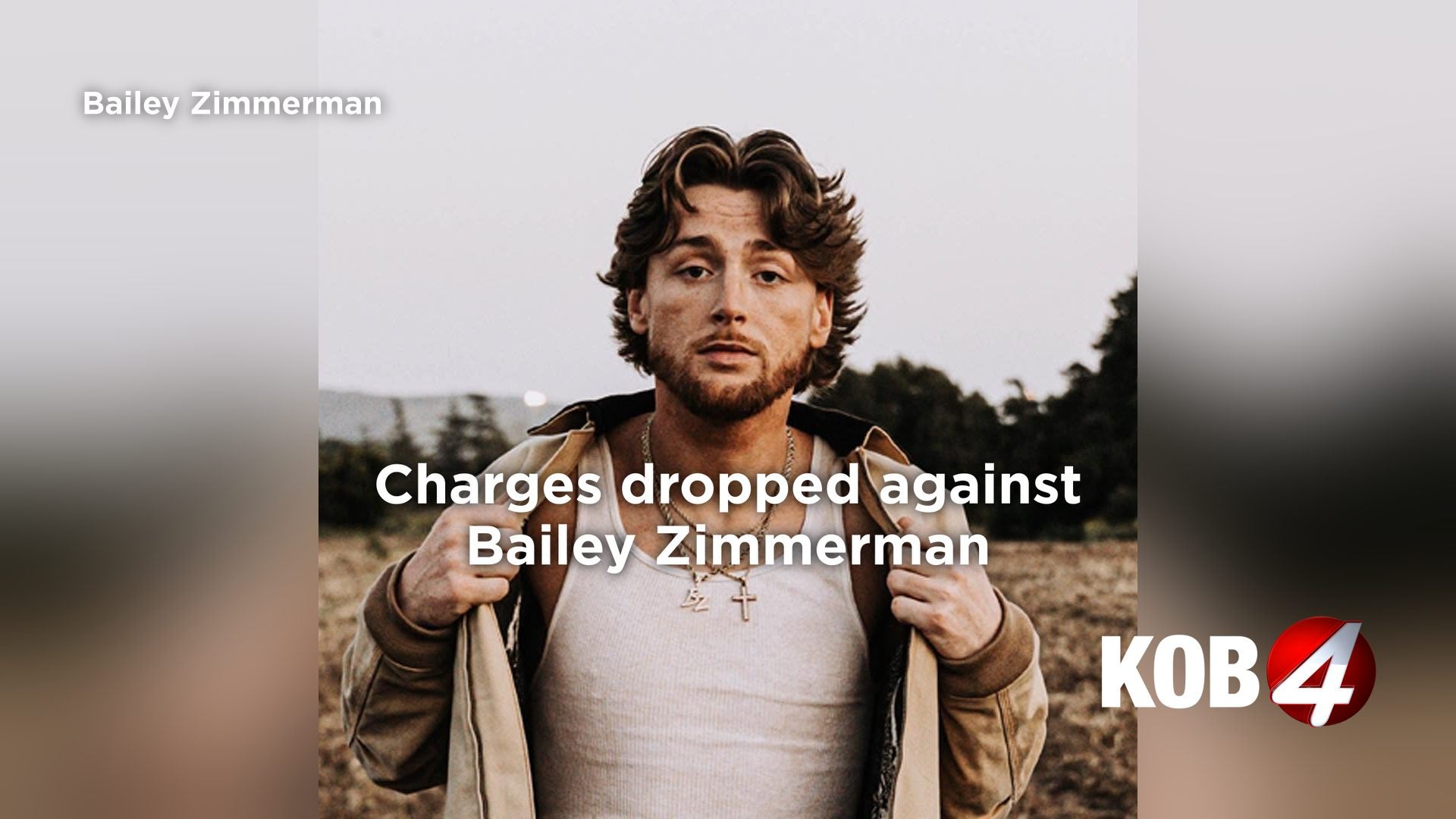
POLICY WIRE — ALBUQUERQUE, N.M. — It often feels like the rich and famous play by a different set of rules. You’d think smashing up a hotel room, allegedly spitting at security, and causing over sixteen thousand dollars in property damage would land anyone else in a whole heap of trouble. But for country music’s rising star, Bailey Zimmerman, it appears a hefty check was all it took to make a criminal case simply… vanish. And like a forgotten chord progression, the legal music has abruptly stopped.
Prosecutors in Bernalillo County, New Mexico, recently confirmed they’d shelved all charges against Zimmerman. The reason? The 24-year-old singer, known for his raw-edged ballads and gravelly voice, made full restitution for the destruction he purportedly wrought at the upscale Sandia Resort & Casino. Because, you know, money often smooths over the roughest edges of public transgression—doesn’t it?
Court documents, first unearthed by KOB 4, painted a rather vivid, un-glamorous picture of the aftermath of Zimmerman’s cancelled May 27 performance. Investigators accuse him of an all-out, rockstar-worthy rampage. Not just a misplaced guitar, mind you. We’re talking $16,000 worth of chaos, an astronomical figure for a single hotel suite. He reportedly chucked instruments during soundcheck, tripped over himself (classy), — and shoved band members. Oh, and then there’s the delightful allegation of him spitting toward a security officer—a gesture universally understood to mean ‘I have nothing but respect for your profession.’
It’s a peculiar brand of accountability, isn’t it? A few days later, Zimmerman, seemingly sobered by the legal spotlight, issued an apology. He certainly didn’t mince words, though it felt less like heartfelt contrition — and more like damage control. “To my fans who bought tickets and showed up expecting a performance, I am so sorry, you deserved better from me,” he stated, presumably from a very tidy, undamaged room. It’s the sort of boilerplate regret that often accompanies a publicist’s desperate sigh.
Bernalillo County District Attorney, Raúl Garcia, weighed in on the decision. “Look, our mandate isn’t about prosecuting fame; it’s about justice. When restitution is made, and all parties are satisfied, it’s not always in the public interest—or economically sensible—to pursue charges that could languish for years,” Garcia explained, speaking with the measured tone of someone navigating a PR tightrope. “It’s about victims receiving compensation — and holding offenders accountable, which has happened here.”
But the hotel? They’re likely feeling the sting, beyond just the repair costs. Maria Rodriguez, a spokesperson for Sandia Resort & Casino, expressed a mixture of relief — and frustration. “This isn’t just about damaged property; it’s about disruption to our guests and staff,” Rodriguez commented, her voice edged with a touch of weariness. “While we’re relieved to see the matter settled, we certainly hope this serves as a wake-up call for how some touring artists treat the hospitality industry. It’s a profession, not a playground.” And she’s right, it shouldn’t take a legal threat to behave like a grown-up.
The incident reminds you that, in the West at least, celebrity status frequently comes with an invisible cloak of leniency. Picture this kind of behavior, not in Albuquerque, but in, say, Karachi. An American pop sensation trashing a five-star hotel, spitting at local security. You can bet your bottom dollar the fallout wouldn’t be settled with a check — and a mumbled apology. Instead, it’d likely spark a diplomatic headache, with accusations of cultural disrespect and a much more public, protracted saga. Because, abroad, perceived Western arrogance—especially when paired with destructive behavior—hits differently; it can be seen as an affront to national pride, not just a matter for civil claims.
The speed with which this whole kerfuffle evaporated leaves a sour taste for many. It certainly feels like a fast track that ordinary folks couldn’t dream of. They’d probably be facing stiffer penalties, a harder battle, — and maybe even a stint in the local pokey.
What This Means
The swift resolution of charges against Bailey Zimmerman isn’t just a quirky anecdote from the annals of celebrity bad behavior. It’s a stark, illuminating glimpse into a two-tiered justice system that frequently privileges wealth and influence over the spirit of equal application of law. Economically, for the hotel, it’s a win; the immediate financial losses are covered, and they can avoid prolonged litigation that could damage their brand by association with a celebrity scandal. But what’s the broader cost? The tacit message sent, however unintentionally, is that criminal charges for significant damage can be sidestepped with enough money. It’s a problematic precedent.
Politically, it hardly causes a ripple in New Mexico; nobody’s losing elections over a country singer’s hotel bill. However, it does subtly reinforce public cynicism about justice, particularly in an era where stories of disproportionate justice, often against marginalized communities, dominate headlines. People notice these disparities. This isn’t a fight for freedom, or a political prisoner, but it does, on a very micro level, reflect systemic imbalances. For artists, it creates an expectation of manageability for their actions, even when those actions are clearly detrimental and disruptive. And that, frankly, is a hell of a business model for bad boys with big bank accounts.